Pentagon Report Warns US Military Vulnerable to Chinese Rare Earth Export Curbs
A new Pentagon report reveals alarming US military dependency on Chinese rare earth metals, threatening key assets like F-35 jets and nuclear submarines with potential shutdowns.
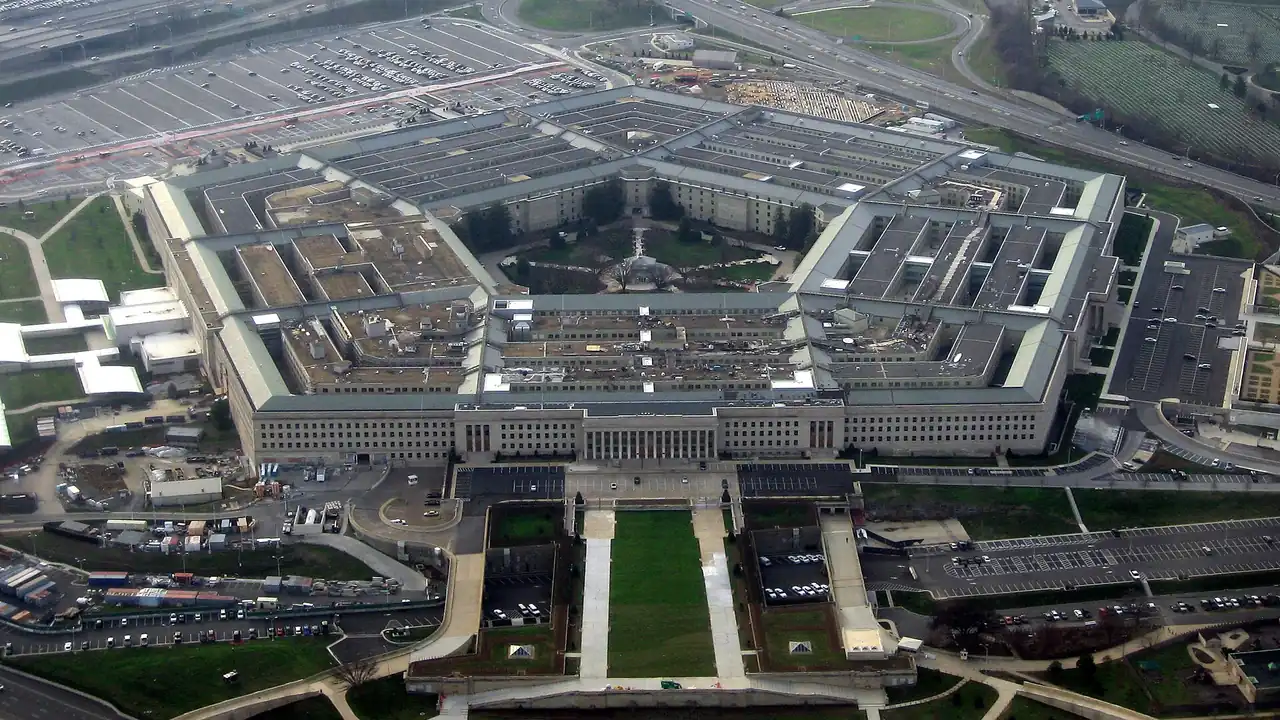
The Pentagon is increasingly concerned over a critical dependency on Chinese rare earth metals and critical minerals, which could paralyze key US military assets before any conflict even begins. A new report by the Special Competitive Studies Project (SCSP), founded by former Google CEO Eric Schmidt, reveals that core weapon systems—including Virginia-class nuclear attack submarines, F-35 fighter jets, and B-2 stealth bombers—face potential grounding due to severe Chinese export restrictions.
Using artificial intelligence tools developed by Exiger to analyze nine million components and 3,000 military systems, researchers identified over 28,000 unique parts across 1,400 weapon platforms that rely on four core metals dominated by Beijing. The Virginia-class submarine, the backbone of the US Navy, requires more than 300 critical components containing these materials, including 190 parts utilizing germanium, which is vital for optics, night-vision equipment, and electro-optical sensors. Data shows that China currently controls approximately 68 percent of the world's refined germanium and 99 percent of the global supply of gallium, a soft metal used in advanced radar systems.
Production Delays and Strategic Vulnerabilities
This heavy reliance has already triggered major delays and supply chain bottlenecks across key defense projects. Only 23 Virginia-class submarines are currently in service out of the 48 originally planned, with the program suffering scheduling delays ranging from 36 to 44 months. Furthermore, recent war games indicate that the United States would struggle to replace lost ships, aircraft, and missiles during a conflict due to severe domestic shortages in casting and metal forging capacities.
The strategic air arm faces equally alarming vulnerabilities. According to the report, the B-2 stealth bomber requires 782 parts containing these rare metals, while F/A-18 Hornet fighter jets lead in steel casting dependency with 3,800 unique components, followed by KC-135 refuelers. Even legacy B-52 bombers undergoing modernization face massive delivery backlogs exceeding 400 days for specialized components due to stringent military certification requirements.
Mitigation Efforts and Domestic Challenges
In response to these risks, the White House launched Project Vault, a 12 billion dollar initiative aimed at creating a strategic stockpile of rare earth metals, alongside executive orders promoting domestic production. The Pentagon is also investing tens of millions of dollars to expand a refining facility in Utah and develop new mines in Wyoming. However, US experts warn that these efforts may be too little, too late, noting that opening a new mine in the United States takes an average of 29 years from conception to production.