How Mosquitoes Survive Winter and Ways to Prevent Their Spring Return
As autumn brings cooler temperatures, mosquitoes disappear but do not die off, employing diapause or resilient eggs to survive winter. Experts advise clearing stagnant water early to prevent a spring resurgence.
As autumn arrives and temperatures drop, mosquitoes seemingly vanish from homes and gardens, yet this disappearance does not mean they have died. Mosquitoes have developed sophisticated survival mechanisms to cope with winter and resume activity when warm weather returns.
According to a report by the scientific portal Futura Sciences, survival strategies vary depending on the mosquito species. While some adult mosquitoes find sheltered hiding places to endure the winter, other species rely on exceptionally resilient eggs capable of withstanding harsh weather conditions.
Where Mosquitoes Hide in Winter
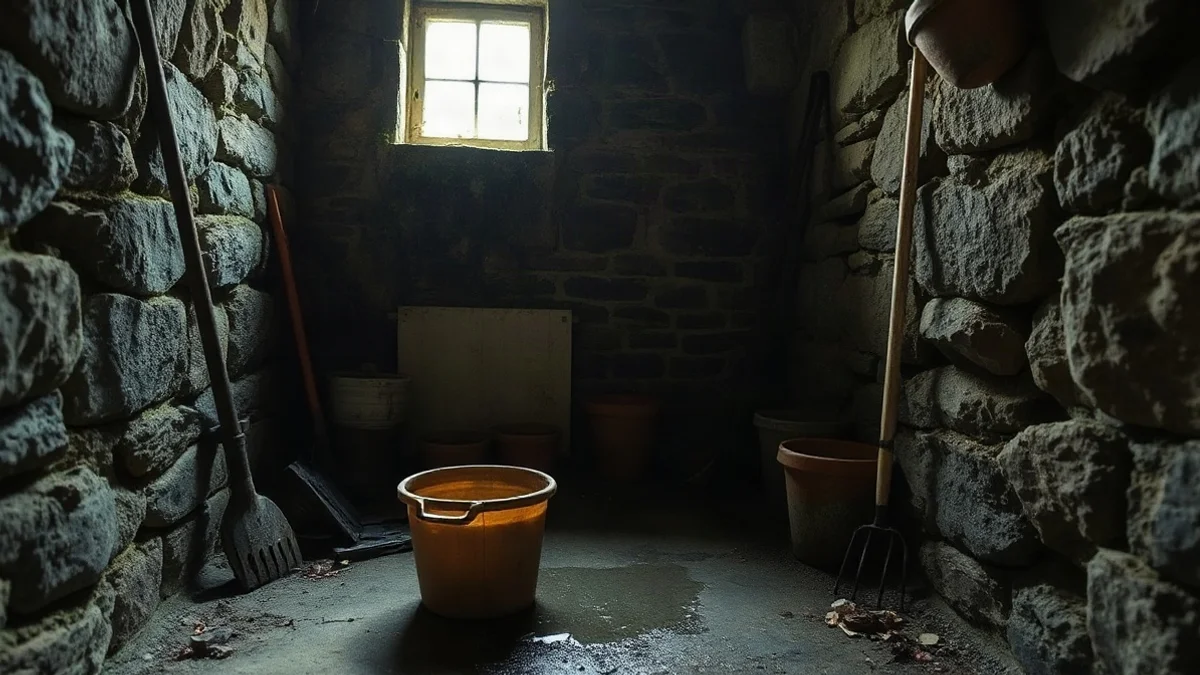
Fertilized females of certain common mosquito species survive the winter months by entering a state of dormancy known as diapause, during which their metabolism significantly slows down. This process allows them to minimize energy consumption and survive for months without feeding. Ahead of winter, females seek dark, humid hiding places protected from extreme cold, such as cellars, garages, tree crevices, and drainage systems, returning to activity and reproduction once spring temperatures rise.
In contrast, the Asian tiger mosquito employs a different survival strategy. In cold regions, adult mosquitoes typically do not survive the season, but the eggs they lay can remain dormant for extended periods. According to the report, these eggs are resistant to desiccation and cold, enduring temperatures as low as minus ten degrees Celsius. When weather warms and the eggs are exposed to water, they hatch to begin a new reproductive cycle.
Preventing a Spring Resurgence
Despite mosquitoes' winter survival skills, simple preventive measures can curb their reproduction as spring approaches. Flowerpots, planter saucers, clogged gutters, and containers left in yards can become breeding grounds when stagnant water accumulates. Eggs of certain species can persist on container walls even during dry spells, developing once refilled with water.
The French Agency for Food, Environmental and Occupational Health & Safety (ANSES) recommends preventive actions before spring begins, including emptying water containers, cleaning gutters, and storing unused receptacles in rain-protected areas. These steps reduce potential breeding sites, helping to mitigate the mosquito population during the warm season.