Beyond Big Ben: A Photographer's Guide to Hidden London Architecture
An avid London traveler has curated a unique architectural photography route across the British capital, highlighting 15 stunning, free-to-enter locations that showcase the city beyond its famous tourist landmarks.
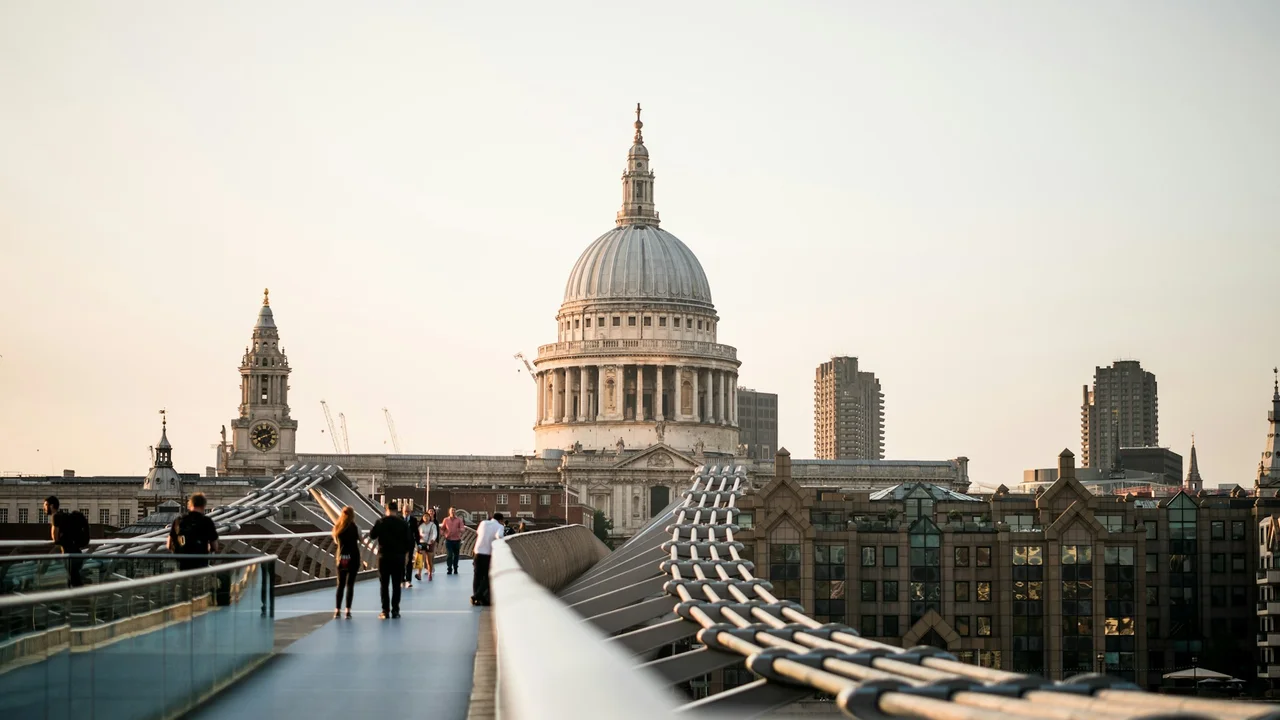
London is universally celebrated for its iconic landmarks, from the majestic Big Ben and the towering London Eye to the bustling crowds of Oxford Street laden with shopping bags. However, beneath the tourist veneer lies a vast metropolis spanning nearly 1,600 square kilometers, offering countless hidden architectural gems for those willing to look beyond the obvious.
A Curated Photographic Journey
Dov Greenblatt, an avid London enthusiast, dedicated his 79th visit to the British capital to uncovering these lesser-known urban angles. Following four years of meticulous research, studying street photography tutorials, and compiling a definitive list of locations, Greenblatt embarked on a two-day photographic expedition across the city. The result is a carefully planned walking route that bypasses crowded tourist traps in favor of geometric staircases, hidden courtyards, and striking perspectives—all completely free to enter.
Architectural Highlights and Hidden Angles
Among the top spots on the itinerary is the Heal's department store on Tottenham Court Road, where a striking spiral staircase offers a mesmerizing geometric composition when viewed from below. Similarly, the historic Peter Jones store on King's Road and the luxury emporium Fortnum & Mason on Piccadilly both feature sweeping staircases that transform functional architecture into abstract art.
For those drawn to urban landscapes, framing the BT Tower through surrounding park greenery or capturing the iconic Swiss Re building—widely known as The Gherkin—from the rooftop of The Garden at 120 provides a fresh take on the city's skyline. Other notable stops include the tranquil Fitzrovia Chapel, the brutalist aesthetics of the Barbican Estate, and the striking concrete staircases inside the Blavatnik Building at Tate Modern.
Ultimately, discovering London's hidden photographic potential requires little more than curiosity, patience, and a willingness to deviate from the standard tourist path. As Greenblatt's journey demonstrates, looking up at the city often reveals perspectives that remain entirely unseen in conventional travel albums.