Negev Election Bribery Probe Nears Crucial Turn as Police Analyze Seized Data
Negev residents detained on election bribery suspicions face potential release as Lahav 433 investigators analyze seized digital data amid ongoing scrutiny over political motives and police procedures.
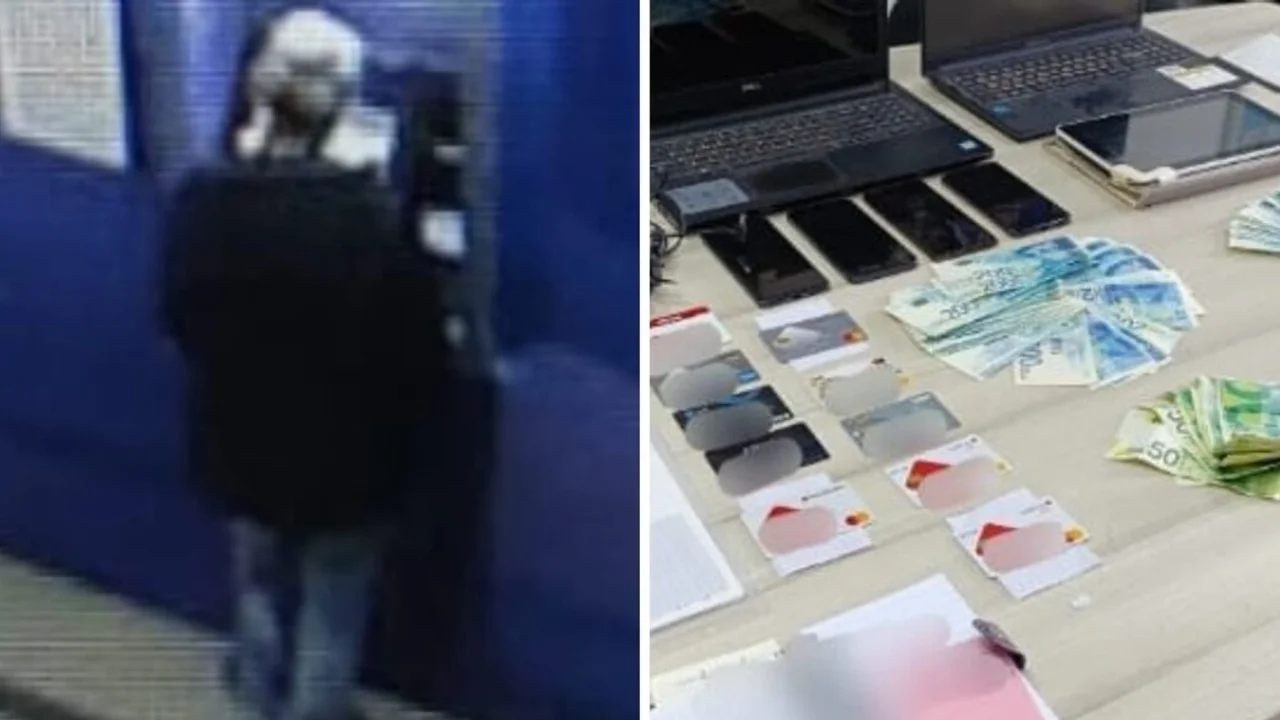
The detention of three Negev residents suspected of election bribery is set to conclude on Sunday morning, following their arrest last Wednesday. Investigators from the National Unit for Investigations of Serious Crimes, known as Yahah within Lahav 433, are analyzing data extracted from cell phones and computers seized during the operation. Sources indicate that unless dramatic evidence emerges to reshape the investigation, the suspects will be released.
The three individuals—two from Segev Shalom and one from Rahat—were initially detained by Southern District police at 5:00 AM on election day. Due to the high sensitivity of the case, Inspector General Danny Levi transferred the probe to Lahav 433. Police previously arrested four other suspects on Thursday, including three school administrators and teachers from Negev localities, who were released to house arrest hours later.
According to an associate of the three primary suspects, envelopes containing 12,000 shekels were recovered during the searches. The suspects maintained that the funds belonged to a non-profit organization providing assistance to economically distressed families, asserting they have no affiliation with political parties in the Arab sector. Meanwhile, representatives for two of the suspects argue their clients fell victim to political interests seeking to tarnish the Arab community.
Police acknowledged in court that searches at the suspects' homes were conducted without a warrant on election day. Prime Minister Benjamin Netanyahu and the Likud party leveraged the initial arrests to claim an attempt to manipulate the vote, a narrative that escalated following subsequent reports regarding alleged foreign influence. However, election officials emphasized that the current investigation does not involve voter fraud or compromised ballot integrity.