Shawarma is a delight, but there is one better dish: we ate at Asaf Granit's new place
Granit and the Machneyuda group's "De Pita" honors shawarma with a respectable dish, but the meatballs in grape leaves are not to be missed. It is worth coming to Jerusalem just for them.

As is their custom, last month Asaf Granit and the team from Machneyuda made headlines again by announcing the opening of a Jerusalem shawarma shop. For Israel's foodies, this was exciting news that immediately sparked a wave of curiosity and rumors. We went straight to check out "De Pita," a place that seeks to do for the shawarma skewer what they have already done for market cuisine, skewers, and the entire Jerusalem culinary scene.
The shop opened in the space that once housed "HaDekel 3," an intimate chef restaurant that had been closed for some time. While some might view the transition from an elite restaurant to a popular shawarma joint as a departure from high cuisine, I see it as an incredibly important connection to current reality. In a city experiencing significant changes, fewer tourists, and a growing demand for fast, accessible, and comforting food, this is an accurate reading of the field.
Quality Without Compromise
To ensure quality, the esteemed Jerusalem chef Kamel Al-Shalmon joined the project. Having previously operated a successful high-end shawarma shop in Abu Ghosh and co-founded the nearby "Steakiya," Kamel now stands on the line, slicing the meat from the veal roll with his own hands. By noon, the supply is exhausted.
The skewer, weighing about 40 kilograms, is composed of a mix of entrecote, ribs, fat tail, and Denver cut. It starts spinning in the early morning, and by the 11:30 opening, a long line of curious diners is already trailing outside. Reports confirm that the 100–150 pitas provided by this skewer are gone by two or three in the afternoon.
A Culinary Surprise
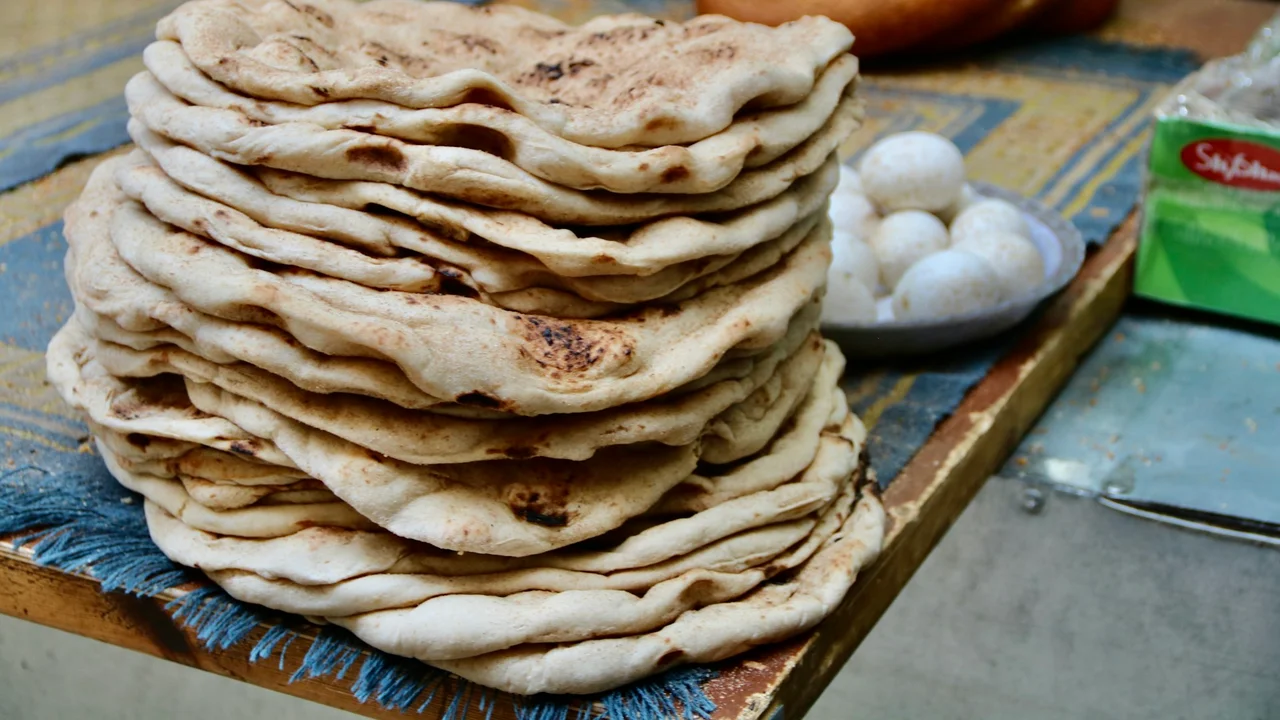
The shawarma pita (58 NIS) is a real delight. The seasoning is delicate rather than aggressive, and the meat is high-quality, juicy, and intense. The construction of the pita is calculated so that every component is present in almost every bite.
However, the real surprise of the menu comes from another dish: pita with beef meatballs wrapped in grape leaves (62 NIS). This is an exciting homage to a legendary dish from the alleys of the Old City, once sold by a man named Abu Jihad. The Machneyuda team has created a brilliant dish: four juicy, delicate meatballs wrapped in sour grape leaves, slow-cooked all night, and tucked into a pita loaded to the brim. The acidity of the grape leaf balances the richness of the meat and tahini, creating an elegant bite that has no equal. If the shawarma justifies the hype, the meatballs in grape leaves justify a special trip to Jerusalem.
In summary, "De Pita" is further proof of the Machneyuda group's ability to reinvent itself. They have established a popular institution that honors Jerusalem's street food culture. The real test will come over time, as they prove that their quality, precision, and pace can be maintained once the initial launch excitement settles into a daily routine.