Are Plant-Based Meat Substitutes Actually Healthier Than Real Meat?
Plant-based meat substitutes offer lower saturated fat and added fiber, but high sodium and ultra-processing raise questions about long-term health impacts.
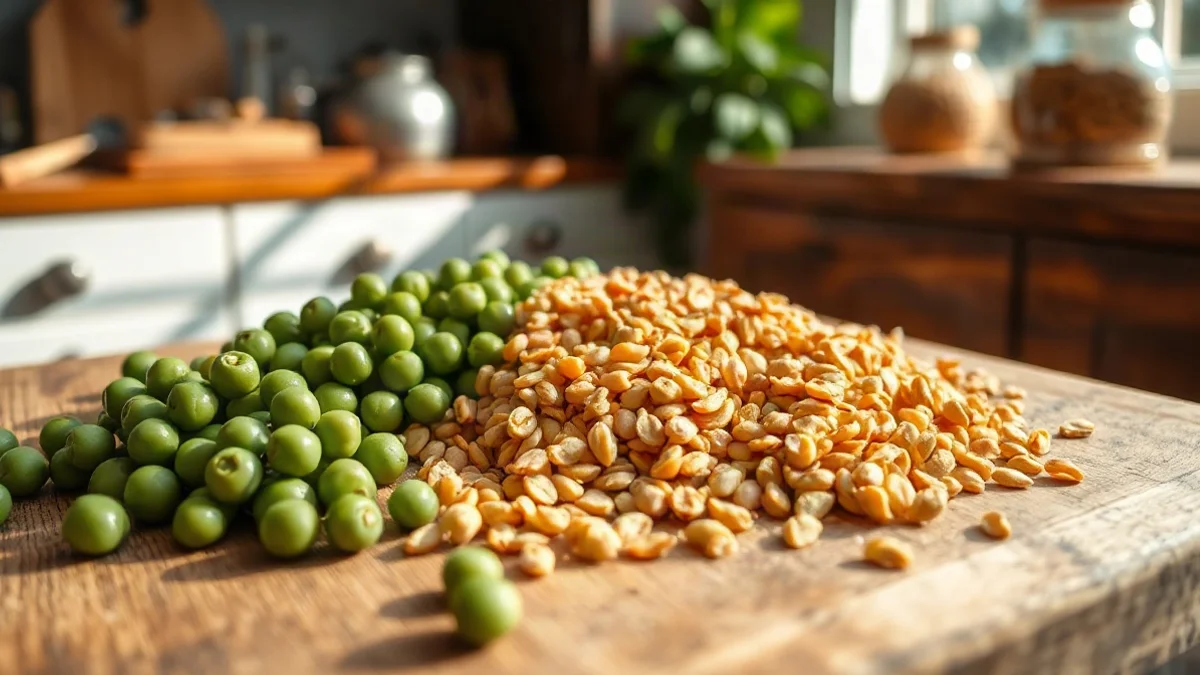
In recent years, plant-based meat substitutes have exploded onto the global food scene. Burgers, sausages, and nuggets made from soy, peas, and other botanical ingredients promise the flavor and texture of meat without animal products.
Yet behind the healthy halo lies a persistent question for researchers: are these alternatives actually healthier than real meat, or are they ultra-processed foods whose long-term health effects remain murky?
A recent New York Times review, drawing on scientific studies and nutritional experts, paints a complex picture. On one hand, plant substitutes generally contain less saturated fat, provide similar protein levels, and often add dietary fiber. On the other hand, they can pack high sodium levels, and current research falls short on how long-term consumption impacts health.
Two studies published in 2024 highlight significant nutritional variations. Generally, plant-based items feature less saturated fat and comparable protein, but profiles vary wildly across brands. For instance, a standard 113-gram beef patty with 85% lean meat has about 6.5 grams of saturated fat. An Impossible Foods burger contains six grams, while a Beyond Meat burger has just two. However, Gardein's veggie burger hits nine grams—nearly 40% higher than the beef patty.
Protein levels remain closely matched. The beef patty boasts 21 grams, while the three plant alternatives range between 19 and 21 grams. A key advantage for plant options is dietary fiber. The Impossible burger contains five grams of fiber, Beyond Meat two grams, and Gardein just one.
Fiber consumption links directly to a reduced risk of heart disease, type 2 diabetes, and colorectal cancer. Even so, fiber presence does not guarantee an all-around healthy product.
According to Dr. Dariush Mozaffarian, a cardiologist and professor at Tufts University, a major drawback of meat substitutes is high sodium content compared to fresh, unprocessed meat. Sodium is added to mimic real meat taste, but excessive intake raises blood pressure and cardiovascular risks.
Beyond Meat counters that traditional meat often gets heavily salted before cooking. The company notes its recipes have evolved to lower sodium and replace coconut oil with avocado oil, cutting saturated fat.
Dr. Frank Hu, a nutrition and epidemiology professor at the Harvard T.H. Chan School of Public Health, suggests plant substitutes generally have a superior nutritional profile to red meat. Still, he emphasizes the field changes rapidly and requires deeper study.
Weighing the Clinical Evidence
A pivotal question is whether swapping real meat for plant alternatives genuinely improves health markers. A 2024 Singapore study tracked 82 participants split into two groups over two months. Half consumed about 2.5 daily servings of plant substitutes, while the rest ate regular meat.
Results showed no clear health advantage for the plant group during the short trial. Conversely, a 2020 Stanford University study showed more encouraging results. Thirty-six healthy adults ate 2.5 daily servings of real meat for two months, followed by two months of Beyond Meat products.
Participants showed lower cholesterol levels and modest weight loss after the plant-based phase. However, that study carried a caveat: it was funded by Beyond Meat.
Dr. Christopher Gardner, the Stanford professor who led the study, acknowledged industry funding can breed skepticism. Yet he implemented safeguards, including independent statistical analysis and keeping results sealed until publication.
Dr. Hu noted differences between the studies likely stem from participant demographics, product variations, or methodologies. He called the findings encouraging but urged larger, longer, independently funded trials to confirm long-term benefits.
A primary critique of meat substitutes is their ultra-processed status. These industrial creations undergo heavy processing and feature additives for texture and shelf life. Numerous studies link high ultra-processed food intake to heart disease, diabetes, and other ailments.
However, Samuel Dicken, a University College London researcher specializing in ultra-processed foods, argues not all items in the category carry equal risk. Plant-based meat substitutes do not top his list of concerns, ranking well below sugary drinks and processed meats.
Whole Foods Remain the Gold Standard
Experts agree plant substitutes offer a useful stepping stone for people wanting to cut meat without sacrificing familiar tastes. They may offer modest health and clear environmental benefits.
Ultimately, nutritionists stress that swapping red meat for minimally processed whole plant proteins—like beans, lentils, peas, tofu, and tempeh—remains the superior nutritional choice. Studies link legumes and whole grains to lower risks of heart disease and diabetes, while carrying a much lower price tag.
Poultry, fish, and whole ingredients like portobello mushrooms also serve as stellar alternatives. As Dr. Gardner bluntly concludes: Beans, peas, and lentils are undoubtedly preferable to a Beyond Burger.