Kibbutz Growth Conference Highlights Industrial Output and Expansion
Publisher Alona Bar On opened the Kibbutz Growth Conference in Shefayim, highlighting demographic expansion, industrial milestones, and a surge in rural startups. Data shows kibbutzim generate 10% of industrial sales despite comprising 2.5% of the population.
Alona Bar On, publisher of local media, opened the annual Kibbutz Growth Conference at Kibbutz Shefayim on Sunday, highlighting the demographic expansion, industrial output, and economic transformation of the kibbutz movement. The event was held in partnership with Israel Discount Bank and the Kibbutz Movement.
Addressing the attendees, Bar On emphasized the movement's evolving landscape, noting that five new kibbutzim are set to be established for the first time in 40 years, with one project—Shalehavit in Tel Arad—already under construction. According to the data presented, approximately 76% of kibbutzim have transitioned to the renewed kibbutz model, while only 12% retain the traditional collective framework. Furthermore, the religious kibbutz sector recently adopted a shared home model after 90 years of separate existence.
Demographic and Industrial Impact
Statistical figures shared during the conference indicate a significant population surge, with the resident count rising from 115,000 to 205,000 between 2020 and 2023. Roughly 70% of this population resides in the northern and southern regions of the country. Although kibbutz residents account for just 2.5% of the national population, they generate 10% of Israel's industrial sales and account for approximately 60% of domestic milk production.
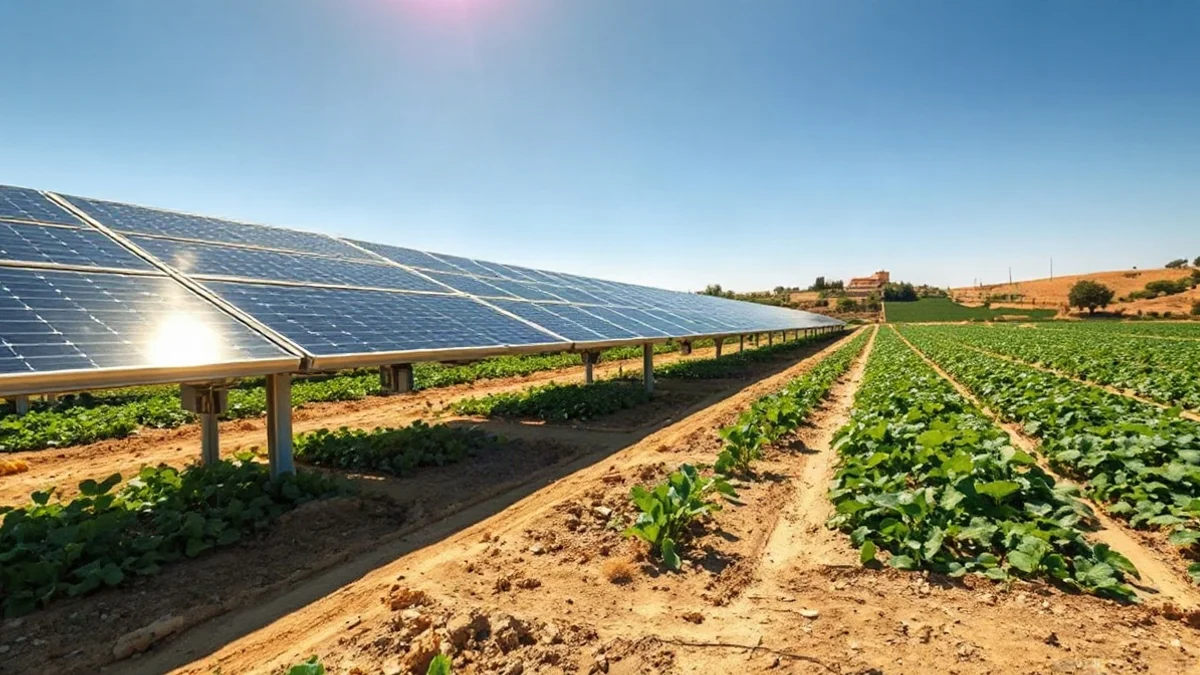
Economic momentum has also been propelled by technological entrepreneurship and green energy initiatives. In 2022, 148 new startups were established across various kibbutzim, followed by 77 startups in 2023. Additionally, 52% of kibbutzim signed agrivoltaic agreements in 2025, combining agriculture with solar power generation.
Intergenerational Wealth Transfer
Bar On touched upon the ongoing global shift regarding intergenerational wealth transfer, noting that the phenomenon is manifesting intensely within kibbutz communities. This transition encompasses real estate, financial capital, core values, and administrative models.
Concluding her address, Bar On acknowledged the severe hardships faced by southern communities and the ongoing distress confronting the northern region, while expressing optimism for the continued prosperity and unity of the kibbutz movement.