Haifa Ranks 187th Globally in New Happiness Index as Sole Israeli City
Haifa ranked 187th in a new global happiness index by a British institute, becoming the sole Israeli city on the list. Copenhagen claimed the top spot among 251 evaluated cities.
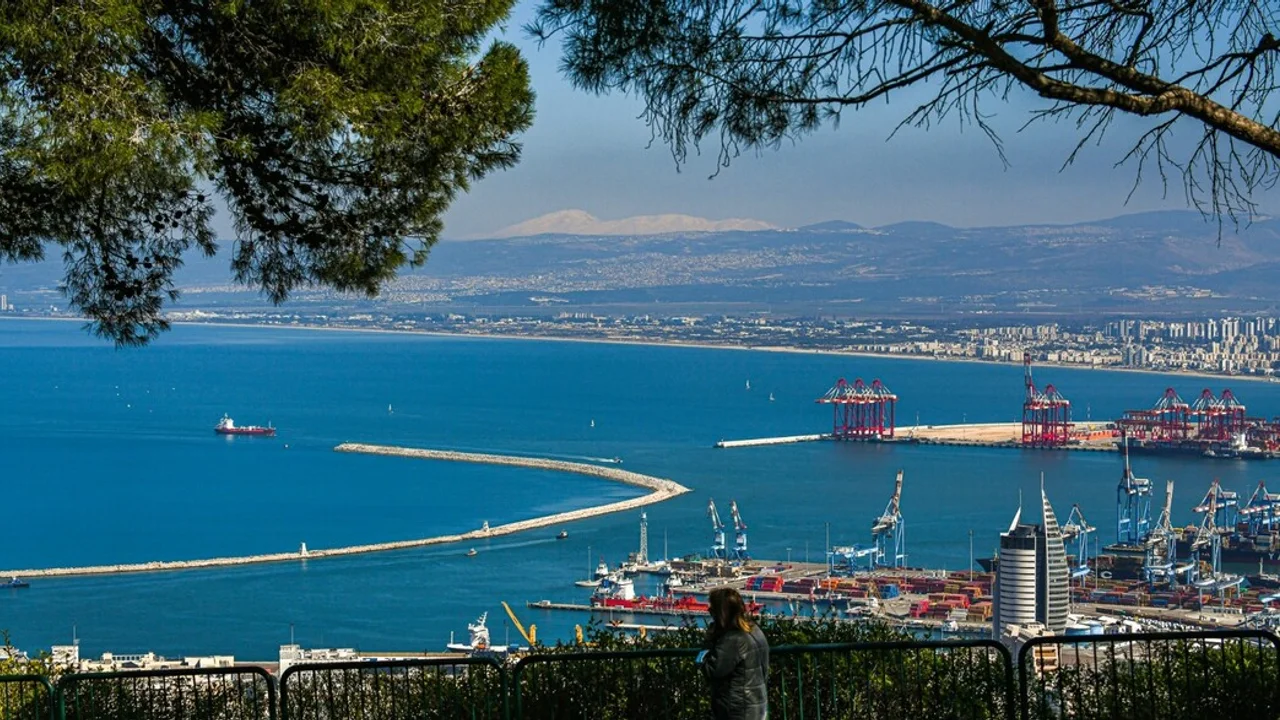
Haifa has been ranked 187th in the global happiness index published by a British research institute, standing as the sole Israeli representative among 251 evaluated cities worldwide. The list, compiled by researchers at the Institute for Quality of Life and presented at the British Parliament during a public launch event, incorporates verified data across approximately 64 distinct parameters.
Methodology and Global Rankings
The comprehensive study evaluates cities based on measurable criteria rather than subjective local surveys, ranging from life expectancy at birth and the number of psychiatrists to GDP per capita, crime rates, and environmental investments. Out of an initial pool of 3,400 global cities, researchers narrowed the selection to 1,000 for in-depth analysis before finalizing the 251 cities with sufficiently reliable and comparable data.
Copenhagen secured the top spot globally, followed by Helsinki, Geneva, Uppsala, Tokyo, Trondheim, Bern, Malmo, Munich, and Aarhus rounding out the top ten. Other notable international placements include London at 193rd, New York at 207th, and Guadalajara at the bottom of the active list in 250th place. Kyiv was included symbolically in 251st place without a score to highlight the severe conditions faced by its residents amid ongoing Russian attacks.
Haifa's Standing and Performance Metrics
Initially, 25 Israeli cities were considered, with 16 advancing to preliminary analysis. While both Haifa and Jerusalem initially qualified based on data transparency, Haifa remained the sole Israeli city to meet all strict criteria for the final published index.
«Haifa stands out positively compared to the global average in urban innovation, the percentage of residents holding academic degrees, foreign language proficiency, elderly home care availability, and employment in creative industries.»
Conversely, the analysis highlighted several urban challenges where Haifa underperformed relative to global benchmarks, including the high cost of higher education relative to wages, elevated student-to-school building ratios, a limited number of cultural venues per capita, fine particulate air pollution, low municipal recycling rates, and fewer businesses per 100,000 residents.