"Habibi City" and "Mamdanistan": NY Magazine on Palestinian influence in New York
New York Magazine has dedicated an article to the Arab culture that has become a prominent phenomenon in New York since October 7. The author describes a "Middle Eastern enclave" with hipsters in keffiyehs, themed parties, and cafes where dialogue with Israelis becomes a reason for apologies. The publication has sparked sharp criticism: opponents call it not pluralism, but a form of excluding Jews and a platform for antisemitic sentiment.
Fifty years after New York Magazine put the question "Can Arabs make it in the Big Apple?" on its cover, the publication, now owned by James Murdoch, provides its own answer. The influential magazine, known for its ability to capture urban trends, crowns New York as "Habibi City," dedicating its feature to the Arab and, specifically, Palestinian culture that has significantly increased its presence in the metropolis.
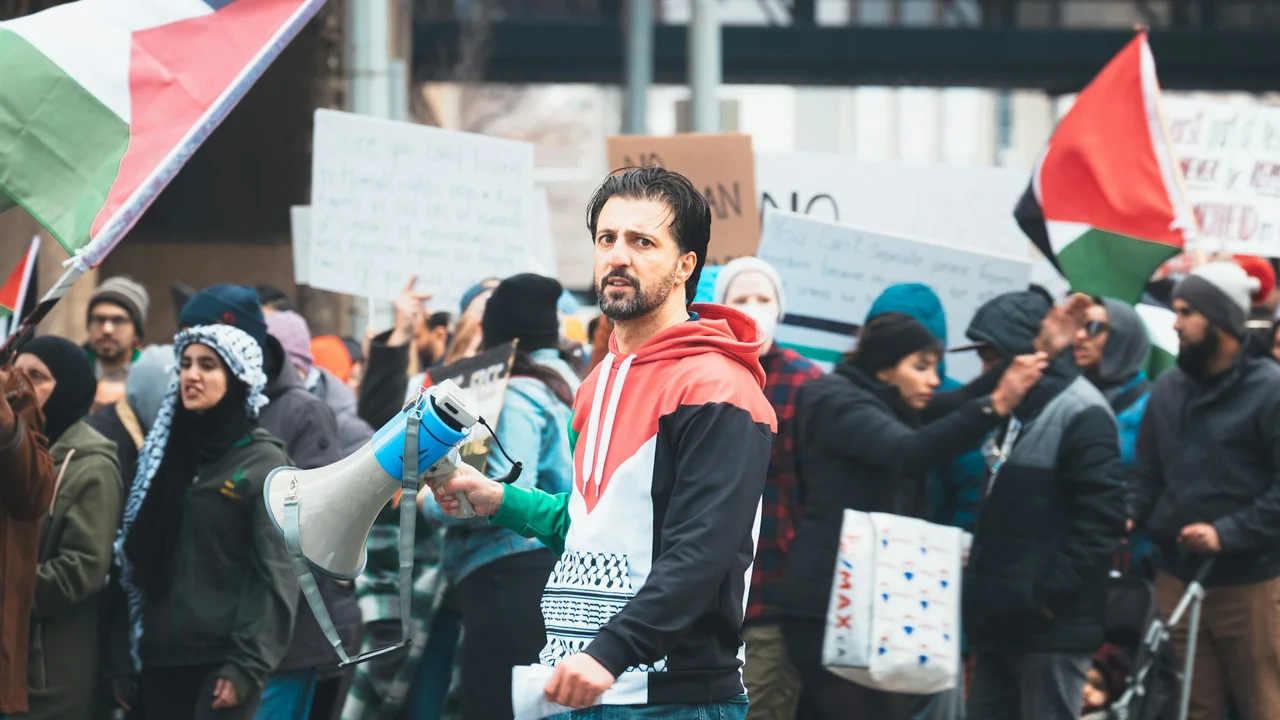
This trend is largely linked to the events following October 7, the war in Gaza, and the political activity of Zohran Mamdani, the first Muslim council member in New York's history. Arab youth have proudly adopted the ironic nickname "Mamdanistan," turning it into a slogan for their subculture. The phenomenon described in the article centers around the SWANA generation (an acronym uniting people from Southwest Asia and North Africa).
Demographic and Cultural Shifts
The article by journalist Zaina Arafat notes that this cultural energy has turned New York into a "Middle Eastern enclave." The city hosts children's workshops in bookstores dedicated to Middle Eastern culture and fundraising events for Gaza. Demographic data supports this trend: the number of state residents claiming Arab roots has tripled since 1980, exceeding 300,000, not including communities from Iran and Afghanistan. By some estimates, the number of Muslims in New York may now exceed the Jewish population.
A turning point for the formation of this identity was 2017 and the "Muslim bans" under President Donald Trump, which united immigrants from various Arab countries. The popularity of series like "Ramy" and the success of themed parties, such as "Yalla!" or "Disco Tehran," have cemented this trend in the mainstream.
The Conflict Over "Dialogue"
The atmosphere in the city has become so politicized that even attempts to foster dialogue face resistance. The owner of Cafe Barzah in Crown Heights, who hosted a joint performance by a Palestinian singer and an Israeli musician, was forced to defend himself to customers, labeling the event "anti-Zionist." According to him, among the young generation of Arabs born in the U.S., there is a perception that sitting in the same room as an Israeli is unacceptable.
The article also mentions Israeli chefs apologizing for the "cultural appropriation" of Palestinian cuisine and restaurants where Israel is replaced by "Palestine" on menu maps. Belonging to this new community, the magazine notes, requires adopting certain beliefs, including an uncompromising assessment of events in Gaza as a "genocide."
Reaction and Criticism
The publication has sparked a wave of outrage. Tablet magazine declared that "for 'Habibi City' to be born, New York must die." Israeli-American journalist Liel Leibovitz accused New York Magazine of adopting conspiratorial thinking and bias. The New York Sun, in an editorial, stated that "the metropolis imagined on the pages of the magazine is a city that has no room for Jews or Israelis."
Critics emphasize that the publication ignores the real level of antisemitism: according to the NYPD, 178 hate crimes against Jews have been recorded since the beginning of the year, which is eight times the number of similar crimes against Muslims.