Iran Stalls US Talks to Weaken Trump Ahead of Midterms
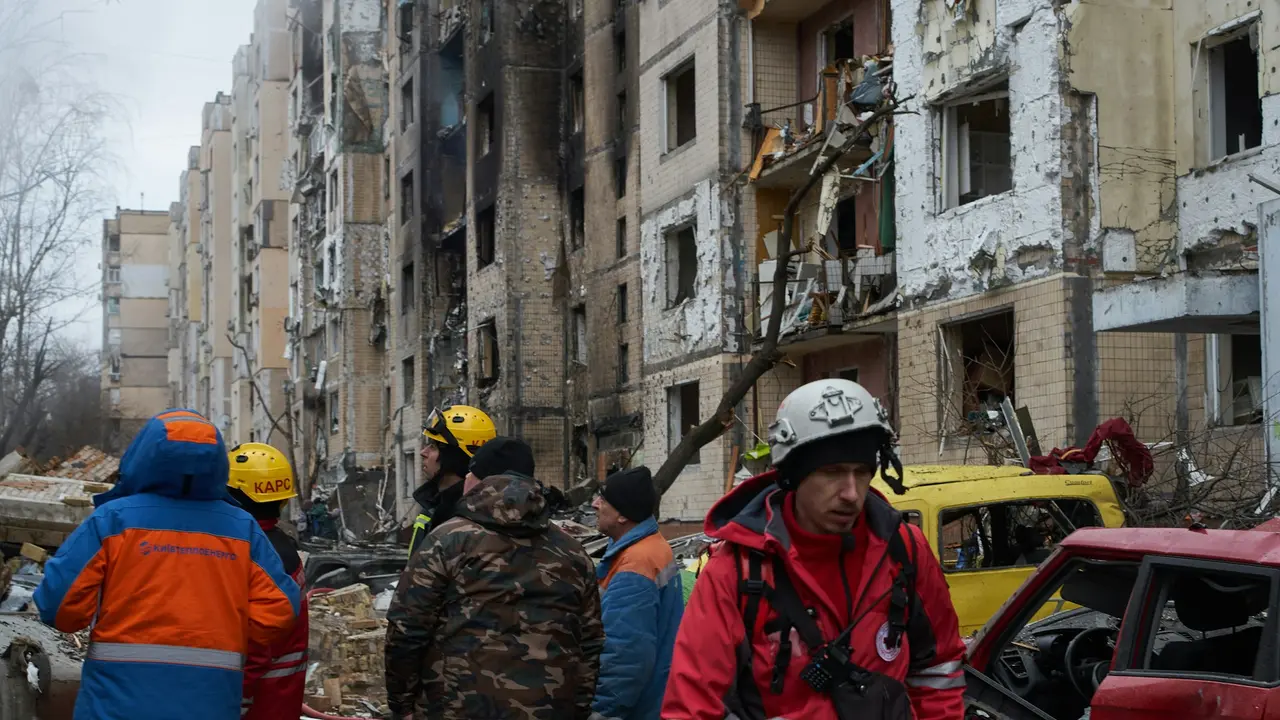
Iran is intentionally stalling negotiations with the USA to politically weaken President Donald Trump ahead of the November midterm elections, amid ongoing regional conflict and soaring oil prices.
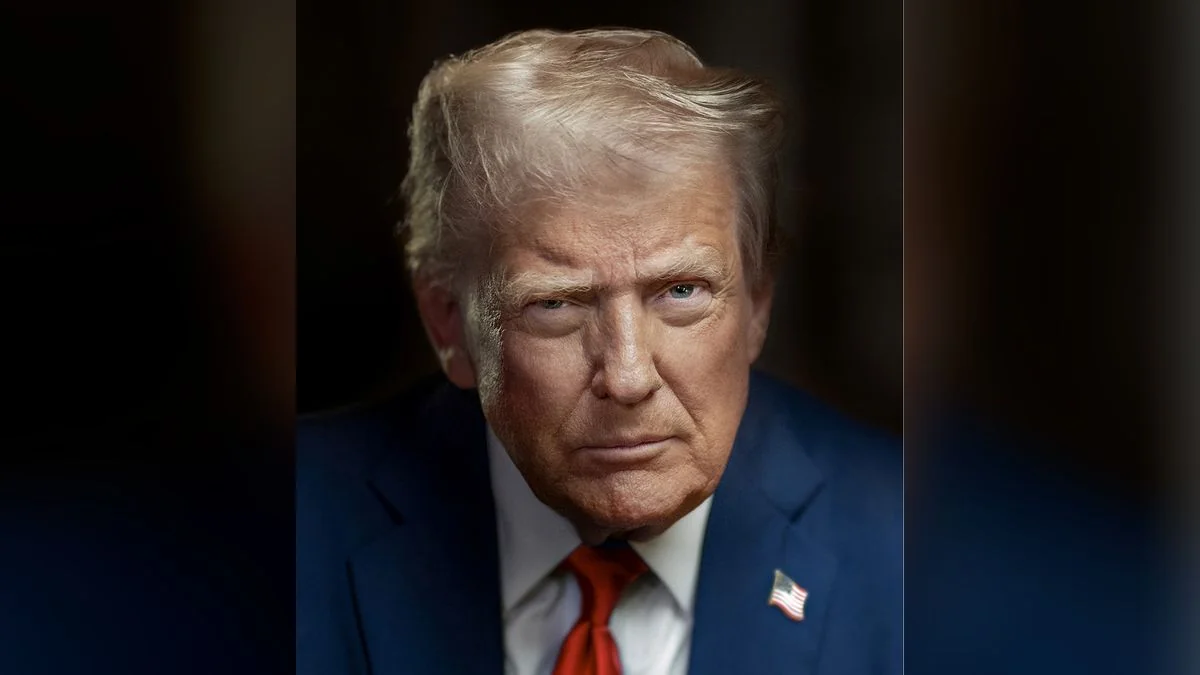
Iran is intentionally dragging out negotiations with the United States in an attempt to politically weaken President Donald Trump ahead of the November 3 midterm congressional elections, according to three Iranian officials and another person familiar with the matter. The fear of renewed strikes by the USA and Israel, combined with deep distrust in Washington, is reinforcing Tehran's reluctance to reach a swift agreement to end the war, which has been ongoing for eight months.
"Iran is preparing for the resumption of Israeli and American strikes, rather than an agreement with America to end the war," one of the officials told Reuters. "The religious establishment is determined not to grant Trump a political victory." Iranian analyst Saeed Leylaz noted that by prolonging the negotiations, Iran is influencing the US elections without taking illegal action.
Oil Markets and Regional Tensions
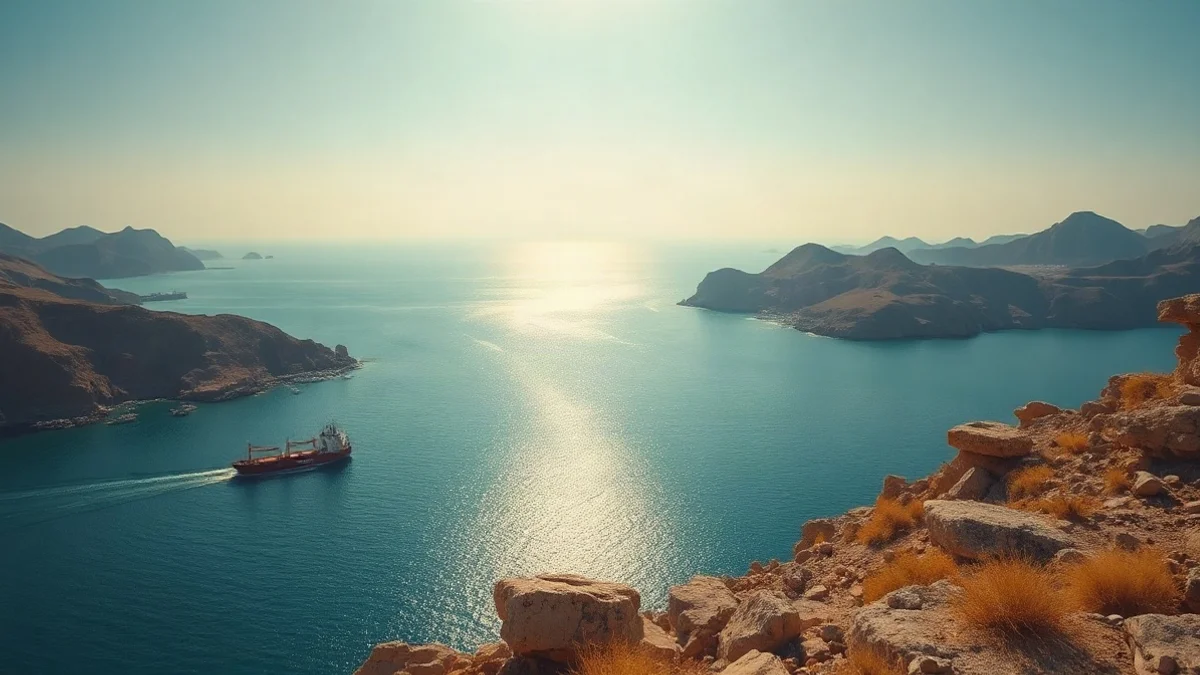
The war, which began with US and Israel strikes against Iran, has contributed to a decline in Trump's approval ratings to unprecedented lows. Meanwhile, polls indicate that Americans are concerned about high fuel prices and may punish the Republican Party in the congressional elections. Trump has repeatedly stated that he expects oil prices to drop after the elections, but has not presented a detailed plan to end the war and reopen the Strait of Hormuz—a vital trade route for global energy that Iran has effectively closed since the fighting began.
Oil prices rose, with Brent crude increasing by about 1.8% to around $111 a barrel, close to a five-month high, and WTI crude rising about 2% to around $100.50 a barrel. Iranian strikes and threats have reduced ship traffic in the strait to a minimum, alongside attacks by the Houthis against energy facilities in Saudi Arabia, including Aramco installations and the Shaybah oil field.
The Nuclear Dispute and the Strait of Hormuz
Washington demands that the Iranian nuclear program be at the center of talks from the very beginning. Iran claims its program is for peaceful purposes only, while Western countries argue it also has military dimensions. Tehran insists that the conditions it set under the "seven-day plan" must be met first, and only then negotiations on the nuclear issue can begin.
According to the Iranian proposal transmitted via Qatari mediators, Tehran is willing to reopen the strait within seven days while keeping it under its control. This would be in exchange for lifting the American naval blockade, easing restrictions on Iranian oil exports, releasing frozen assets, and ending fighting on all fronts. Iranian Foreign Minister Abbas Araghchi said that the proposal remains on the table.
"Tehran does not believe that Washington can be trusted," an Iranian senior official stated, pointing to past incidents where military strikes disrupted diplomatic efforts.