Global Aviation Hit by Wave of Hoax Bomb Threats and Costly Flight Diversions
Global aviation faces a surge in hoax bomb threats and digital terrorism, sparking emergency landings, soaring security costs for airlines, and driving up ticket prices for travelers worldwide.
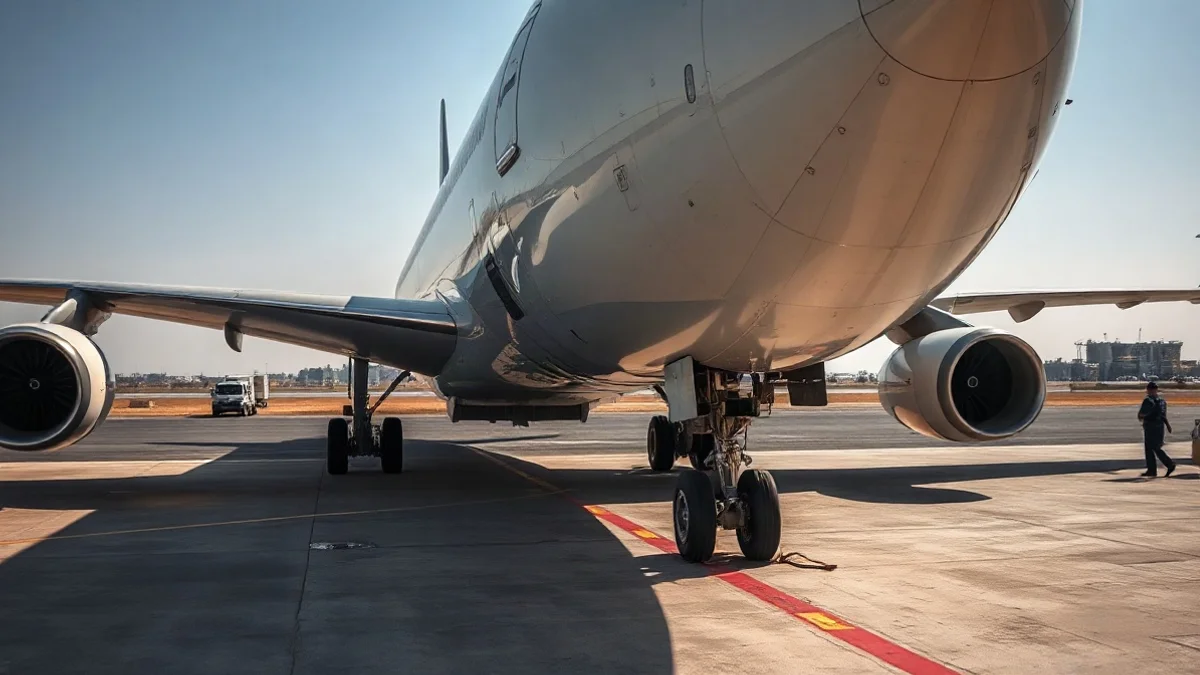
Global civil aviation is facing an unprecedented wave of digital terrorism and hoax bomb threats targeting passenger aircraft, driven by anonymous phone calls, social media posts, and airport bathroom notes. Security vigilance surrounding flights to and from Israel has sharply intensified following a late September incident on a Flydubai flight, where the co-pilot allegedly attempted to seize control of the aircraft and crash it near Ben Gurion Airport.
Such extreme events trigger copycat phenomena, yet civil aviation operates under an ironclad principle: passenger safety allows for zero compromise. The moment a targeted threat is received mid-flight, operational discretion vanishes, and protocols mandate an immediate landing at the nearest available airport. Within days, this protocol triggered a string of emergency landings across Europe. An Austrian Airlines flight from Ben Gurion to Vienna squawked an emergency code and diverted to Sofia escorted by fighter jets; a Delta Air Lines aircraft arriving from New York was evacuated upon landing at Ben Gurion for comprehensive explosive sweeps; a Wizz Air flight from London to Sofia was forced down in Budapest; and a LOT Polish Airlines plane was diverted to Warsaw Modlin Airport. All incidents ultimately proved to be false alarms, yet security frameworks were forced to execute full-scale emergency protocols, ranging from investigating potential ground crew complicity to scrambling elite counter-terrorism units.
The economic toll of diverting a single flight ranges from $100,000 to $250,000 for narrow-body aircraft, and can easily exceed half a million dollars for wide-body long-haul jets. This heavy price tag encompasses dumping tons of aviation fuel to meet maximum landing weights—costing between $10,000 and $35,000—emergency port fees, and the deployment of specialized explosive ordnance disposal teams and K-9 units. Additional expenses stem from flight crews exceeding legal duty hours, necessitating replacement crews, funding hotels and ground transportation for hundreds of stranded passengers, and causing cascading network-wide scheduling disruptions.
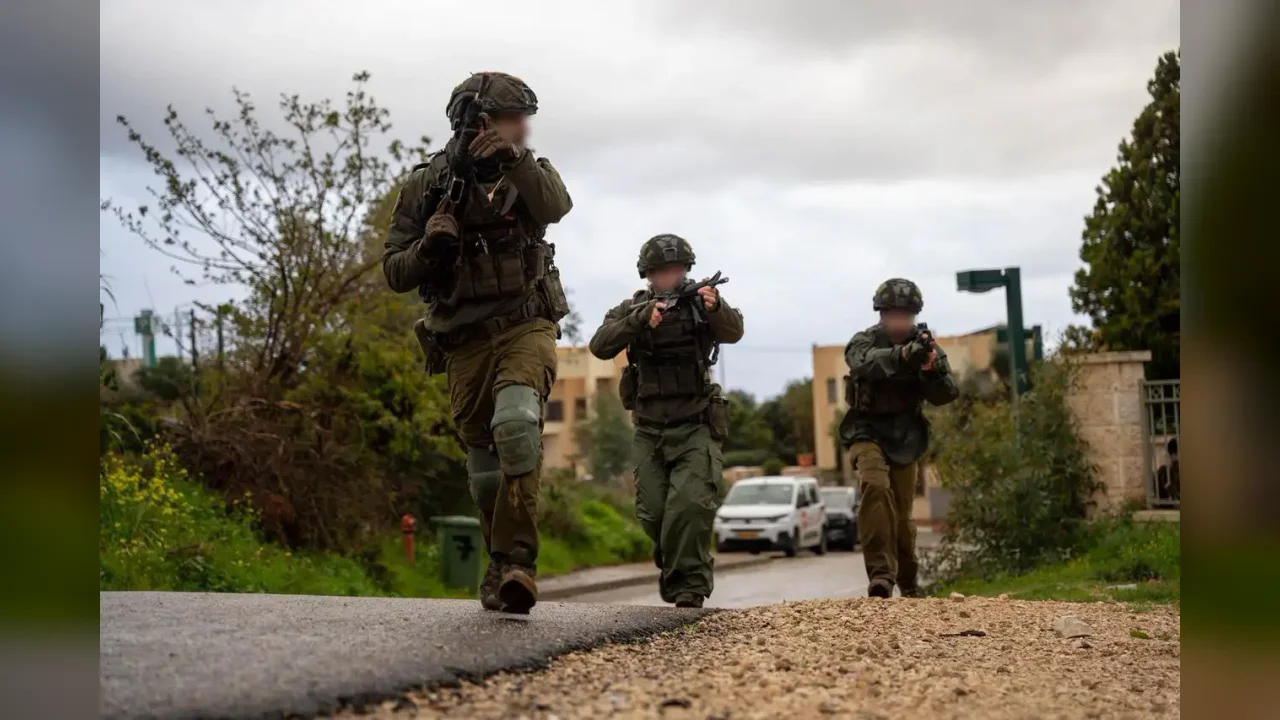
State treasuries also absorb substantial costs. Scrambling a pair of Quick Reaction Alert fighter jets to escort a suspect aircraft costs taxpayers between $15,000 and $35,000 per flight hour, soaring up to $80,000 for a single operation, alongside airspace closures and operational disruptions at receiving airports.
Ultimately, this multi-million dollar burden threatens to trickle down directly to consumers. The surge in emergency incidents drives up war and terrorism insurance premiums for airlines, adding a fixed overhead cost that is routinely factored into ticket prices. Budget carriers operating on razor-thin profit margins are embedding these operational risk premiums directly into base fares. Heightened security screenings and extended turnaround times further constrain overall flight capacity, reduce aircraft utilization, and indirectly drive up the cost of passenger travel.