EV Purchase Tax Hike Postponed in Israel Amid Upcoming Elections
Israel's planned electric vehicle purchase tax hike has been postponed due to upcoming elections, giving importers relief. Meanwhile, General Motors highlights Israeli-developed tech, and major Chinese auto brands prepare Q1 launches.
The purchase tax hike on electric vehicles, which was set to automatically take effect in early January, will be postponed for several months due to the upcoming elections. The tax currently stands at 48%, with a tax credit cap of up to 22,000 NIS, representing a significant tax benefit compared to other vehicle types.
However, the tax benefit was established as a temporary order, extended several times in recent years, with the current one scheduled to expire automatically in early January unless renewed. Following its expiration, the purchase tax on electric vehicles was expected to surge to 83%, raising the prices of most imported electric models by thousands to tens of thousands of shekels.
The Ministry of Finance decided to extend the existing order beyond January, relying on Section 38 of the Basic Law: The Knesset, which provides an automatic extension mechanism for legislation such as temporary orders whose validity is set to expire during or near an election period. This is intended to prevent a situation where a legal provision expires during a transitional period when the government and the Knesset are not fully functioning.
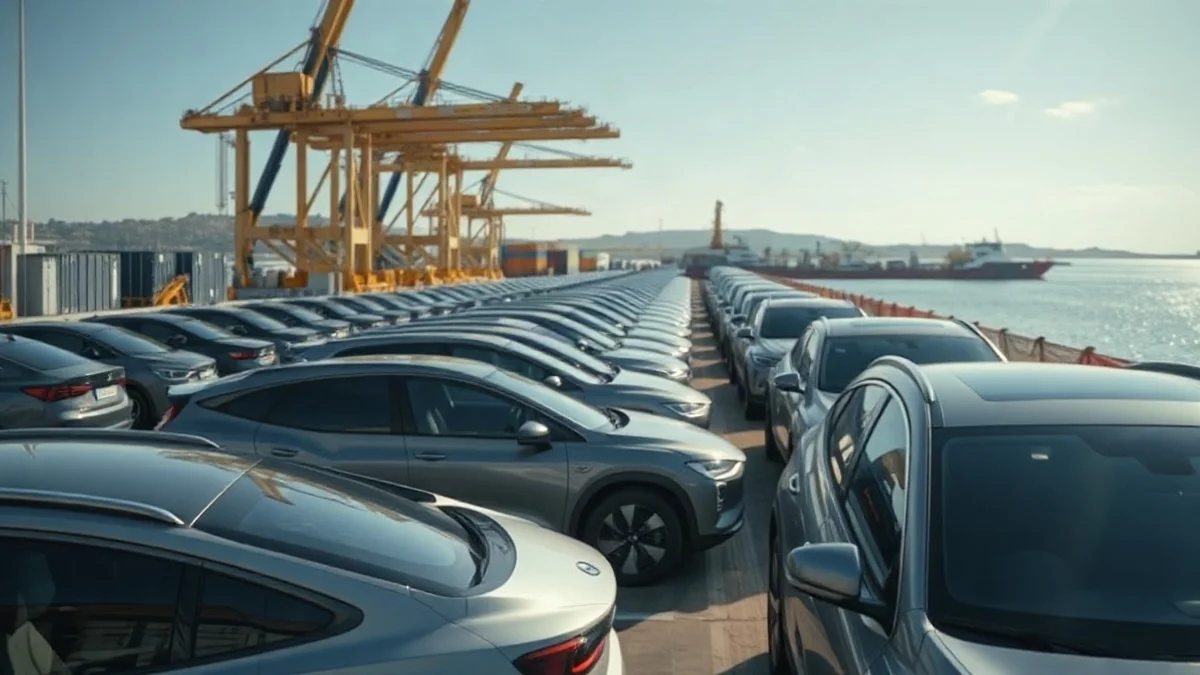
Importers did not wait for the deadline extension and ordered significant stocks of electric models, mainly from China, to beat the planned purchase tax hike. Some of these stocks are currently making their way to Israel, but the extension of the tax benefit will grant importers flexibility in clearing them from customs even after January, allowing them to launch new models in early 2027 at lower prices than initially planned.
The extension will also allow the Ministry of Finance to complete the updating of the new green taxation program for vehicles, which has been taking shape in recent months. In the automotive sector, it is estimated that the Treasury wants to revive the plan to impose a mileage tax on electric and plug-in hybrid vehicles at a rate of 15 agorot per kilometer, according to the original 2024 outline frozen last year. Alongside the mileage tax, a gradual increase in the purchase tax on electric vehicles up to 83% is proposed, spread over several years.
General Motors Showcases Future Technologies in New York
GM showcased new technologies and developments this week at a technology event in New York in the fields of computing, artificial intelligence, connected cameras, and autonomous driving, some of which were developed in Israel. The company stated that its next-generation vehicles will expand the use of software, data, and computing power through a new electrical and computing architecture.
Starting in 2027, GM plans to offer a new OnStar app that will include an AI assistant. The app will provide real-time vehicle data responses such as range check, charge status, and health diagnostics. Subsequently, GM intends to integrate advanced autonomous driving capabilities into its serial production models, starting with the Cadillac brand in 2028.
A significant portion of the new technologies presented at the event, especially in the field of cameras and software, is developed in Israel by the group's R&D center in Herzliya.
Q1 2027: New Chinese Brands and Models Heading to Israel
Haikhavim Tnuva will launch the NEVO sub-brand of China's Changan Group in the first quarter of 2027. The brand will initially include three models with full European standardization, all with electric or plug-in drive.
Colmobil will begin marketing the Omoda 4 compact crossover in the first quarter of 2025 in a fully electric version. The vehicle length is 4.42 meters with an estimated range of up to 465 km in WLTP, priced around 150,000 NIS.
Meanwhile, Shlomo Motors, the importer of BYD, will start the quarter with two main models. The first is the large ATTO8 crossover with up to seven seats, and the second is the BYD Shark plug-in hybrid pickup truck, with a base price expected to be below 300,000 NIS.