Tel Aviv Stock Exchange Closes Lower as TA-35 Drops 1.09% Amid Global Pressures
The Tel Aviv Stock Exchange closed lower on Thursday, with the TA-35 dropping 1.09% and TA-125 falling 0.93%. Trading volumes reached ₪3.7 billion as global markets reacted to rising oil prices and Wall Street declines.
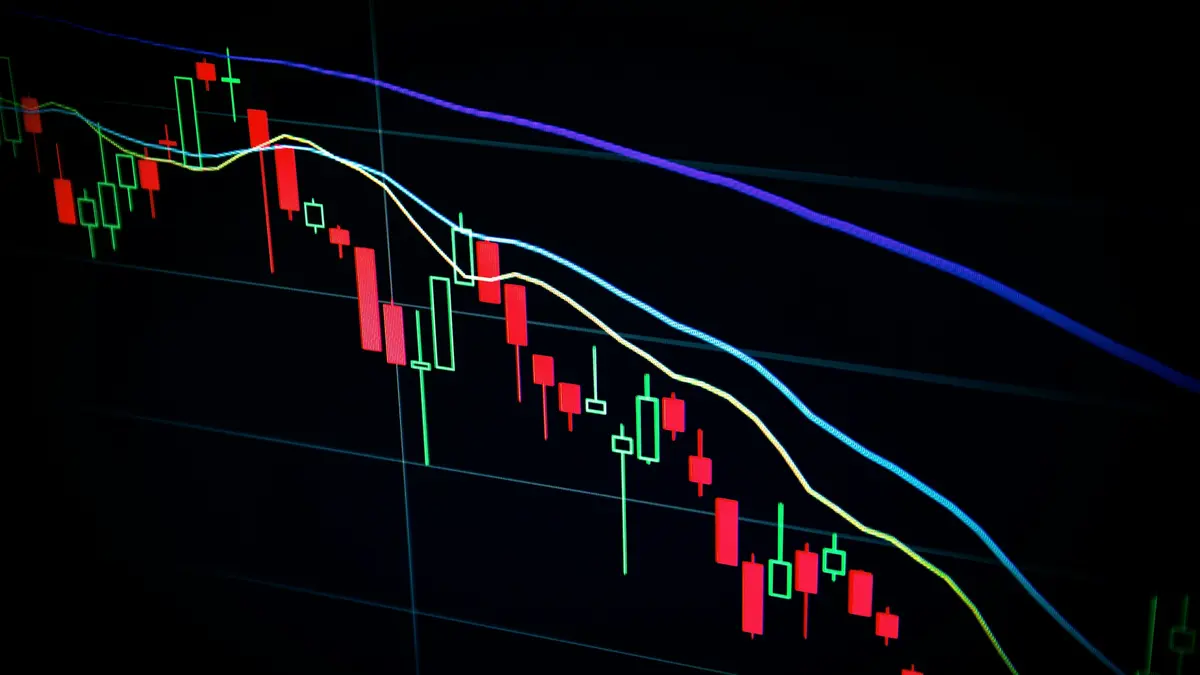
The Tel Aviv Stock Exchange closed today (Thursday) with a downward trend across its two leading indices. At the end of the trading day, the TA-125 index dropped 0.93% to 4,067.91 points, while the TA-35 index fell 1.09% to 4,166.25 points.
Top Gainers and Decliners
Among today's rising stocks, Max Stock emerged as the biggest winner, surging 4.49% to close at 3,557 agorot after having been the biggest loser the previous day. In second place was Ratio Energies, which jumped 3.37% to 488 agorot. Africa Israel Residences took third place, rising 3.36% to 24,600 agorot. Israel Shipyards also recorded a positive session with a 3.12% increase to 10,900 agorot, while Ampa rounded out the top five with a 2.99% gain to 1,480 agorot.
On the flip side, QualiTau suffered the steepest drop among the 5 falling stocks, plunging 6.86% to 29,750 agorot. Camtek followed in the red, losing 5.71% of its value to close at 38,000 agorot. Tower Semiconductor continued its downward trend with a daily crash of 4.18% to 55,200 agorot, Priority Technology Holdings fell 4.12% to 24,450 agorot, and Ashot Ashkelon Industries rounded out the decliners with a 4.11% drop to 1,515 agorot.
Trading Volumes and Bond Markets
Trading volume in equities totaled approximately ₪3.7 billion today, while bond trading reached roughly ₪5.8 billion, and short-term T-bills (Makam) accounted for about ₪2 billion.
The government bond market recorded slight gains, with the Tel Gov-General and Tel Gov-Linked indices both rising 0.02%, and the Tel Gov-Shaham index adding 0.01%. In the corporate bond sector, the Tel Bond-Shaham index edged down 0.07%, while the Tel Bond-Linked index remained unchanged.
Meanwhile, Wall Street opened with sharp declines driven by a combination of geopolitical pressures and tech sector concerns: Brent crude surged toward $112 a barrel following Houthi attacks in Saudi Arabia and fears of escalation with Iran, heightening inflation worries and pricing for future rate hikes. At the same time, weak revenue guidance from Lam Research and concerns over the profitability of massive artificial intelligence infrastructure investments weighed heavily on chip and tech stocks.