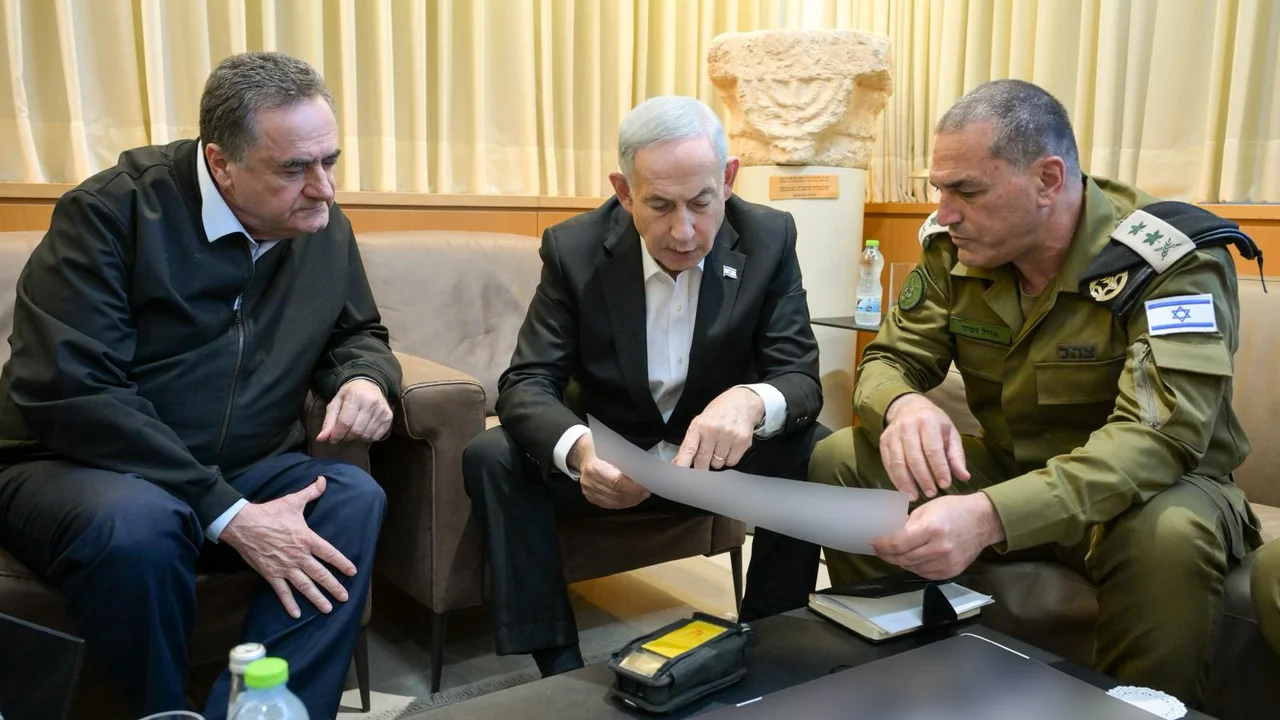
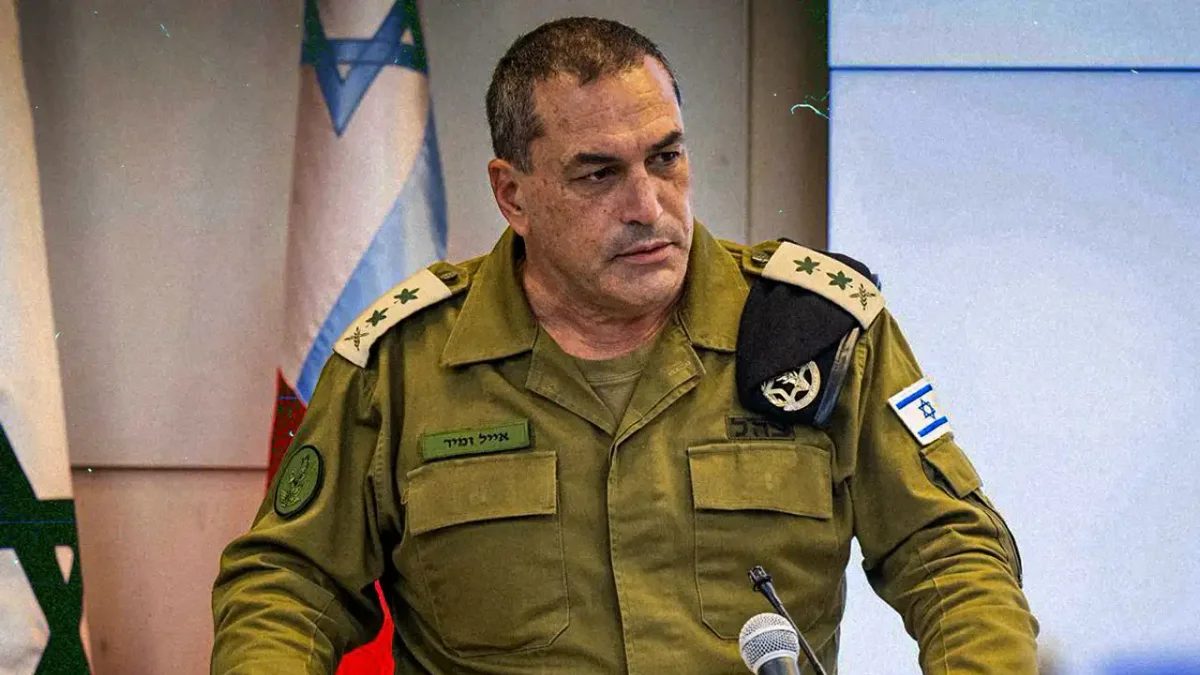
Unveiling Col. Ehsan Daksa's Pre-Emptive Campaign on the Syrian Border
Two years after the fall of Col. Ehsan Daksa in Gaza, details emerge of the pre-emptive "Operation Date Palm" he led on the Syrian border to dismantle emerging threats.
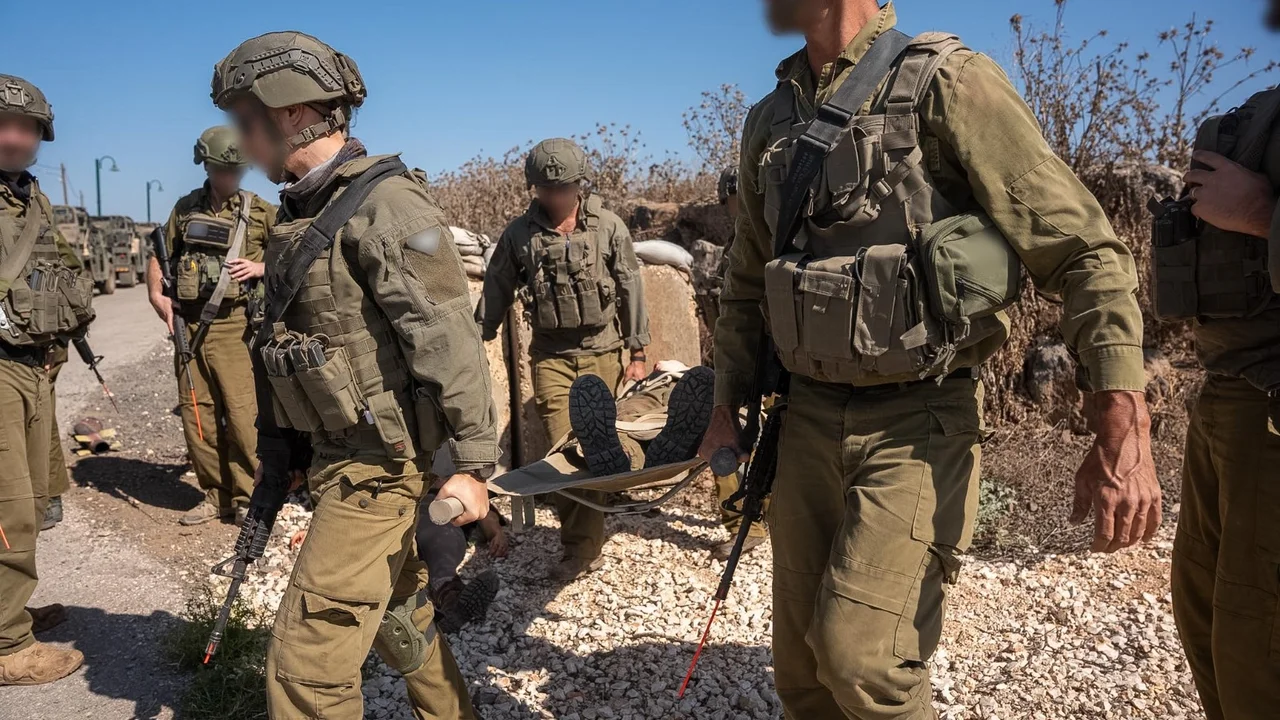
Two years after the fall of Colonel Ehsan Daksa, commander of the 401st Brigade, in battle in the northern Gaza Strip, the campaign he led on the Syrian border is revealed. Under the name "Operation Date Palm," Daksa led a series of strikes designed to push Syrian military infrastructure away from the Israeli border during a period when many viewed the sector as relatively quiet. Officers who served alongside him and his widow Huda speak of a commander who refused to wait until the threat intensified, his concern for the Druze community in Syria, and his operational legacy.
Some commanders look at the border and see reality as it is. Ehsan Daksa looked at it and saw what could happen in ten years. For him, the relative quiet on the Syrian border was not a reason to lower alertness, but an opportunity to act before the threat became tangible. In November 2021, the Kfayot and Nachshon outposts were attacked, and in August 2023, the Migrerana outpost was targeted in the deepest strike of the campaign. Between these two points, a clear operational concept took shape: do not wait until infrastructure becomes an active threat—act against it while it is still in the establishment phase.
Complex Reality in the Barrel Line
For years, the perception took hold that the border fence was the primary line of defense. However, between the fence and the Alpha Line, in an area known as the "Barrel Line," a more complex reality existed. Syrian forces crossed the line and established tents and structures in the demilitarized zone near the Israeli border. During that period, Syrian presence in the area was effectively tolerated.
Daksa believed that this reality must not be accepted. Even if the Syrian regime weakened after years of civil war, he understood that the situation could change and that outposts appearing marginal today could become points from which threats against Israel would be launched in the future. "He always thought at least ten steps ahead," says his widow, Huda Daksa. "He knew how to enter the world of the other side, understand how they think, and connect the whole picture. He was a strategist, and his time in the Golan Heights was when he was at his peak."
Major Sh., who served as intelligence officer for the 474th Brigade under his command, remembers a commander who refused to settle for conventional situation assessments. According to him, Daksa patrolled the sector and personally sought out Syrian positions that had infiltrated the area. For him, the responsibility for defense did not end with identifying the threat beyond the fence, but required deep familiarity with the terrain and the infrastructure that could endanger Israel in the future.
Expanding the Campaign
The campaign developed gradually. Initially, positions established within the demilitarized zone that crossed the line defined by the IDF were attacked. Later, strikes were expanded to additional outposts between the Alpha Line and the Barrel Line, and eventually deep into Syrian territory. The activities included foot raids, tank operations, and the use of Spike missiles. The goal was to push Syrian forces back and prevent them from establishing infrastructure that could later be used by other hostile entities, including Hezbollah.
"The goal was to create a significant security space, clean and free for the movement of our forces," says Lieutenant Colonel S., deputy commander of the Golan Brigade, who served alongside Daksa. According to him, the campaign contributed to strengthening defense in the sector and preparing forces for the possibility of escalation.
For Daksa, forward thinking was not limited to military questions. He also carried a deep concern for the Druze community in Syria, especially the residents of Suwayda. His connection to his Druze roots and the State of Israel existed simultaneously and influenced how he understood the complexity beyond the border. "He was always worried about the situation of the Druze there," says Lt. Col. S.
Huda recounts that this concern also arose at home, although Daksa did not share the details of the operations he led. "At the time, I didn't always understand why he was so worried. Today, after what happened in Suwayda, many things take on a different meaning. He understood things that not everyone saw."
In July 2025, following the fall of the Assad regime, a severe massacre against the Druze community took place in Suwayda. It cannot be stated that Daksa foresaw these specific events in advance, but the concern he expressed earlier reflects how he examined future scenarios and his unwillingness to assume that reality would remain as it is.
Those who knew Daksa say that operational determination was only one side of his personality. Lt. Col. S. recalls their first meeting, shortly after he took office. He expected a professional conversation full of demands, but Daksa pulled out halvah, which he loved, and the conversation drifted to family, life, and the connection to the Druze community.
Major O., operations officer of the 401st Brigade, who accompanied Daksa in the fighting in the Gaza Strip and was by his side in his final moments, also remembers the ability to bring humanity into a harsh reality. On the day he took office, amid a painful operational period, Daksa welcomed him with a smile, invited him to sit with the commanders, and helped him start his role despite the difficult events around them.
Two years after his fall, Daksa's legacy is examined not only in the memories of those who served beside him, but also in the concept he led: not to settle for reacting to a threat that has already reached the fence, but to identify danger while it is still distant and act to prevent it from developing.