Zara
Found 7 recent publications
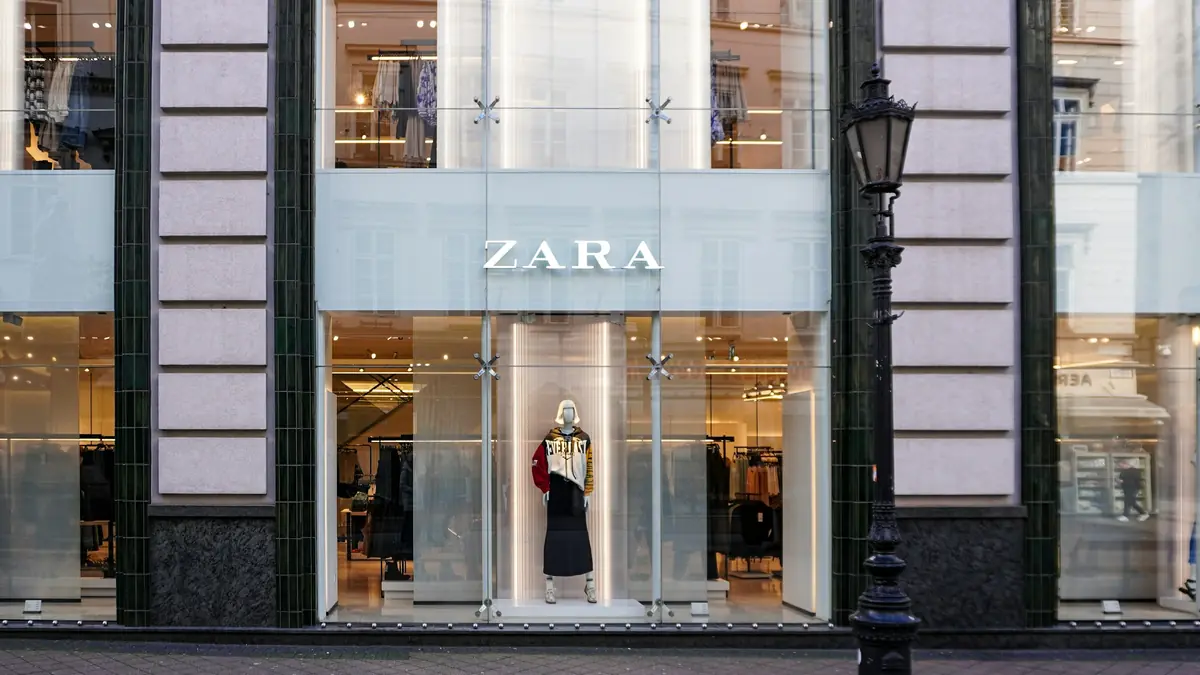
Zara Downsizes Physical Stores in Israel and Ends Free Online Shipping
Zara Israel scales back its physical stores, closing branches in Beersheba and Ayalon, while ending free online shipping and introducing new delivery and return fees.
Zara Israel Ends Free Shipping Policy for Online Orders
Zara Israel cancels free shipping for online orders over 199 NIS, introducing paid home delivery options starting at 14.90 NIS alongside existing return fees.
Zara Pulls Controversial Halloween Costume Over Concentration Camp Resemblance
Spanish fashion giant Zara has removed a children's Halloween costume from its British website after critics noted its disturbing resemblance to concentration camp uniforms.
Have you heard about the Zara second-hand store? Here is how it works
What if when you buy a new piece of clothing you are already thinking about the day you will sell it? This is exactly the trend that has been changing the fashion market in recent years: more consumers, and especially young people, look at clothes not only as something to wear, but also as an item that can be passed on and sold.
Court ruled: Joey Schwebel will pay tax in the amount of 35.6 million shekels
Joey Schwebel, one of the owners of the Zara group in Israel, will be liable for tax on dividends for the years 2015-2017. The court ruled that the funds were not loans but withdrawals by a controlling shareholder. The judge noted: "If the appellant does not separate the companies and their interests from his own, there is no reason for the respondent to act otherwise."
Fashion chain Zara slashes prices in Israel: up to 80% discount
The Zara sale is reaching its final stretch, with significant discounts on clothing items now being sold at particularly low prices — discounts reaching 80%.
Zara and H&M have found a gold mine: the new move by fashion brands
The world's largest fashion brands, including Zara, H&M, and Lululemon, are increasingly launching their own platforms for pre-owned items. This strategic shift aims to capture a share of the booming secondary market, which has historically generated billions for third-party platforms like eBay and Poshmark.