Yehud-Monoson Leads Israel in Housing Oversupply, Ashkelon Most Balanced
A Globes analysis reveals Yehud-Monoson has over 13 years of housing inventory, making it Israel's most oversupplied city, while Ashkelon remains the most balanced market.
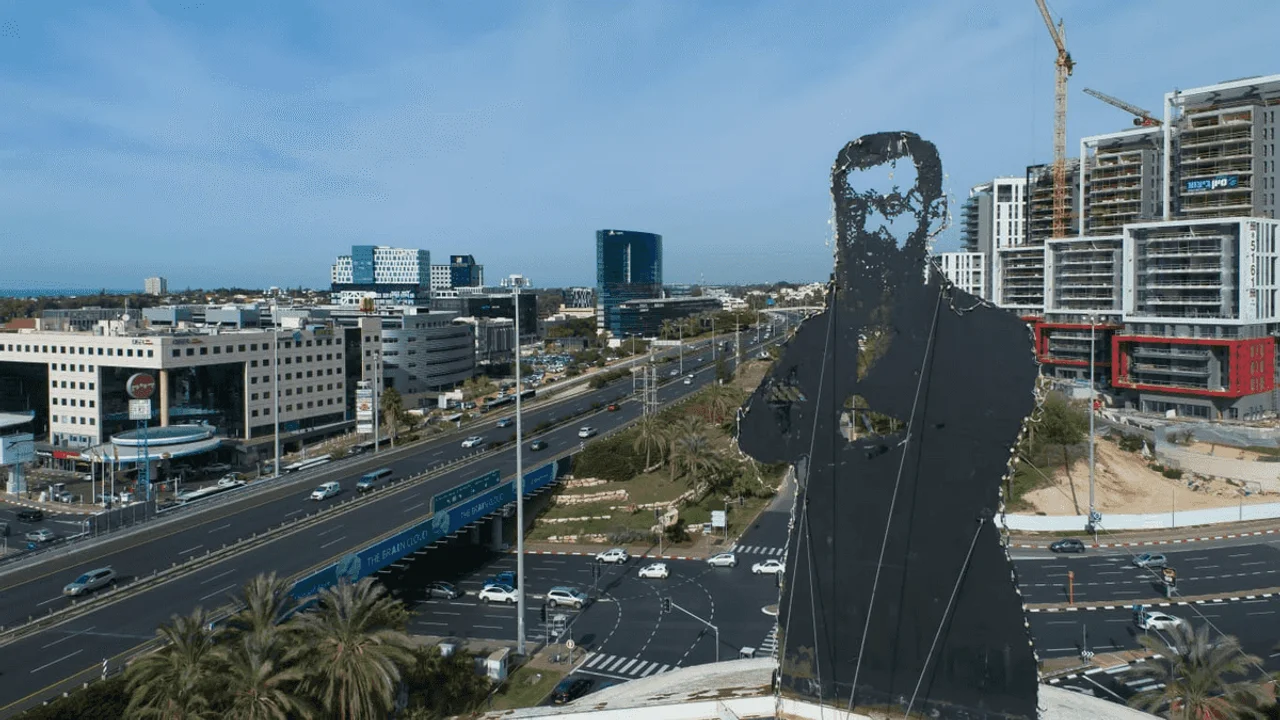
Yehud-Monoson is Israel's most oversupplied city in terms of new housing inventory, while Ashkelon maintains the most balanced supply-to-demand ratio, according to a Globes analysis of Central Bureau of Statistics data.
The analysis reveals that in numerous Israeli cities, existing apartment supplies are sufficient for five years or more under current market conditions. This indicates substantial excess inventories remaining in locations where construction paces fail to match sales velocities.
Oversupply Exceeding Thirteen Years
To conduct the analysis, Globes utilized CBS data on municipal housing supplies alongside sales figures recorded between March and August. The resulting ratio indicates the precise duration required for developers to liquidate their current inventories based on average monthly sales.
While Jerusalem and Tel Aviv lead in absolute apartment inventories—reaching 10,249 and 9,820 units respectively—they also rank among the top cities in sales volume. Nonetheless, Tel Aviv's inventory covers 2.4 years of sales at a monthly pace of 348 units, whereas Jerusalem's inventory stretches to 5.5 years due to a recent slowdown yielding only 156 transactions per month.
Regional Disparities and Surpluses
In Beit Shemesh, current inventory covers 5.3 years, illustrating how skyrocketing prices have placed apartments out of reach for a significant portion of young Haredi buyers despite intense housing demand. Similarly, Bat Yam records an inventory supply of 5.3 years driven by aggressive coastal and urban renewal construction based on outdated demand assumptions.
Among smaller cities, Lod and Kiryat Gat feature roughly 3,000 new apartments each—surpassing the combined inventory of Rishon LeZion and Holon. However, sales velocities fail to justify this volume, requiring nearly 10 years to clear inventory in Lod and 6.5 years in Kiryat Gat.
"Yehud-Monoson recorded just 63 free-market apartment sales in the first half of the year, translating to roughly 10 transactions per month against an inventory of 1,670 units, resulting in a supply exceeding 13 years."
Market Slowdown and Balanced Exceptions
These severe oversupplies stem from massive agricultural land releases, expedited planning approvals via the National Housing Priority Committee, and extensive land marketing by the Israel Land Authority. While these measures aligned with the booming 2021-2022 market, the post-2023 economic slowdown caused prospective buyers to pull back.
Conversely, Ashkelon emerges as the most balanced market. With 1,419 housing units available at the end of August and an average of 118 monthly transactions, its inventory represents exactly one year of supply. Netivot follows at 1.2 years, Haifa at 1.4 years, and Rehovot at 1.7 years, providing developers in these regions with greater pricing stability.