Tel Aviv Resumes Trading Following Strong Week as Inflation Stays Low
Tel Aviv trading resumes after a strong week for Israeli stocks as inflation stays below 2%. Meanwhile, Wall Street faces AI sector volatility and rising oil prices.
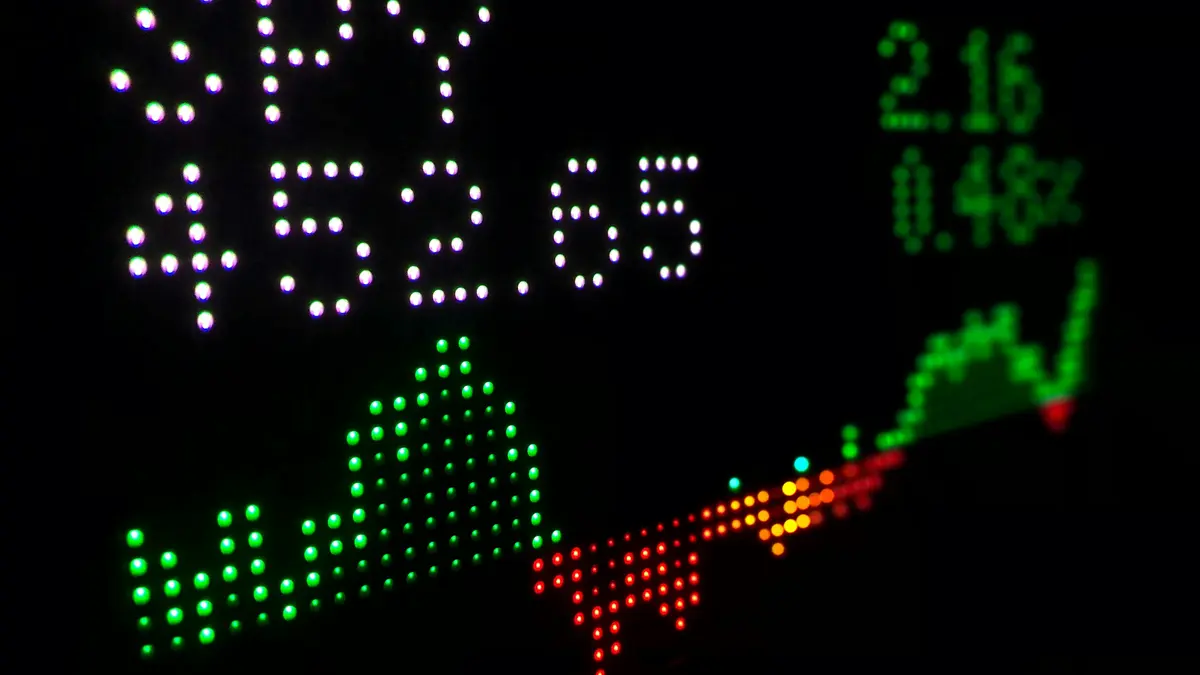
Trading in Tel Aviv resumes today, Monday, following an exceptional week for the Israeli stock market, which concluded with the Tel Aviv 125 Index rising 4.2% and the Tel Aviv 90 Index adding 5.5%. The Tel Aviv 125 has climbed approximately 11.7% since the beginning of the year.
The Consumer Price Index for September dropped 0.5% compared to August, marking the seventh consecutive month in which Israel's inflation rate remained below 2%. Nevertheless, Ronen Menachem, chief markets economist at Mizrahi-Tefahot Bank, estimated that the Governor of the Bank of Israel will likely refrain from cutting interest rates this week.
"While the annual inflation level is low and theoretically permits a future rate reduction, for now, pressures in the housing sector and questions regarding fuel prices dictate caution," Menachem assessed.
Arbitrage Pressures and Technology Stocks
Arbitrage gaps are signaling significant downward pressure on the Tel Aviv 35 Index, driven primarily by technology and semiconductor stocks. The weighted theoretical impact of arbitrage gaps on the Tel Aviv 35 stands at -0.89%. This serves as an indicator of market direction rather than a precise forecast for an identical decline in the actual index.
The largest negative arbitrage gaps were recorded in Palo Alto (-8.24%), Tower (-6.95%), Nova (-3.19%), and NICE Systems (-3.08%). Conversely, Elbit Systems (+1.58%) and Teva (+0.2%) benefited from positive arbitrage gaps.
Wall Street Volatility and AI Sector Pressures
Wall Street also concluded a turbulent week, marked by sharp declines across several technology stocks. On a weekly basis, the Nasdaq Index shed 4.5%, marking its worst weekly performance since late June of this year. The S&P 500 lost 1.95%, while the Dow Jones managed a 0.7% weekly gain.
Artificial intelligence stocks bore the brunt of the selling pressure during the past week. Semiconductor stocks continued their downward trend, focusing heavily on CoreWeave, an AI infrastructure provider backed by Nvidia. Investors harbor distinct concerns regarding its debt-heavy balance sheet structure. Nvidia CEO Jensen Huang expressed optimism regarding the company, yet concerns persist.
Oil prices continued to exert pressure on global markets. Brent crude touched $110 a barrel on Friday for the first time since May, driven by escalating Iranian attacks in the Strait of Hormuz. US crude approached $100 a barrel, amplifying fears of renewed inflationary pressures.