Haifa Court Backs Kiryat Yam Urban Renewal Project Despite Collapse Risks
A Haifa court ruled in favor of an urban renewal developer in Kiryat Yam, ordering an objector to cease disrupting a 130-unit project despite collapse risks, subject to a 200,000 NIS bond.
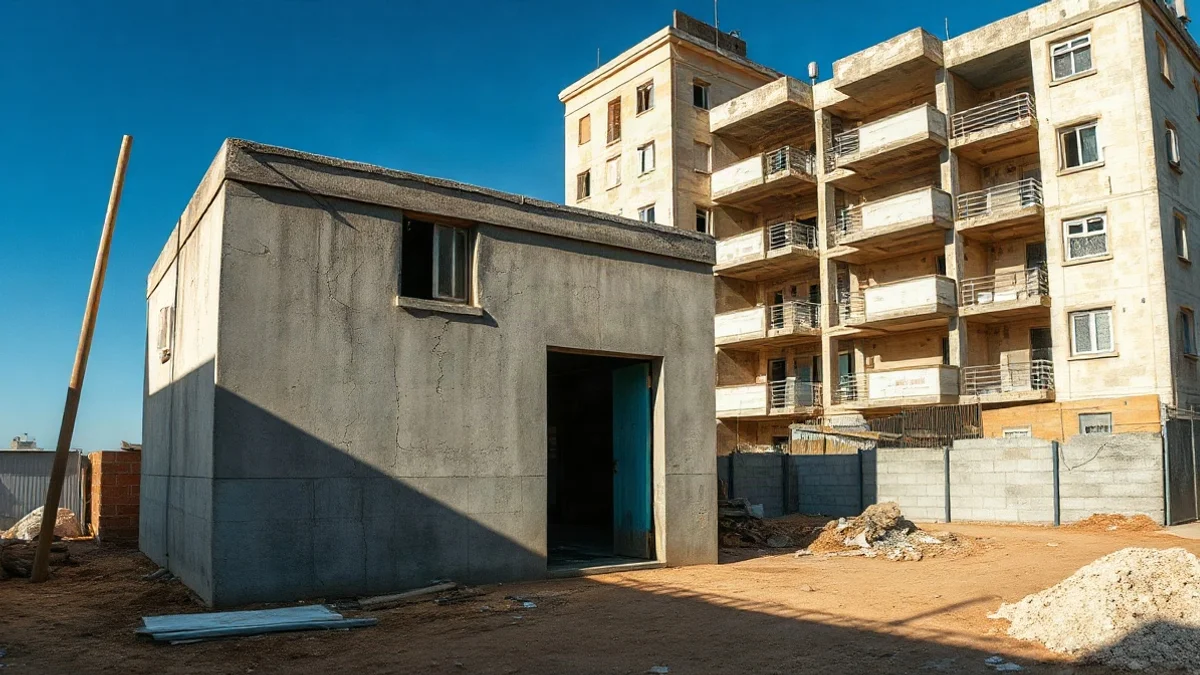
A court in Haifa recently ruled in favor of an urban renewal developer in Kiryat Yam, issuing an injunction to prevent a man claiming rights to an adjacent structure from disrupting a major project. Judge Tali Mirom determined that even though there is a tangible possibility that the construction work could cause the building to collapse, the balance of convenience heavily favors the company. The developer was ordered to deposit a bond of 200,000 NIS and implement strict safety measures to mitigate risks.
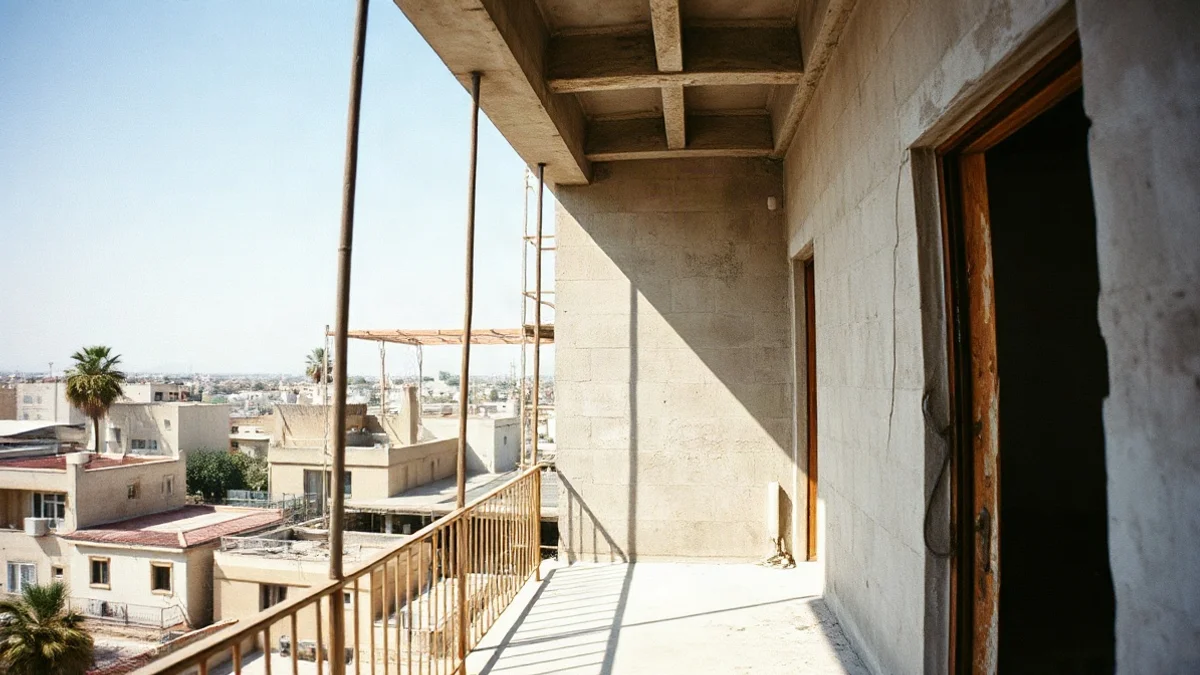
The project is located on Zvulun Street in Kiryat Yam, on a site where 20 old apartments were demolished to make way for three residential buildings comprising approximately 130 housing units. Two of the buildings have already been constructed, and the developer is now seeking to carry out foundation work for the third. However, adjacent to the site stands a single-story structure which the developer claims partially encroaches on the project area. The individual claiming rights to the structure posted a sign prohibiting entry and unauthorized work. According to the company, attempts to reach an agreement failed due to excessive demands.
The respondent argued that he inherited the rights from his mother, an Amigur tenant since the 1950s. He claimed that 2025 construction work caused cracks, shifts, and sewage blockages, rendering the building uninhabitable and forcing the tenant to leave. An engineer he hired concluded that the building is beyond repair and destined for demolition. Judge Mirom, however, ruled that the respondent failed to clarify the nature and extent of his rights, noting he presented no documents regarding the building's boundaries or construction permits, and described his testimony as evasive.
The court emphasized that the structure is abandoned, uninhabitable, and slated for demolition regardless. Conversely, halting the project would severely harm apartment owners, buyers, and financing banks. The judge criticized the respondent for sleeping on his rights, noting he took no legal action when damages allegedly occurred in 2025. Consequently, the court issued an order prohibiting interference with the work, conditioned upon the 200,000 NIS bond and mandatory safety precautions.