TradFi Meets Crypto: Schwab, Visa and Coinbase Expand Digital Asset Services
Charles Schwab, Visa, and Coinbase have announced major expansions integrating digital assets into traditional finance, while the IMF warns of lingering liquidity risks.
The recent weekend provided three significant signs of convergence between the crypto world and the traditional economy. Major American investment firm Charles Schwab, payment giant Visa, and crypto exchange Coinbase announced moves expanding the use of digital assets in investment trading, money transfers, and retail payments. Meanwhile, the International Monetary Fund (IMF) warned that despite the benefits, markets based on tokenized assets still suffer from liquidity and volatility risks.
The first move comes from Charles Schwab, one of the largest investment platforms in the USA, managing over 13 trillion dollars in client assets. The company opened its direct trading service in Bitcoin and Ethereum to all eligible clients. The fee stands at 0.75 percent per transaction, and the company plans to add three additional digital assets by the end of the year: Solana, Avalanche, and Chainlink. Although the fee is higher than that charged by some specialized crypto trading platforms, the advantage for clients is the ability to operate within the same investment environment where they manage stocks, bonds, and mutual funds. However, digital assets do not necessarily benefit from the insurance protections applicable to traditional investment accounts.
Visa and Coinbase Expand Crypto Infrastructure
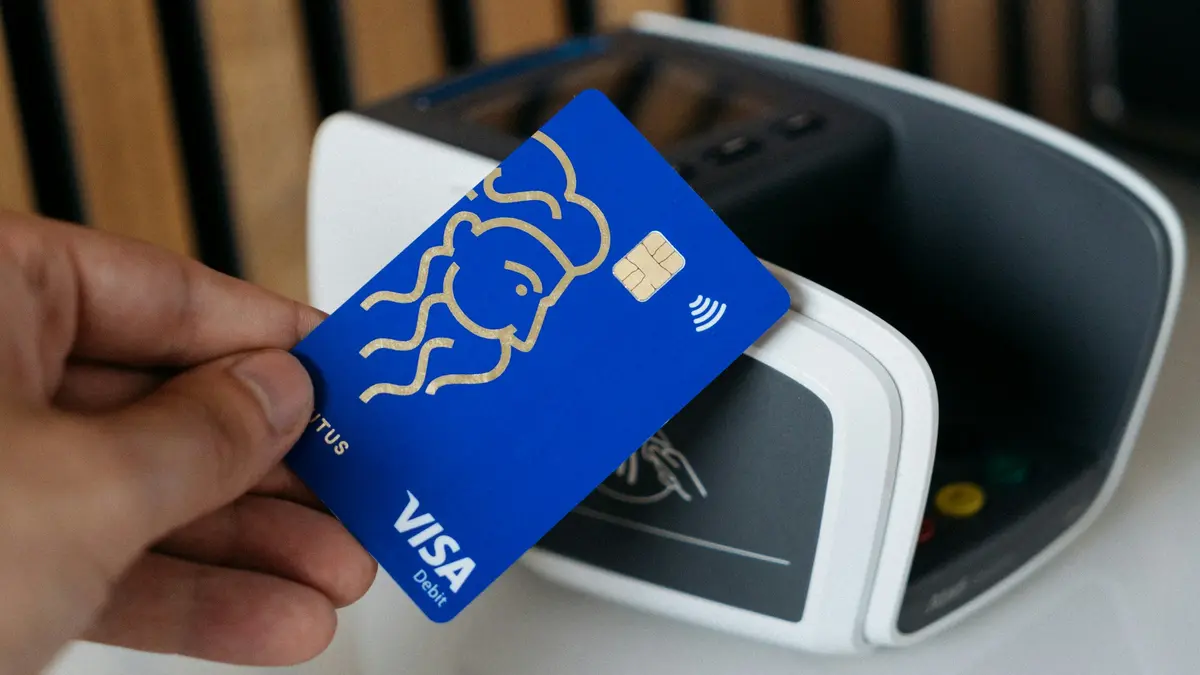
The second move comes from Visa, which transitioned its stablecoin funding service from the pilot phase to commercial operations. Through Visa Direct and in partnership with Inyo Global, eligible businesses will be able to fund international transfers using USDC, a digital currency pegged to the US dollar. The goal is to enable money transfers around the clock, including weekends and holidays, without relying entirely on traditional banking hours. Unlike traditional international wire transfers, which can take days and involve multiple intermediary fees, using a stablecoin can significantly speed up the funding process. However, service availability and conditions depend on the participating institutions and the countries where it operates.
Simultaneously, Coinbase announced a partnership with payment company Marqeta, allowing businesses to offer cards funded by stablecoin balances. Coinbase will handle asset custody and conversion to fiat currency, while the Base network will serve as the digital clearing infrastructure. This allows users to pay via card at merchants worldwide without manually converting their balance in advance.
IMF Warnings and Market Risks
However, this expansion is not without risks. In its October 2026 Financial Stability Report, the International Monetary Fund warned that the market for tokenized stocks—meaning the digital representation of shares via blockchain—remains small, fragmented, and less liquid than the traditional market. While it enables round-the-clock trading and fractional share purchases, it can also amplify price volatility during periods of stress. The message is clear: major institutions are already building bridges to the crypto world, but widespread adoption will require reliable infrastructure, clear regulation, and robust risk management.