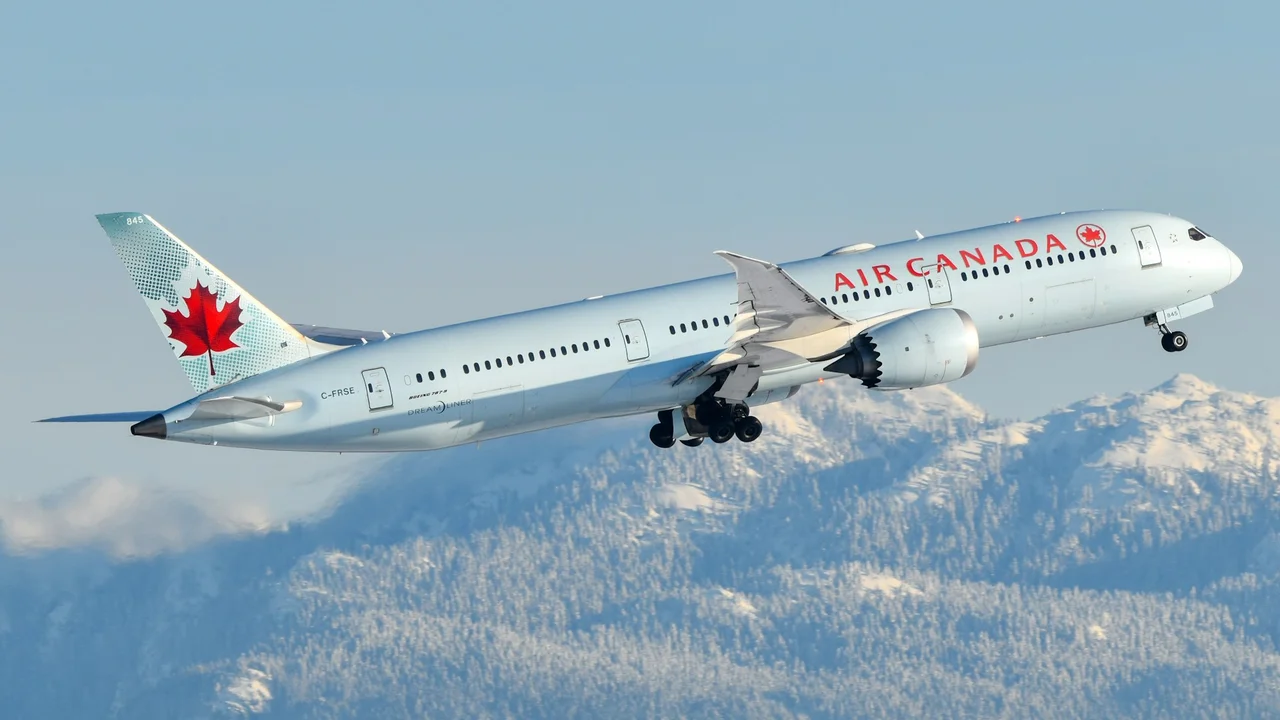
U.S. Imposes Strict Health Declaration for All Inbound Air Passengers
The U.S. CDC has mandated a new health declaration for all travelers to the U.S. requiring proof they have not visited the DRC in the past 21 days.
Starting today, November 3, all passengers flying to the United States are required to complete and sign a special health declaration before boarding their flight. This sweeping new directive was issued by the U.S. Centers for Disease Control and Prevention (CDC) following an Ebola outbreak in the Democratic Republic of the Congo. The rule applies to all travelers regardless of citizenship, country of origin, or whether they have ever visited the African continent.
Under the directive, passengers must declare that they have not been in the Democratic Republic of the Congo within the 21 days prior to their flight. The U.S. government's definition is broad: even a passenger who merely transited through a Congolese airport during a connection, without leaving the terminal area, is considered to have stayed in the country. Conversely, flying over Congolese airspace without landing does not count as a stay. The requirement also applies to passengers flying to the U.S. solely to catch a connecting flight to another destination.
Airlines Object, Strict Enforcement Looms
Major international aviation organizations, including IATA and Airlines for America (A4A), recently sent official letters to the CDC demanding a delay in implementing the procedures and a reassessment of the decision. Airlines argued that the timeframe given to them—less than two weeks to adjust digital check-in systems, integrate electronic signatures, and train staff—was unreasonably short.
Industry groups also questioned the proportionality of the measure. In 2025, approximately 130 million international travelers passed through U.S. border checkpoints, while fewer than 25,000 of them had any connection to the Congo. Airlines also questioned why the mandate was applied exclusively to flights rather than land or sea crossings. Despite these appeals, the CDC refused to extend the deadline and clarified that the requirement applies to everyone, including air crew members.
Enforcement responsibility rests primarily with the airlines. Passengers who fail to present the required form will be denied boarding without exception, even if they are U.S. citizens or green card holders. Furthermore, U.S. authorities warn that knowingly providing false information on the declaration constitutes a federal crime under U.S. law (18 U.S.C. § 1001), potentially leading to heavy fines and criminal prosecution. Airlines are required to retain a copy of each passenger's declaration for at least 42 days following arrival.
The U.S. Department of Transportation confirmed that denying boarding in these cases does not constitute a violation of passenger rights, but noted that travelers whose delays stem from health restrictions will be entitled to a flight change, a full refund, or a travel voucher valid for at least five years.
Step-by-Step Guide: How to Complete the Health Form
To avoid being delayed at the gate or barred from boarding, travelers must complete several essential steps before arriving at the airport:
-
Access the new U.S. health declaration form via your airline or official portals.
-
Verify travel history for the past 21 days, ensuring no transit through the Democratic Republic of the Congo.
-
Locate the form within your airline's digital check-in system or download the official PDF.
-
Fill in personal details matching your passport and travel documents precisely.
-
Sign and date the declaration, submitting a separate form for every individual traveler, including minors.