Republicans Face Historic Midterm Defeat Amid Inflation and Iran War
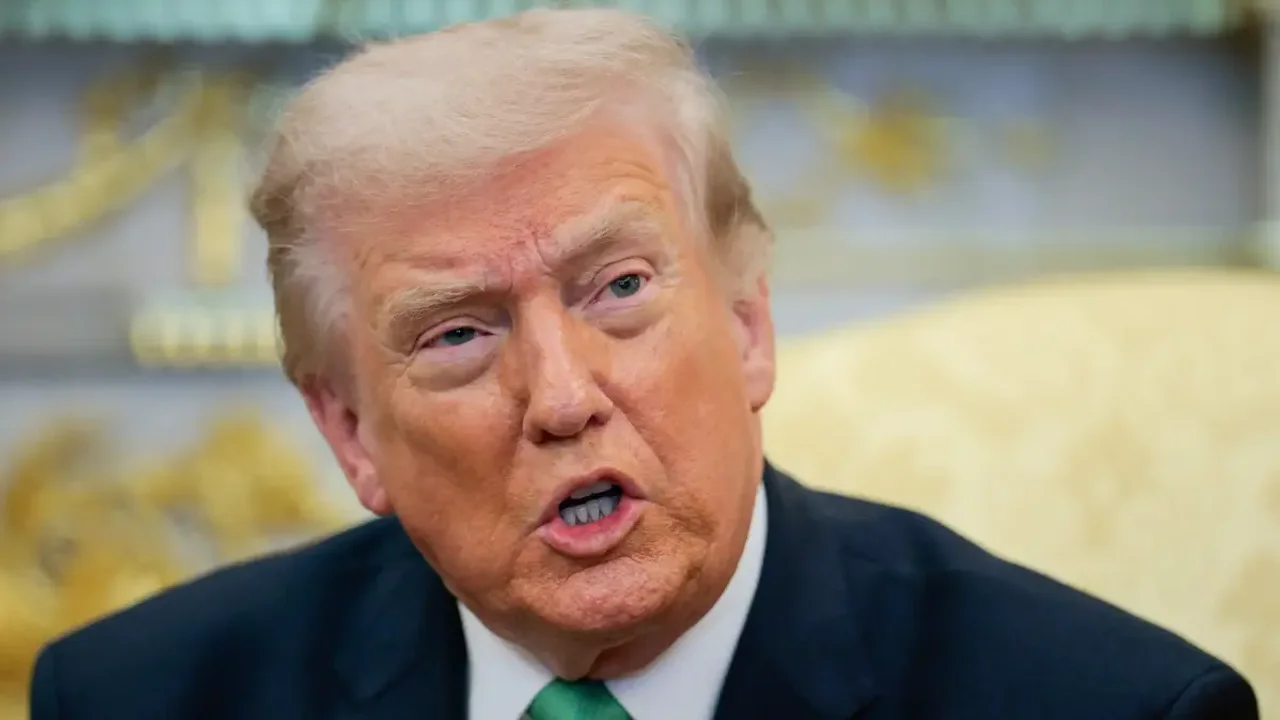
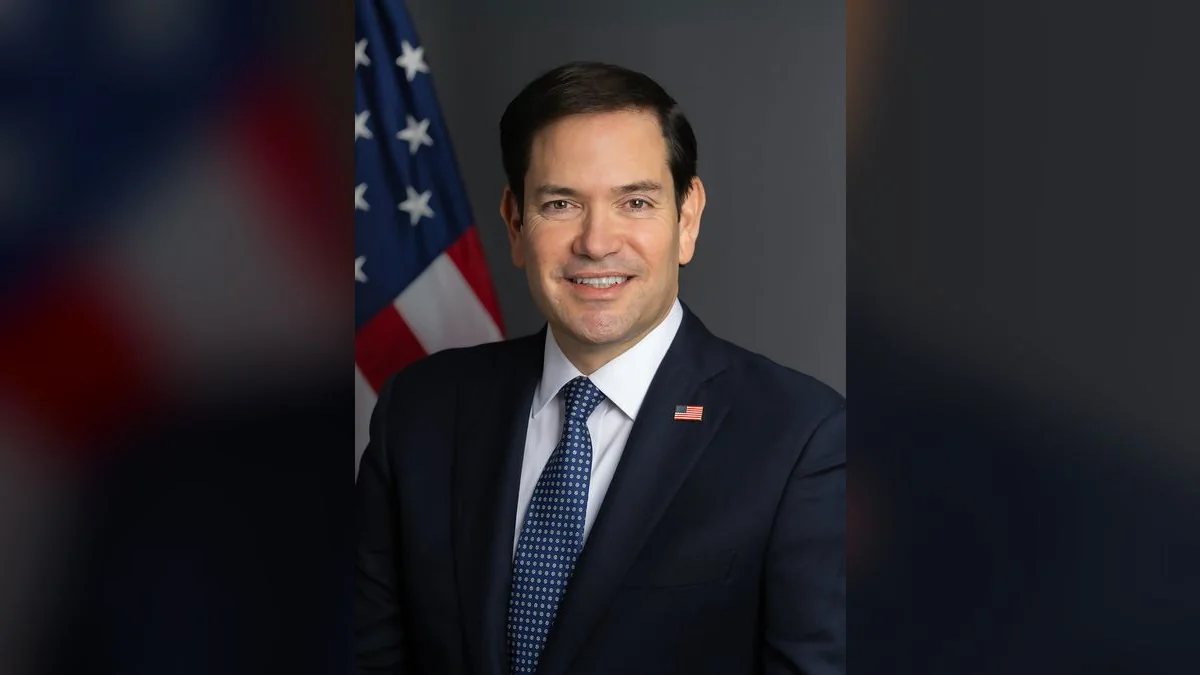
A comprehensive report reveals that impending Republican losses in the 2026 midterms sparked panic among Trump's top strategists. Driven by inflation, an unpopular war with Iran, and economic anxiety, Democrats secured control of both congressional chambers.
Days before the 2026 midterm elections, top strategists for US President Donald Trump convened a private video call marked by dark humor and foreboding. According to an extensive investigation by The New York Times, campaign officials were acutely aware of an impending political disaster. Tony Fabrizio, the president's chief pollster, opened the discussion with grim banter about cyanide pills, while James Blair, who left the White House to oversee the election strategy, jokingly suggested preparing wills as the discussion drifted into funeral arrangements and talk of fleeing the country.
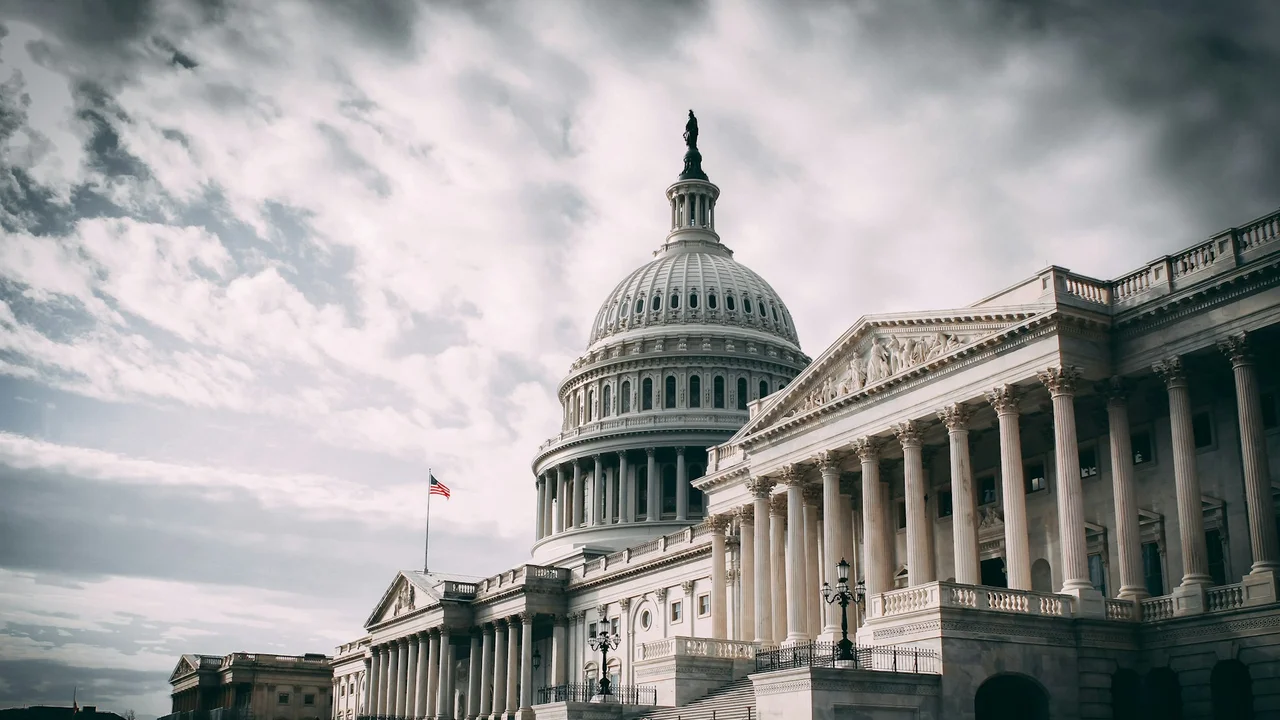
The Republican collapse materialized precisely as feared a week later. Democrats seized control of the Senate and secured a massive majority in the House of Representatives, driven by historic victories in deep-red strongholds such as Kansas, Texas, and South Carolina. According to the report, the Republican Party is projected to lose the nationwide congressional vote by approximately 13 percent, marking its most severe defeat since the Watergate scandal of the 1970s.
The historic rout, despite a staggering $400 million war chest and a sympathetic conservative Supreme Court, was largely fueled by public discontent with President Trump and an unpopular war with Iran. The conflict resulted in the closure of the Strait of Hormuz and soaring fuel prices exceeding $4 per gallon in the United States. Trump, who had campaigned on avoiding foreign conflicts, found himself embroiled in a war that reignited inflation, while Republican hopes for a ceasefire were dashed by internal pressures.
Public frustration was further compounded by corruption scandals and controversial campaign tactics. Investigations alleged that the president and his associates leveraged their positions for personal enrichment, making ethics a central voter concern. During a special campaign rally in Dallas in September, Trump unexpectedly promised a $5,000 cash grant to every American citizen, conditional on a Republican victory—a move insiders dismissed as a transparent attempt to use public funds to sway voters.
Compounding these challenges were polarizing candidate selections. Trump promoted inexperienced nominees such as Darlene Graham in South Carolina and Attorney General Ken Paxton in Texas, who primaried an incumbent Republican senator. The Texas primary forced Republicans to expend nearly $300 million, while tech billionaire Elon Musk injected over $450 million into campaigns nationwide to bolster the party. Despite the massive financial injection, Paxton ultimately lost by a stinging 12 percent margin, reflecting a deep disconnect between Trump and Senate Republican leadership.
In stark contrast, Democrats led by Senator Chuck Schumer executed a disciplined and strategic campaign. They recruited appealing candidates with populist backgrounds, including military veterans, physicians, and farmers, while thwarting Republican efforts to alter congressional district maps. By relentlessly focusing their messaging on the cost of living and a struggling economy, Democrats achieved a historic political shift. Following the landslide, Democratic Representative Hakeem Jeffries of New York is poised to become the first Black Speaker of the House in US history next January.