US Grants Federal Recognition to Over 900 Medical Cannabis Dispensaries
The US Department of Justice has granted federal DEA recognition to over 900 medical cannabis dispensaries across seven states, marking a historic shift in federal drug policy.
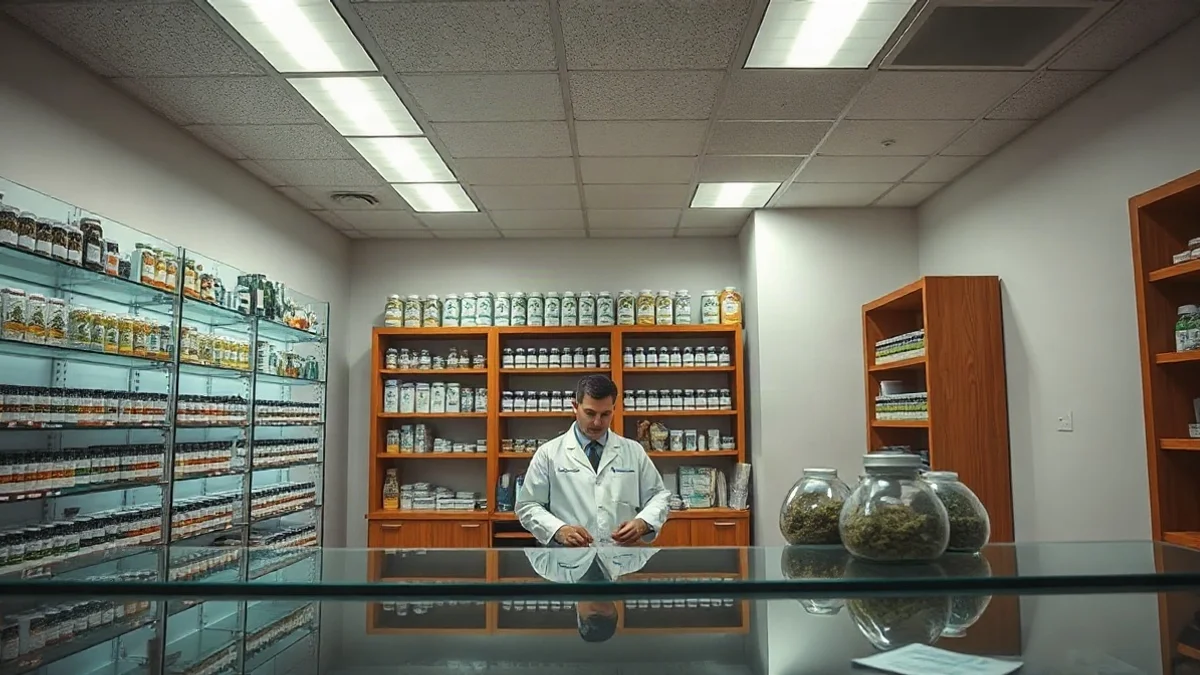
In a historic shift after decades of federal opposition, the United States administration has granted federal recognition to medical cannabis dispensaries. The Department of Justice announced that more than 900 dispensaries across seven states, including Texas and Florida, have received official approval from the Drug Enforcement Administration (DEA).
Until recently, these businesses operated in a legal gray area, authorized by state laws while classified as illegal under federal statute. The initial permits were issued to establishments in Alabama, Florida, Mississippi, South Dakota, Texas, Virginia, and West Virginia. Each location underwent federal vetting to verify state licensing and compliance with security and inventory controls.
According to the DEA, nearly 7,000 businesses nationwide have submitted applications under the new framework, including more than 4,000 storefronts alongside cultivators and distributors. The move follows an April directive by the Department of Justice to reclassify medical cannabis from Schedule I to Schedule III under the Controlled Substances Act, moving it away from substances like heroin and aligning it with controlled medical treatments.
"The American people deserve access to the world's best medical treatments," said Attorney General Todd Blanche, emphasizing that regulated distribution will expand access to chronic pain management while maintaining public safety. He noted that the Justice Department will continue prosecuting illicit trafficking.
The federal registration also delivers major economic relief. Previously, cannabis businesses faced severe tax burdens, barred from deducting standard operational expenses such as payroll and rent due to their Schedule I status. DEA registration is expected to unlock significant tax deductions.
The approvals coincide with the 30th anniversary of California becoming the first state to legalize medical cannabis in November 1996. Medical marijuana programs currently operate in 40 states.
Steph Sherer, founder of Americans for Safe Access, hailed the registration as a major victory for patients. However, federal recognition does not constitute Food and Drug Administration approval of the plant itself, and recreational marijuana remains federally prohibited.