Wave of Art Thefts Across Europe Sparks Security Concerns in Museums
A wave of art thefts targeting museums in France, Italy, and Spain has sparked security concerns. Investigators note criminals exploit smaller institutions, prompting a push for AI surveillance and tighter measures.
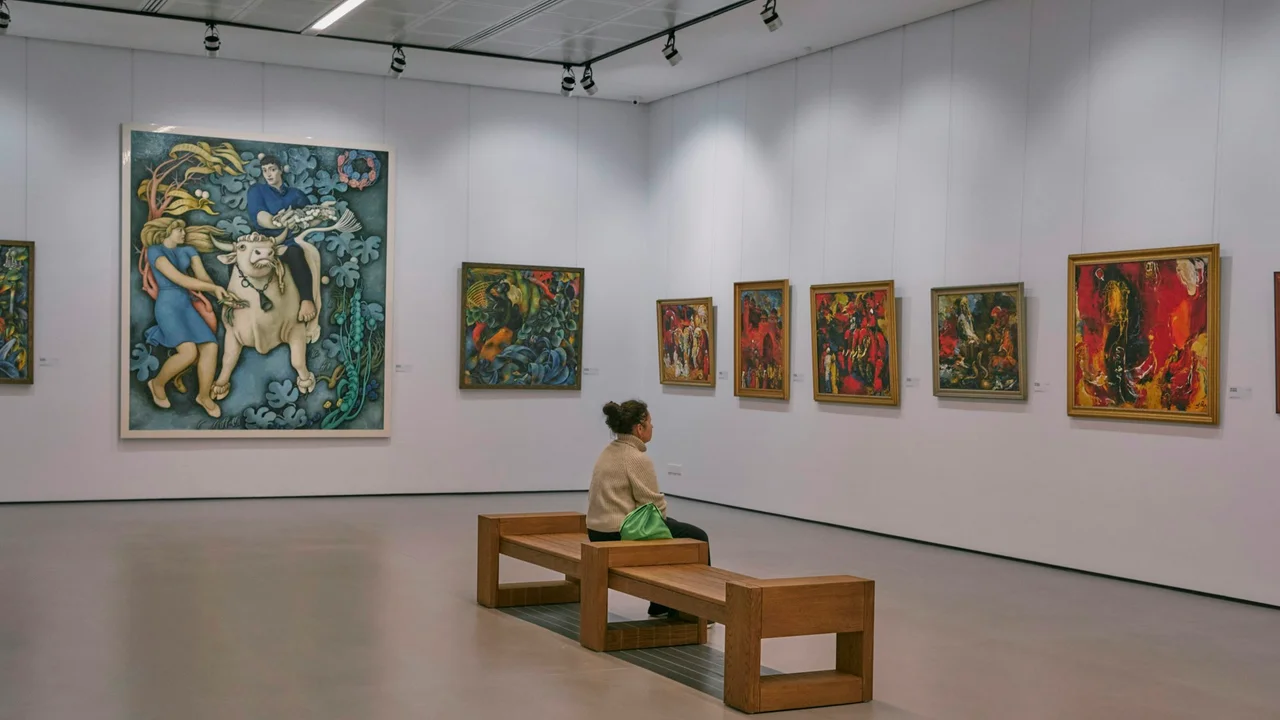
A wave of art thefts targeting museums across France, Italy, and Spain has sparked serious concern among cultural institutions. Investigators have dubbed this trend the "Louvre effect," noting that criminals are increasingly exploiting smaller institutions operating with limited resources to secure valuable collections.
A prominent example occurred on March 22 at the Magnani-Rocca Foundation museum near Parma, Italy. Two masked individuals wearing headlamps broke into the building through a window, removing works by Cézanne, Renoir, and Matisse valued at approximately $10 million in just three minutes. An accomplice discharged a fire extinguisher at the main gate to distract the guard when the alarm was triggered.
Similar heists have recently occurred across Europe. In August, works by Antonello da Messina were stolen in Sicily, and in September, two paintings by Renoir were taken from a museum on the French Riviera. In Spain, thieves escaped with hundreds of ancient gold coins and Bronze Age treasures from several regional museums.
Security Vulnerabilities and New Measures
A 2024 survey by the French Ministry of Culture revealed that only one in four cultural institutions has a risk prevention plan. Furthermore, nearly half operate without security cameras altogether. In response, the ministry announced a 33-point plan in July, backed by a 30 million euro budget over three years.
In Italy, where cultural heritage is distributed across more than 4,400 institutions, the situation is equally complex. Carabinieri police data indicate a concerning upward trend, with 17 museum and gallery thefts recorded in 2025, compared to 14 the previous year. A Europol report released in August warned that these thefts are becoming increasingly aggressive.
Smuggling, Insurance, and Artificial Intelligence
Stolen artworks are difficult to sell openly, meaning they are frequently used for extortion or channeled through private illicit networks. This past August, Carabinieri investigators located the three stolen masterpieces from Parma hidden inside a cardboard box in an apartment. Five Moldovan nationals were arrested after wiretaps revealed they attempted to sell the stolen pieces to buyers in Eastern Europe and Russia.
The surge in thefts has prompted insurance companies to reevaluate their policies and explore innovative approaches. Among the solutions being examined is the use of artificial intelligence to analyze security camera footage in real-time to detect suspicious behavior. Museum directors now face a difficult dilemma: significantly tightening physical security without compromising the open, accessible character of cultural institutions for the general public.