Costa Rica's Rebecca Grynspan Leads UN Secretary-General Race in Straw Poll
Costa Rica's Rebecca Grynspan leads the UN Secretary-General race with 11 votes in a Security Council straw poll, while new candidates from the UAE and Turkey enter the contest.
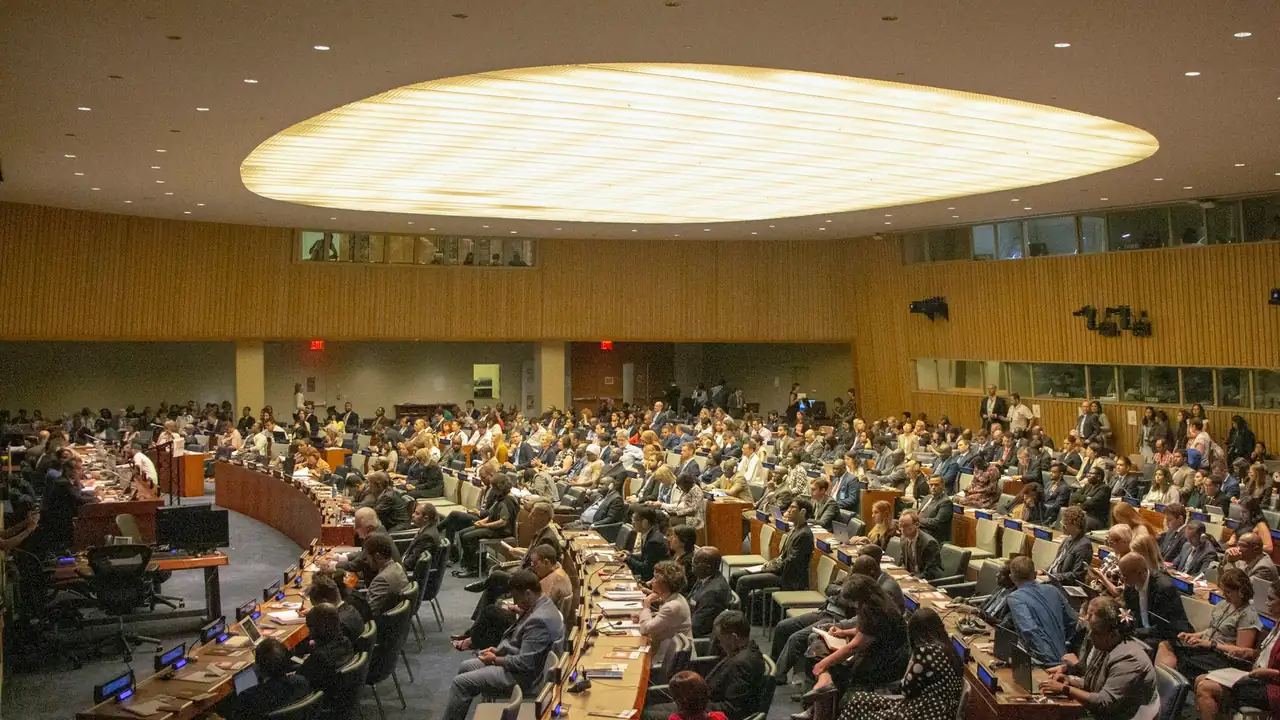
Rebecca Grynspan of Costa Rica continues to lead the race for the next Secretary-General of the United Nations, securing 11 votes in a straw poll conducted by the UN Security Council. The result strengthens her position despite the late entry of new candidates into the campaign.
The straw polls are informal votes designed to gauge candidates' prospects. In the seventh poll, conducted with uniform ballots without distinction between the five permanent members and the ten elected members, Grynspan finished first for the sixth time out of seven. She recorded her best result to date with only four negative votes. Rafael Grossi, Director General of the IAEA from Argentina, came in second with nine votes.
Lana Nusseibeh, the former UAE ambassador who recently joined the race, took fourth place with seven votes. Her candidacy has faced criticism amid allegations that her country is aiding a militia accused of war crimes in Sudan. Nusseibeh stated this week that ending the war in Sudan would be her top priority if elected.
In an attempt to exploit disagreements over a single consensus candidate, Turkey entered Feridun Sinirlioglu into the race. Sinirlioglu is a former Turkish foreign minister and ambassador to the UN and Israel, and his candidacy was personally promoted by President Recep Tayyip Erdogan. Although he has not yet faced a vote, his entry signals Ankara's desire to influence the succession of Antonio Guterres, whose term ends on December 31, 2026.
Securing the Security Council's recommendation requires at least nine votes without a veto from any of the five permanent members. Grynspan, the daughter of Holocaust survivors who immigrated to Costa Rica, previously headed UNCTAD, which has published critical reports regarding Israel. Despite her consistent lead, the final outcome will depend on a candidate's ability to navigate the conflicting interests of major powers ahead of the official vote.