Tel Aviv Court Rejects 3.1 Million Shekel Tax Refund for Luxury Penthouse
A Tel Aviv appeals committee dismissed a businessman's request for a 3.1 million shekel tax refund on a 2015 luxury penthouse purchase, ruling that the principle of finality in tax assessments supersedes an overdue correction.
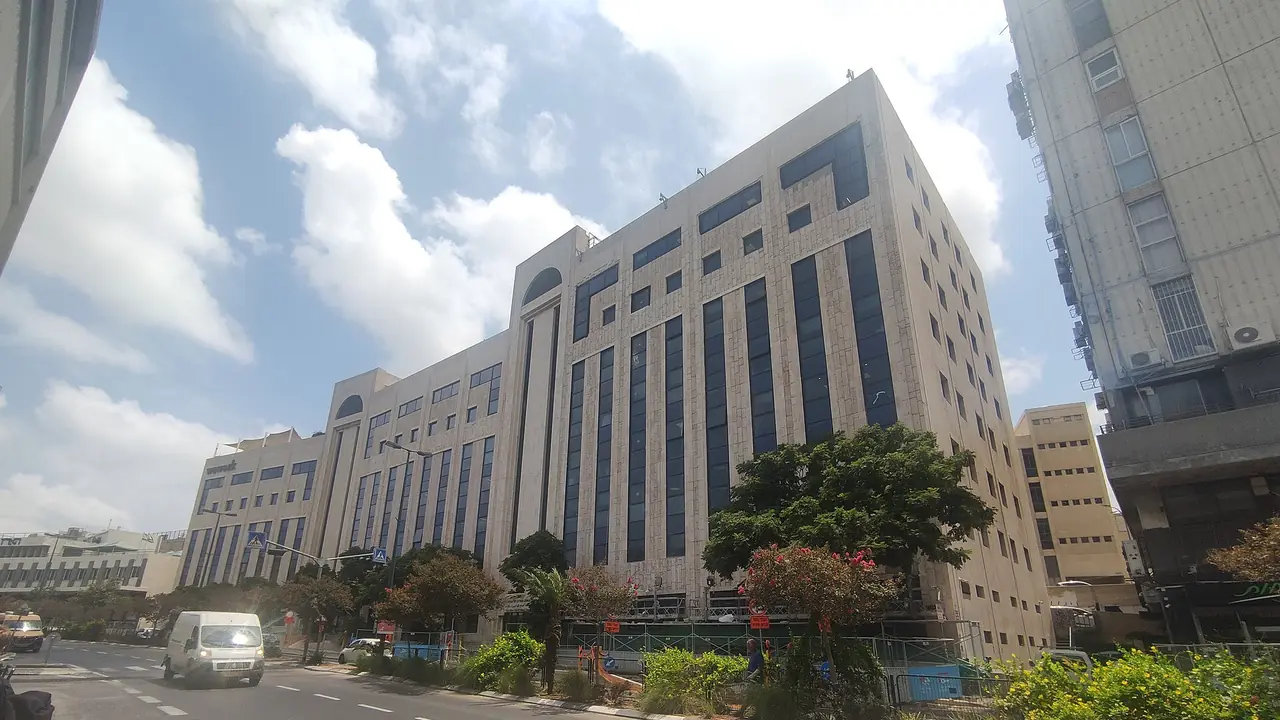
A Tel Aviv appeals committee has rejected a businessman's request for a 3.1 million shekel tax refund on a luxury penthouse purchased in 2015 for 64 million shekels. Committee Chairman Judge Harry Kirsh ruled that there was no justification for a retroactive tax assessment correction, despite the likelihood that excess tax had been paid.
The property, a 667-square-meter duplex penthouse on the 26th and 27th floors of a luxury tower, was bought from two members of a purchasing group. Although the apartment was in shell condition with no interior partitions or finishing works at the time of purchase, it was reported to the Tax Authority as a completed residential apartment. Consequently, the buyer paid approximately 6.3 million shekels in purchase tax under residential brackets, rather than the 5% rate applicable to non-residential land rights.
In 2017, Tax Authority representatives inspected the property and found it uninhabitable, leading to corrected capital gains tax assessments for the sellers. In June 2020, the buyer requested a correction to his own assessment to reduce the tax to 3.2 million shekels, but his request was denied. The buyer argued that the Tax Authority should have updated his classification as well and claimed he was not informed of the sellers' assessment corrections.
The Tax Authority's representative argued that the property's condition was known to the buyer from the outset, meaning no new facts justified a correction. Judge Kirsh upheld this position, emphasizing that the buyer knowingly signed a declaration stating the apartment was completed, partly to benefit the sellers. The judge noted that the buyer failed to act promptly even after being questioned in 2018, ruling that the principle of finality in tax assessments must outweigh the retention of excess tax in this case. The appeal was dismissed, and the buyer was ordered to pay 40,000 shekels in legal costs.