Oil Prices Drop 3% as US-Iran Diplomatic Hopes Ease Supply Fears
Oil prices fell over 3% on Monday as US-Iran diplomatic hopes eased supply fears. Brent dropped to $110 and WTI to $100 per barrel following reports of delayed military action.
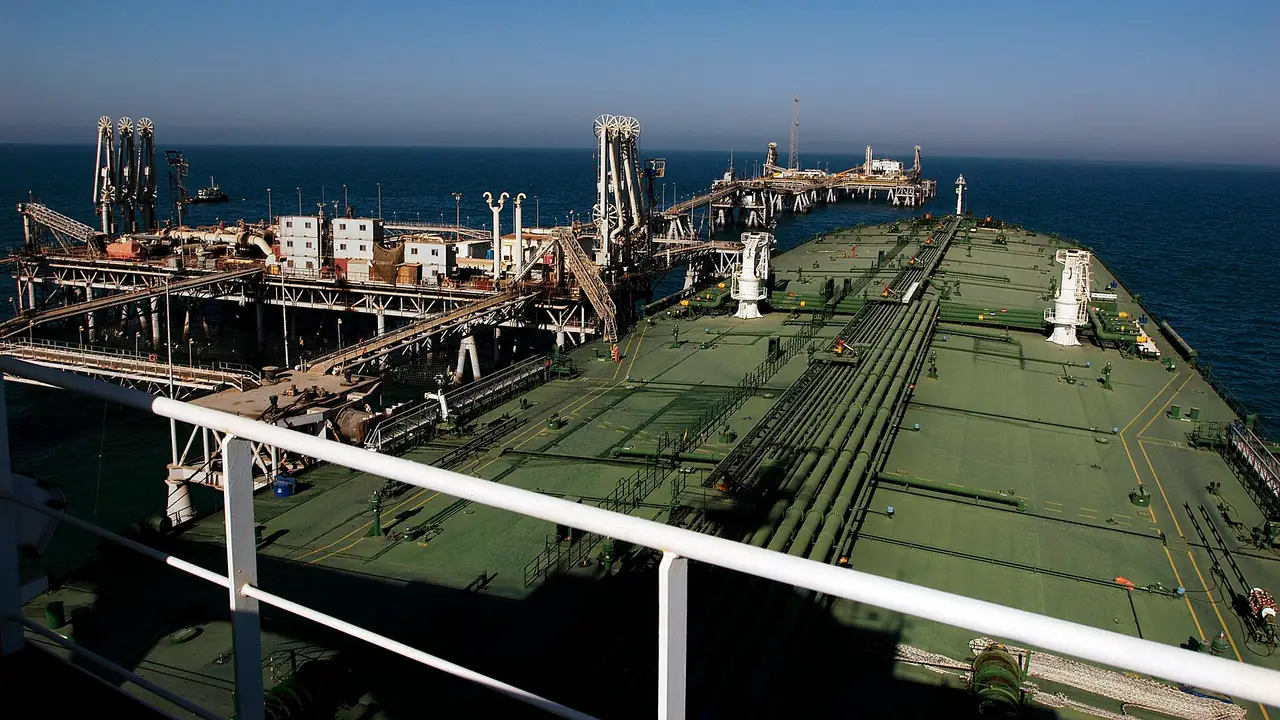
Oil prices dropped by more than 3% on Monday morning amid hopes for diplomatic progress between the United States and Iran. This decline follows a surge to a six-month high last week, driven by fears of a wider escalation and energy supply disruptions in the Middle East.
Brent crude fell by approximately 3.2% to around $110 per barrel, while US West Texas Intermediate (WTI) lost about 3.3% and traded near $100 per barrel.
The primary catalyst for the drop is a Bloomberg report indicating that US President Donald Trump is willing to give diplomacy with Iran more time before deciding on military action. According to reports, Trump spoke with Prime Minister Benjamin Netanyahu and expressed a preference for pursuing a diplomatic track at this stage. Concurrently, an Iranian delegation arrived in Qatar for talks with mediators to advance a settlement to end the conflict.
Despite the retreat, risks in the energy market remain significant. Over the weekend, reports emerged of vessel strikes near the Strait of Hormuz, a vital maritime chokepoint through which a substantial portion of global oil supplies passes. Any disruption to maritime traffic in the region could trigger supply bottlenecks and renew upward pressure on prices.
Further supporting price floors is the recent decision by OPEC+ nations to keep production targets unchanged for December. This policy limits any immediate prospect of a substantial supply boost from the alliance.
High Market Uncertainty
Despite Monday morning's downward correction, uncertainty in the oil market remains elevated. If diplomatic efforts gain traction, the geopolitical risk premium could shrink, placing further downward pressure on prices. Conversely, a resumption of military strikes or fresh incidents in the Strait of Hormuz could quickly revive supply scarcity fears and drive prices back up.