Israel Signs 28 Billion Shekel Public Transit Reform Agreements
Israel signed 28 billion shekels in public transit agreements with major bus operators, shifting compensation models to tie operator revenue directly to passenger validation and service quality.
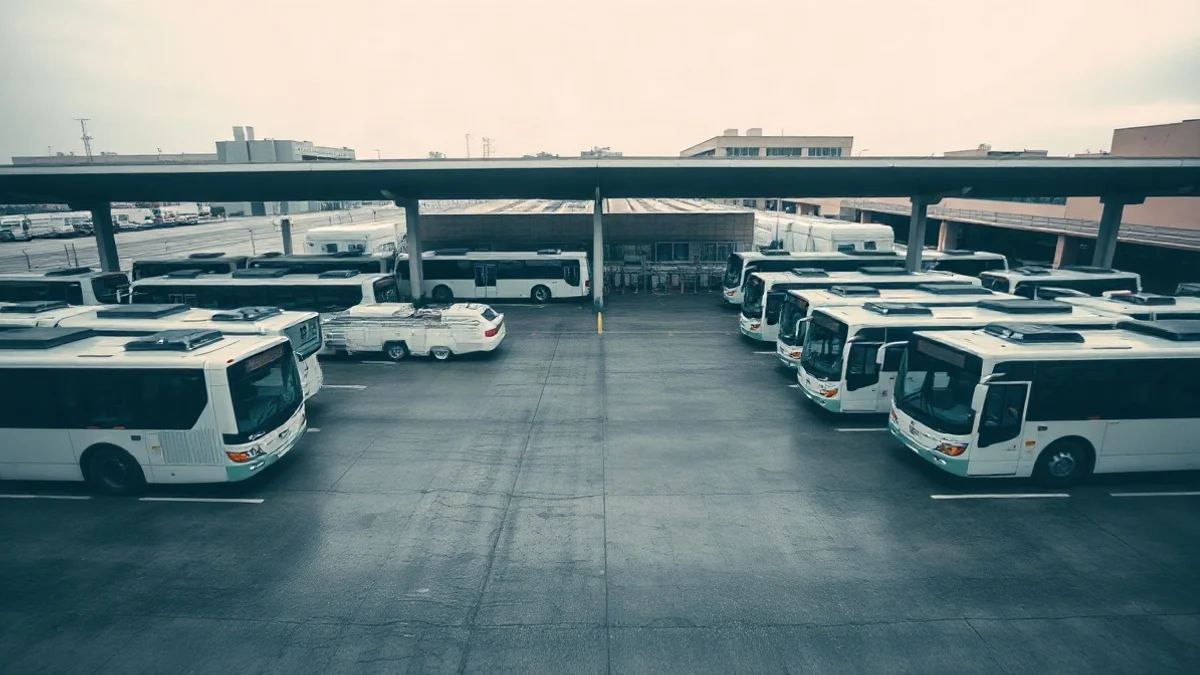
Israel's National Public Transport Authority and leading bus operators have signed comprehensive sectoral adjustment agreements totaling 28 billion shekels, following months of extensive negotiations.
The sweeping reform aims to reshape the country's public transit sector by shifting away from the traditional model where companies were compensated solely based on kilometers traveled. Under the new framework, approximately 15 percent of operator remuneration will be tied directly to passenger validation counts and service quality, while 85 percent will remain a fixed payment per kilometer.
Restructuring Routes and Incentives
As part of the overhaul, low-demand routes will be thinned out, and services will be redirected toward high-density corridors. In addition, the Ministry of Transport intends to accelerate the pace of competitive new tenders to improve overall network efficiency.
Generation Capital informed the Tel Aviv Stock Exchange that its subsidiary Metropoline, which is approximately 79 percent owned by the fund, signed an industry regulation agreement with the Ministry of Transport. Metropoline currently operates about 1,800 buses across four major clusters: the Negev, Sharon, Sharon-Holon, and Ono-Elad regions.
Franchise Extensions
The agreement extends the operational period for these clusters by an additional four years beyond the original franchise expiration dates. The restructuring also updates service maps to optimize passenger journeys.
Idan Moalem, head of the National Public Transport Authority, praised the milestone agreement. "By demonstrating professional dialogue and determination, we have proven that we can lead a profound structural change that places the passenger at the center and ties financial incentives to service quality," Moalem stated, while acknowledging the support of Minister of Transport Miri Regev and government budget officials.