Bedouin Turnout Surges in Negev as Ra'am Dominates Local Elections
A surge in voter turnout among the Bedouin community in the Negev has reshaped the political map, with Ra'am capturing massive support as traditional and Zionist parties plummet.
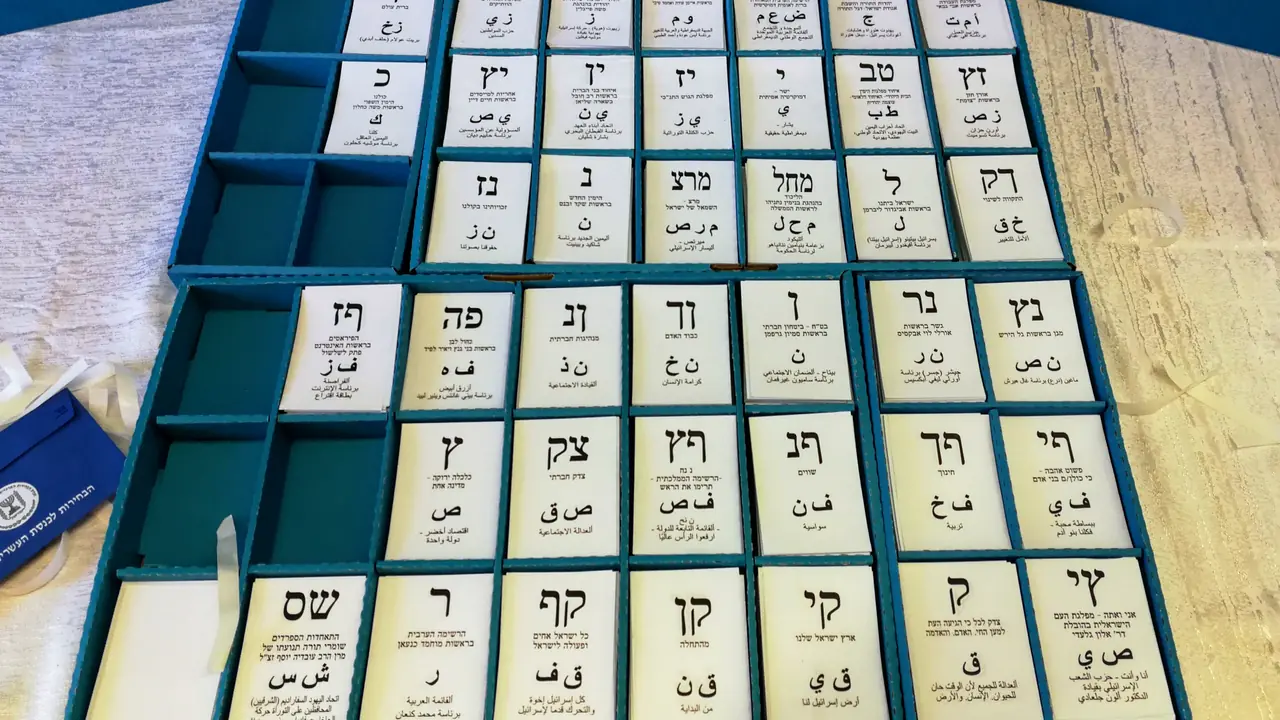
A dramatic shift in voter turnout and political allegiance across the Bedouin society in the Negev has reshaped the local electoral landscape, according to a study by the Riffman Institute for Negev Development. While voter turnout in seven Bedouin townships surged to 83.4%—compared to 51% in 2022 and 37.1% in 2019—mainstream and traditional parties experienced severe losses.
The Likud party almost entirely lost its foothold in several towns. In Tarabin al-Sana, where Likud was previously the leading party with 58.9% of the vote in the previous election, it plummeted to just four votes, or 0.7%, while Ra'am captured 92.8%. Similarly, in Segev Shalom, Likud dropped to just 11 votes. Meanwhile, the Joint List suffered a major blow in Rahat, the largest Bedouin city, dropping from 26.6% to 13.1%.
In contrast, the Ra'am party emerged as the dominant political force, collecting 76,047 votes across the seven townships, representing 83.4% of valid ballots. Including the unrecognized diaspora and regional councils, where support ranged between 90% and 98%, the Negev secured Ra'am more than two full mandates—roughly a quarter of its total eight Knesset seats.
Institute director Chagai Reznik noted that the surge in participation occurred despite ongoing tensions, enforcement operations, and house demolitions. Reznik warned that the sweeping shift to Ra'am is a direct warning sign to the government regarding its grip on the region, urging the immediate implementation of a national emergency plan for the Negev before the state loses its foothold entirely.