Knesset Finance Committee Set for Reconstitution Amid Intense Leadership Race
The powerful Knesset Finance Committee is set to be reconstituted next week, sparking an intense political race for its chairmanship amid severe economic challenges and looming budget deficits.
The Knesset Finance Committee, widely considered the most powerful parliamentary panel in Israel, is expected to be reconstituted next week following the swearing-in of the 26th Knesset and the establishment of the House Committee. The race for the committee chairmanship is already underway, positioning its future head as one of the most influential political figures in the country until a new government is formed.
Under parliamentary tradition, the Finance Committee and the Foreign Affairs and Defense Committee are established immediately after lawmakers take their oaths. While the Foreign Affairs and Defense Committee holds immense prestige, it lacks broad legislative and executive authorities. In contrast, the Finance Committee wields direct control over the state budget, taxation, structural economic reforms, and government spending allocations.
Behind the scenes, intense lobbying is underway for the chairmanship. Five prominent candidates have emerged, bringing substantial economic and parliamentary expertise. These include Shaul Mofaz's son and former Budget Director Shaul Meridor, former Treasury and Transportation Ministry Director-General Keren Terner Eyal, veteran legislator Oded Forer, former minister Orit Farkash-Hacohen, and social-economic advocate Naama Lazimi.
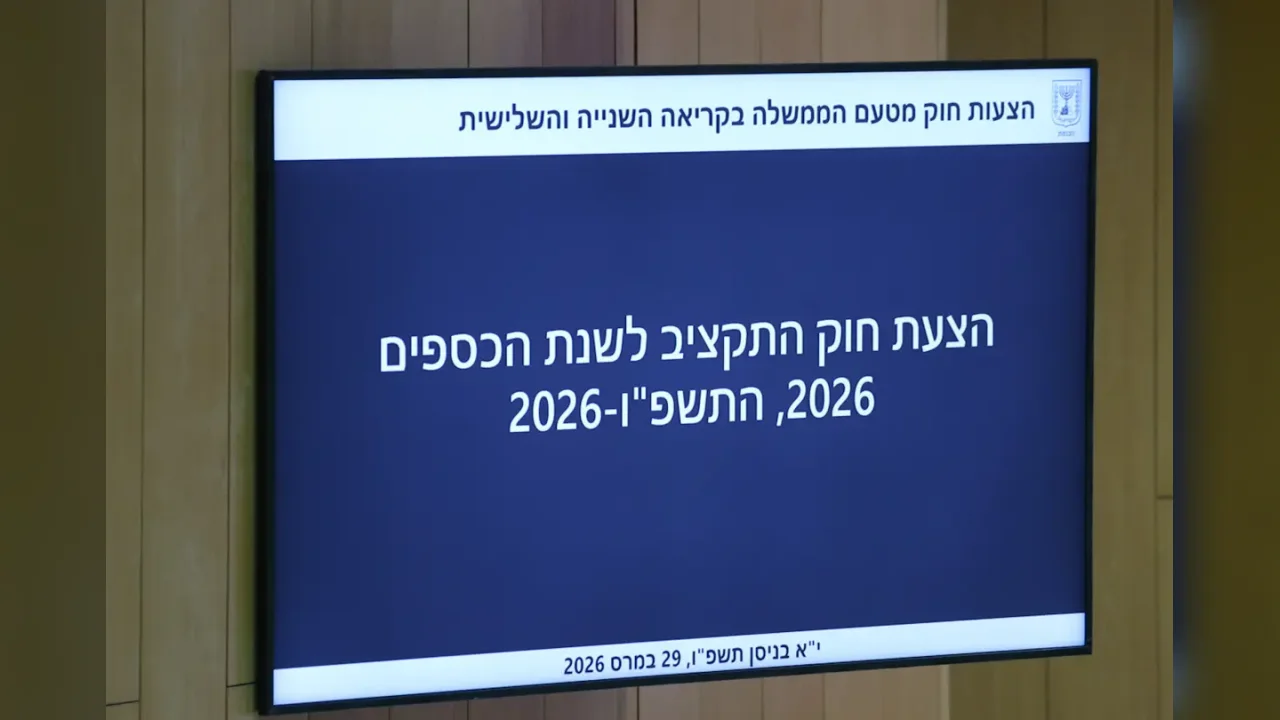
The new committee will assume its duties amid severe economic uncertainty, marked by currency fluctuations and a looming budget deficit driven by defense expenditures. Economists warn that 2027 is on track to begin under a continuous budget framework—operating on a monthly one-twelfth allocation of previous budgets—for the sixth time in seven years. The committee's immediate test will be navigating a massive 25 billion shekel defense budget increase request, which threatens to trigger sweeping austerity measures, public spending cuts, and new taxes.