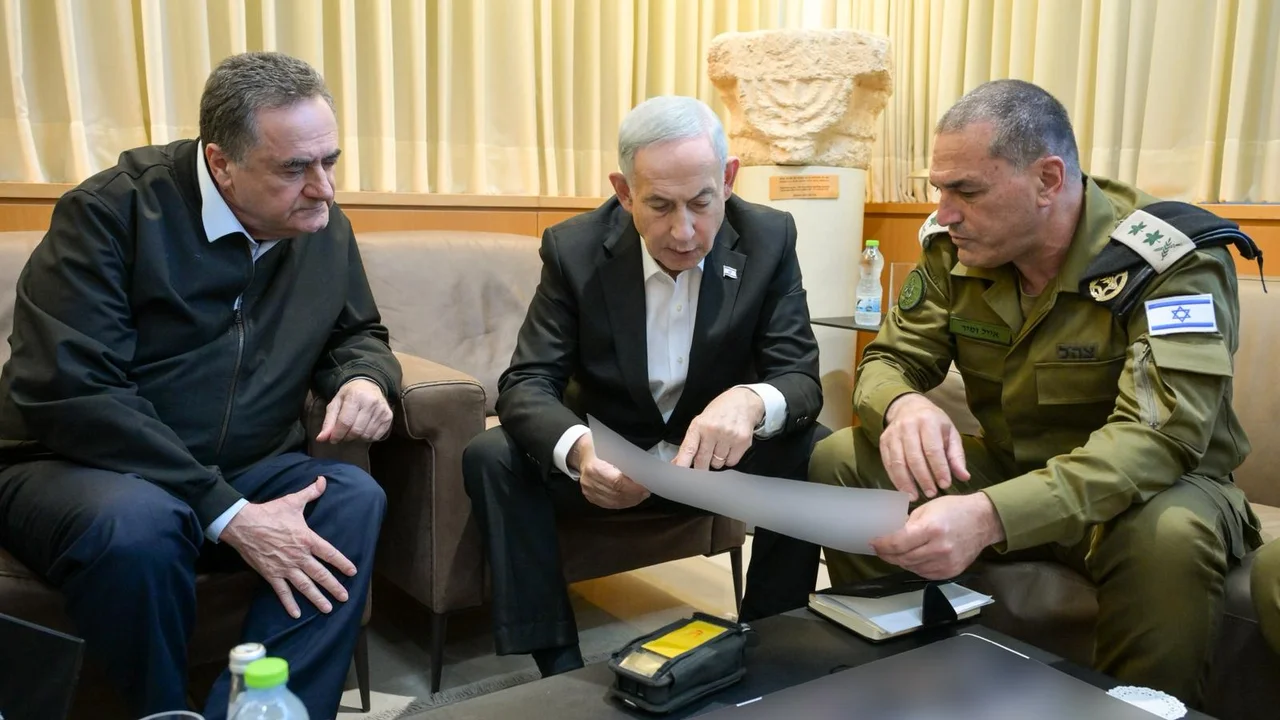
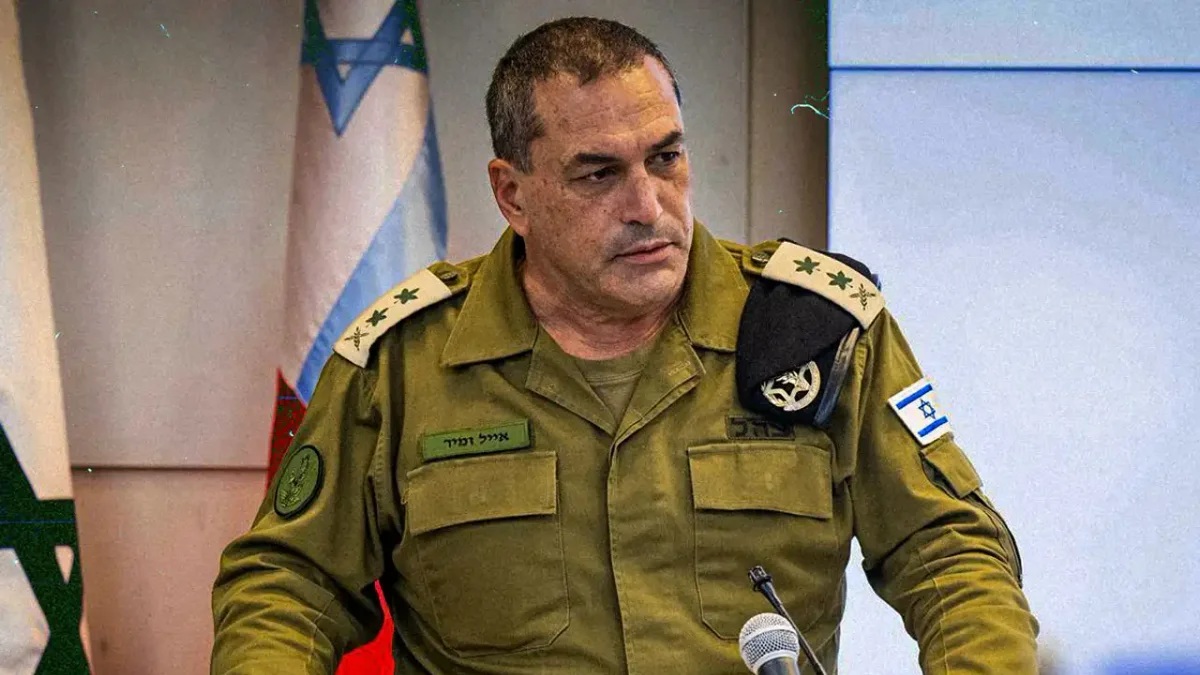
Gofman's true test: not whom he appoints, but what institution he will build
Against the backdrop of leadership turmoil, the new head of the Mossad is required, early in his tenure, to rebuild the organization's capabilities, adapt it to changing regional challenges, and prepare for the next campaign. Since a significant portion of the organization's capabilities has been depleted, his test lies less in the application of force and more in the ability to rebuild it.
Mossad chief Roman Gofman took office on June 2, 2026, but the period since has been characterized by significant media noise, contrary to what is expected of a secret organization. Part of this stems from Prime Minister Benjamin Netanyahu's decision to appoint him, a young Aluf, to lead the agency, and part from three leadership appointments that followed.
These appointments have been received controversially, particularly within the intelligence community. Former senior officials are surprised by the pace of change, and segments of the public are showing keen interest. Days after taking office, Gofman sparked his first media storm by showing his deputy the door. While some might call it a natural move, other personnel changes have triggered similar media headlines.
The tenure of the previous Mossad chief, Dadi Barnea, was defined by challenges of historical scale, successes, and tensions. Unresolved questions from that period will undoubtedly surface when a state commission of inquiry is eventually established.
A significant portion of the Mossad's capabilities appears to have been depleted through successful and effective operations. Similarly, Aman exhausted much of its target bank during Operation Roar of the Lions. Since then, Aman chief Shlomi Binder and his team have been working around the clock to refine and build a new target bank with dramatic influence on the extremist regime in Iran.
Criticism directed at Gofman includes calls for "industrial quiet," greater focus within the leadership, and a priority on force buildup and the establishment of innovative, groundbreaking infrastructure. This is essential to align with government policy in the face of challenges that have grown exponentially over the past year.
Why is this critical? Some operations revealed in foreign and Israeli media were years in the making—some 15 to 20 years. The Mossad has always targeted senior enemies and key figures, but the question is whether Gofman can succeed in creating a broad, stable, and influential infrastructure that shifts the strategic balance.
Therefore, Gofman's greatest challenge will be the force buildup of the Mossad, not necessarily the application of force. He has entered an organization that functions like a family, and to stabilize the system, he must acknowledge that his appointment is an exceptional event creating waves of change. Despite the criticism, some in the security establishment claim he is investing all his energy into analyzing regional processes and calculating strategic steps to adapt to a "new process."
So little time has passed since he took office that even the most thorough handover cannot bridge years of gaps for an organization living in the shadows. To produce a strategic process that matches the organization's needs, Gofman must promote a significant lesson-learning process with all community organizations, including the IDF and the political echelon, to further refine operations.
The challenge is immense, especially as new players challenge Israel and the existing order. The Mossad is not accustomed to working on short timelines—neither from today to tomorrow, nor from today to a year from now. The organization requires industrial quiet and experienced personnel. Every day that passes does not return. Furthermore, to convince foreign partners of joint action, one must reflect proven capability—not just ideas from a drawer.