The pilot project in southern Lebanon is stuck - and Hezbollah is moving to guerrilla warfare
The Lebanese Army is avoiding searches in homes and terrorist infrastructure, while disputes over oversight mechanisms delay the IDF's withdrawal. Meanwhile, Hezbollah is shifting its tactics: moving away from large-scale invasion plans toward small-squad guerrilla activity, ambushes, and explosive drones. Israel is leveraging American pressure, warning that any escalation with Iran will reignite the northern front.

It is now clear that the mechanism intended to bring quiet to the northern border is faltering. The pilot project in southern Lebanon—a program designed to pave the way for the demilitarization of Hezbollah south of the Litani, the withdrawal of the IDF, and the transfer of authority to the Lebanese Army—is not progressing as expected.
Security officials identify that the Lebanese Army is encountering significant difficulties and is failing to act in accordance with its goals. Due to legal limitations, its soldiers avoid conducting searches in homes and terrorist infrastructure within villages, preferring to focus solely on open and public areas.
Beyond the difficulties on the ground, the root of the problem lies in the political sphere. No agreement has been reached on who will oversee the Lebanese Army's operations, what criteria it must meet, or the exact conditions the IDF requires for a withdrawal. A previous proposal to involve Italian forces in the oversight process has yet to materialize.
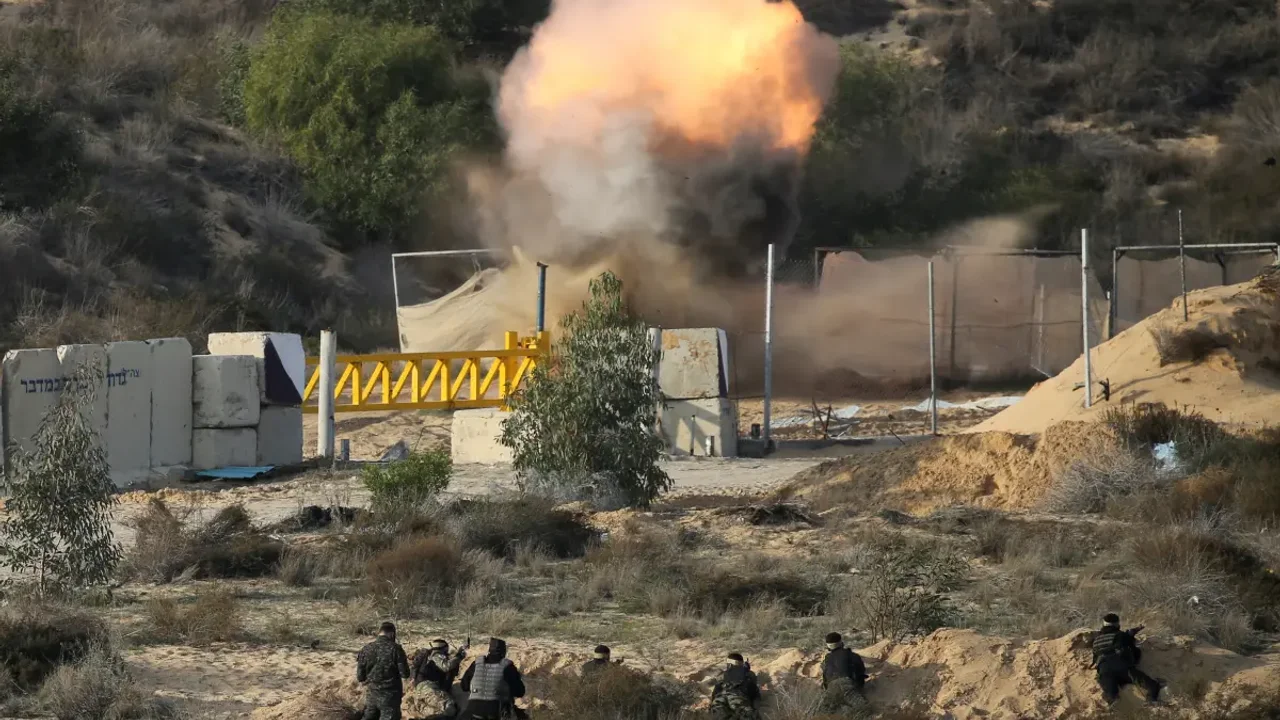
This deadlock has two sides. On one hand, it provides the IDF with vital room for maneuver to complete its mission on the Ali-Taher ridge, where dozens of Hezbollah terrorists are currently trapped. It also allows forces to improve their holding model, establish better control infrastructure, and continue clearing the area of assets Hezbollah has developed over the years.
On the other hand, a prolonged stay in southern Lebanon raises familiar concerns about returning to the difficult days of the past. Meanwhile, fighting on the Ali-Taher ridge is creating significant tension within Hezbollah, as evidenced last night when the organization launched two explosive drones toward IDF forces. The incident resulted in no casualties after one drone was intercepted and the second crashed.
A study by the Alma Center for the Study of Security Challenges in the North points to a profound shift in Hezbollah's operational pattern. After the threat of an invasion of the Galilee was dealt a fatal blow and the Radwan force infrastructure was destroyed, the organization abandoned broad systemic plans in favor of decentralized guerrilla activity in small squads, similar to the format seen in the Gaza Strip.
Security sources note that Hezbollah continues to collect intelligence on IDF soldiers, mapping locations and studying operational methods in preparation for a scenario involving infiltrations, ambushes, explosive drones, and the deployment of explosive devices.
To break the deadlock, Israel is applying American pressure on the Lebanese government and its army. Security officials believe that completing IDF operations on the Ali-Taher ridge, alongside US-mediated political contacts, will force the parties to move forward, establish an agreed-upon enforcement force, and set clear criteria.
In the Northern Command, preparations are underway for the winter season and the upcoming holiday period, including drills for combat in extreme weather conditions. The tactical level is focused primarily on countering the drone threat. "We will arrive at the next round better prepared," a security official told Ynet.
The work performed by the IDF during the current maneuver, which began with Operation "Lion's Roar," has severely damaged nearly all of Hezbollah's systems. Ultimately, the reality on the northern border remains a direct derivative of the balance with Iran. Security officials estimate that if the situation between Washington and Tehran escalates, it will immediately impact the Lebanese arena. Amidst tense conversations between Prime Minister Benjamin Netanyahu and US ambassadors, the region is once again reaching a boiling point.