The new reality show of the summer
In the case of Meli and Liel Yahalomi, there is more hidden than revealed, but one thing is clear: the police have been swept away by the pursuit of ratings and PR.

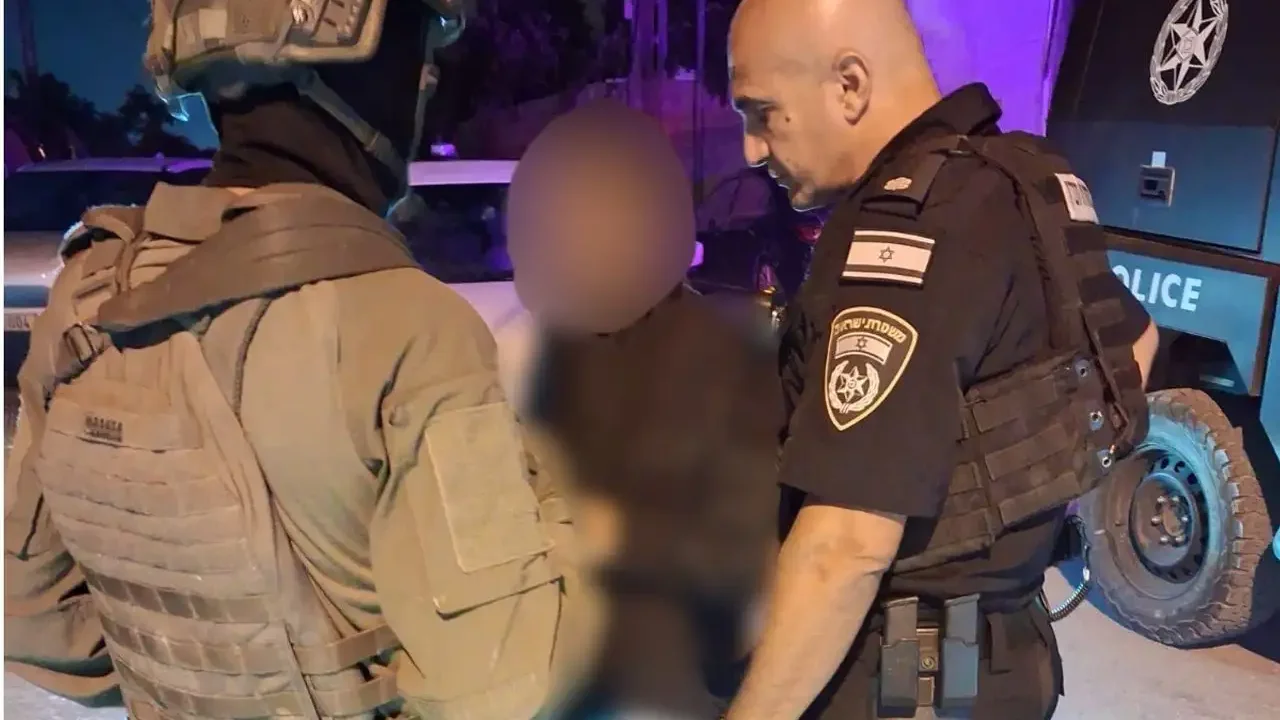
Less than twenty minutes passed between the moment the Israel Police published the announcement about the location of Meli and Liel Yahalomi in Buenos Aires and the subsequent announcement of their release. While the police representative in South America was still questioning the mother and daughter more than 12,000 kilometers away, the police spokesperson's office had already distributed footage of their discovery by Interpol and the police on a bus. This footage became a topic of conversation on social media, fueling a mix of rumors. Only after this did the police clarify that there was no suspicion of criminal activity and that the two were continuing on their way.
Even if the motives that caused Meli and Liel to leave the country have not yet been clarified, one must ask: what was the goal in distributing that video in which the two appear frightened and huddled? If they were suspected of criminal activity, such a move might have been justified as an attempt at deterrence or legitimate public interest coverage. However, the police themselves maintain that this is not the case, and the concerns for their lives that justified the initial violation of privacy have been removed. Stripping all this away, one wonders what the value of the video is beyond satisfying the public's voyeuristic urge after a week of continent-crossing searches.
It is difficult to attribute careful thought to the police's move, as the video was published simultaneously with the announcement of their location, suggesting an instinctual reaction. The lack of a clear thought process highlights the magnitude of the problem. Further evidence of this is the police's continued media engagement in the affair even after announcing it was not a criminal incident, such as distributing the pair's private correspondence and transcripts of their conversation with the police representative. It is truly the new reality show of the summer.
This is not the first time that public voyeurism has blurred the boundaries of privacy. Just two weeks ago, the public eye was fixed on 4-year-old Yuval Kogan, who disappeared near Nitzanim beach. Push notifications announcing his discovery included photos from the scene, and by that same day, he was being interviewed by television crews filling the family's home. In that case, too, the police published videos of officers hugging the child. While curiosity can initially serve families by mobilizing public assistance, the mystery often invites conspiracy theories that turn life into a Netflix documentary. The immediacy with which information is now distributed turns these mysteries into real-time entertainment, now with an official police stamp. These documentations recall the footage of hostages in their first moments of freedom—carefully edited, intimate moments that also contributed to the erosion of privacy. It seems difficult to turn back now, and one can only anticipate the next stage: perhaps a live broadcast from police body cameras.