Israelis Head to Polls for 26th Knesset Elections Amid Tight Race
Millions of Israelis vote in the 26th Knesset elections as polling stations open nationwide. Recent poll averages indicate a tight 4.5 mandate gap between major blocs.
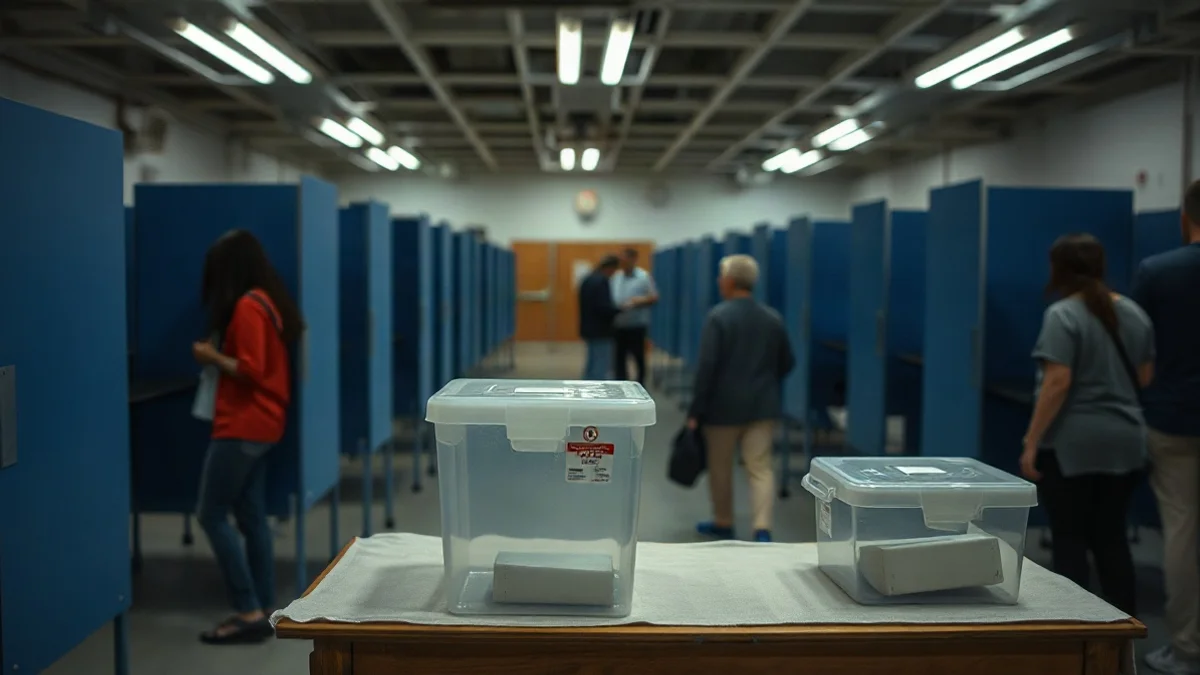
Millions of Israeli citizens head to the polls on Tuesday to cast their ballots in the elections for the 26th Knesset. Polling stations across the country open in the morning, allowing eligible voters to choose the political lists that will represent them in the upcoming parliament. As the voting gets underway, election authorities have published comprehensive guidelines covering identification requirements, procedures for voters away from home or serving in reserve military duty, and regulations regarding paid day-off entitlements.
Ahead of election day, a mathematical average of the four most recent mandate polls published by various media outlets indicates a narrow margin of slightly over two mandates between Gadi Eisenkot's Yashar! party and Benjamin Netanyahu's Likud bloc. The aggregate data shows that the overall gap between the two major political camps stands at 4.5 mandates, reflecting a highly competitive electoral race.
Meanwhile, the reservists-economic list shows mixed polling results, managing to clear the electoral threshold in two out of the four analyzed surveys with four mandates in each, averaging an estimated 3.10 percent of the vote—just 0.15 percentage points away from the 3.25 percent threshold. Conversely, the Amcha Yisrael party, led by Ofer Winter, fails to cross the electoral threshold in all four surveys, pulling an average support of 2.88 percent.
Analysts note that the aggregated figures represent a mathematical processing of previously published polling data rather than a new survey or an official prediction of election results. The averages do not account for shifting public opinion or voting patterns right up to election day, serving instead as a retrospective overview of the pre-election landscape.