Israel Probes Alleged Vote-Buying and Foreign Influence After Elections
Israel faces dual investigations following recent elections: a police probe into alleged Ra'am party vote-buying and a Shin Bet inquiry into suspected foreign influence.
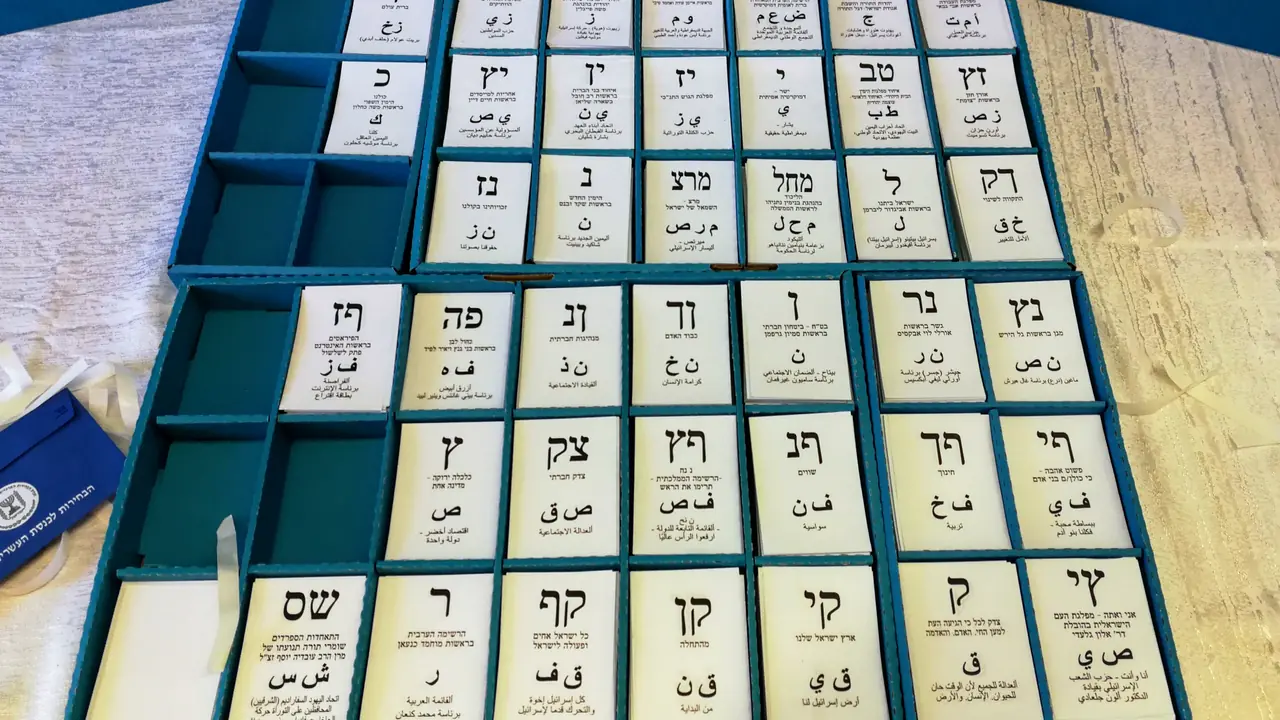
Following the recent Knesset elections, Israel's political arena has been rattled by two separate investigations: a police probe into alleged vote-buying envelopes linked to the Arab-majority Ra'am party, and a Shin Bet-led inquiry into suspected Qatari and Turkish foreign interference in public opinion.
The Ra'am Envelopes Investigation
Police and the Lahav 433 national fraud investigation unit arrested several Ra'am activists in the Negev region on the eve of the elections, seizing envelopes containing cash, ballots, and political materials. Investigators suspect the funds were intended to bribe voters in vulnerable communities, offering cash assistance or fuel vouchers in exchange for ballots.
Defense attorneys representing the suspects strongly deny the allegations, maintaining that the seized money constituted legitimate charitable donations managed by local associations to assist impoverished families. Courts have ordered the release of some suspects to house arrest while scrutinizing police procedures, as the investigation continues.
Foreign Influence Probe
Simultaneously, the Shin Bet, with assistance from the Mossad, is investigating allegations that tens of millions of shekels from Qatar and Turkey were funneled into Israel to sway public opinion during the electoral cycle. Supreme Court Justice Noam Solberg, serving as Central Election Committee chairman, ordered the probe after receiving intelligence reports.
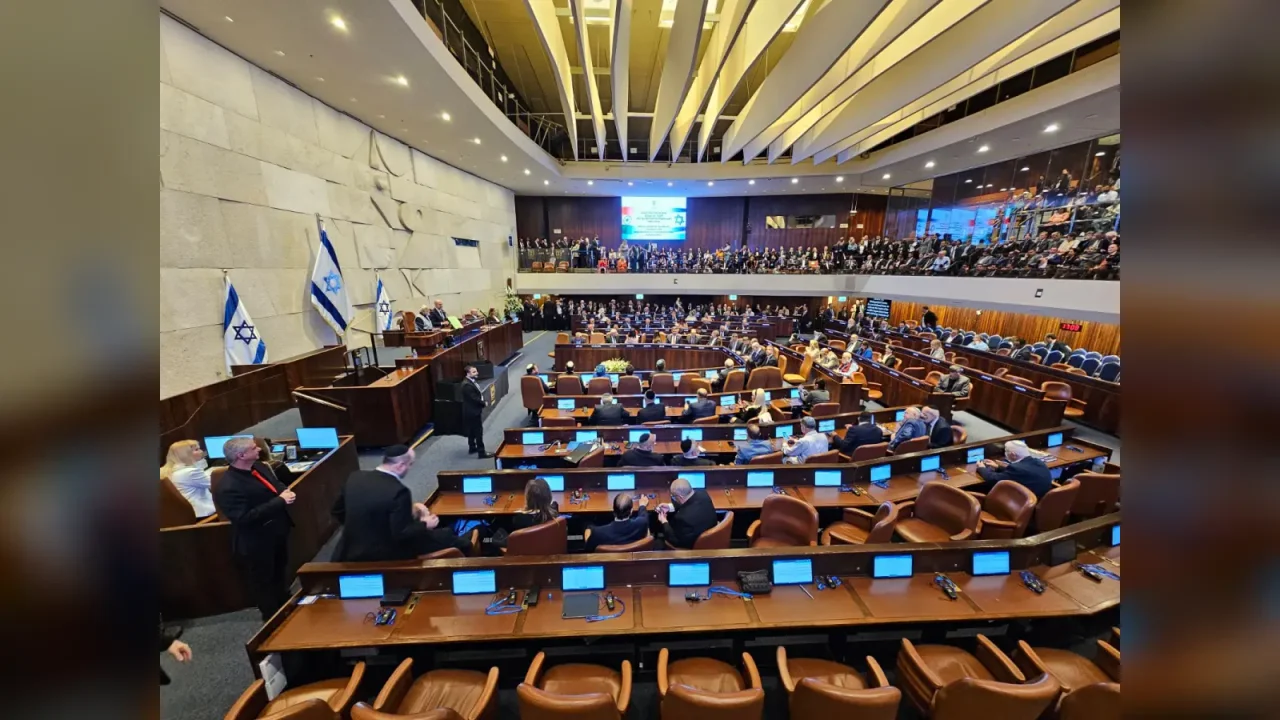
Both Qatari and Turkish officials have categorically rejected the accusations, dismissing them as baseless disinformation campaigns. Meanwhile, political figures have traded sharp criticisms, though security sources emphasize that the ongoing investigations will not delay the scheduled swearing-in of the new Knesset.