Northern Israeli Leaders Slam Government Inaction Over Post-War Recovery
Northern Israeli leaders sharply criticized government reconstruction efforts at a recent conference, demanding urgent funding, legislative action, and major investments in transportation and healthcare.
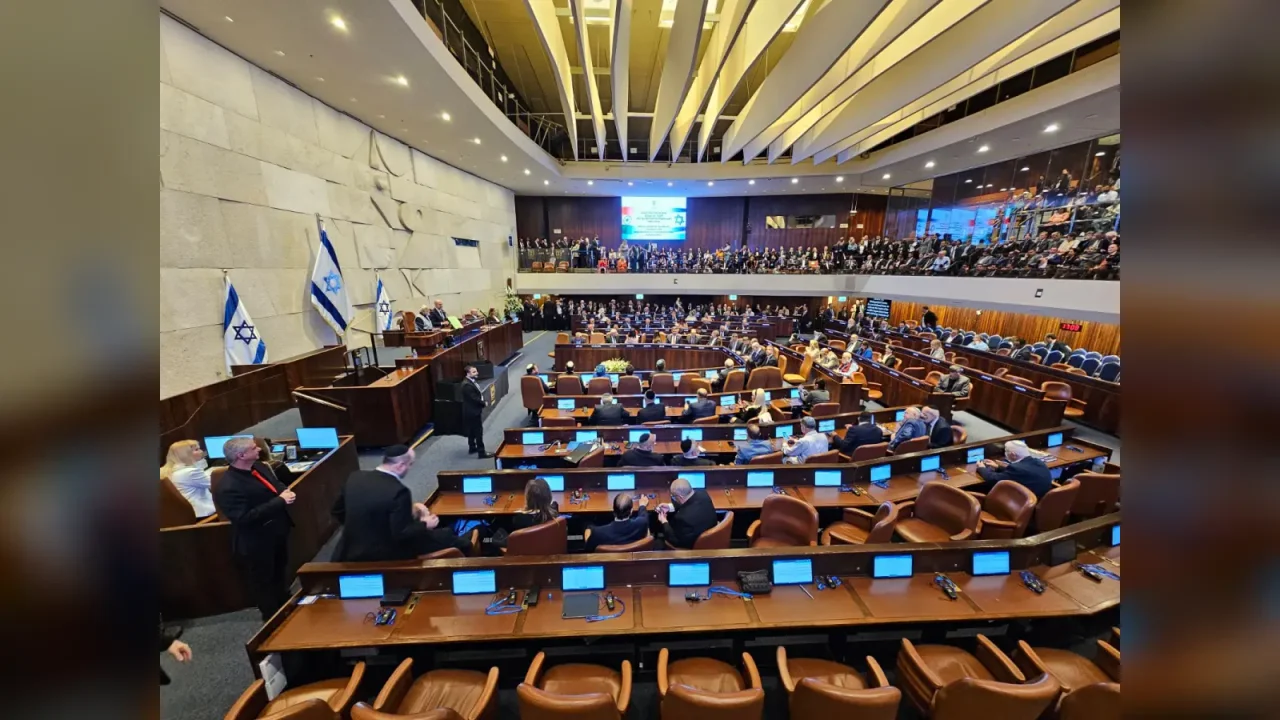
Speaking at a special panel during the Kibbutz Growth Conference, regional leaders and officials sharply criticized the government's handling of northern Israel's post-war reconstruction. Held in partnership with Israel Discount Bank and the Kibbutz Movement, the discussion highlighted a severe gap between official promises and the grim reality on the ground.
Eyal Ostrinsky, chairman of Keren Kayemeth LeIsrael (KKL), pointed out that the challenges in the north surpass those in the south due to the prolonged duration of hostilities and unprecedented destruction. "Unlike the south, the north faced continuous uncertainty with repeated rounds of escalation, complicating community and infrastructure recovery," Ostrinsky stated. He also noted the region's preexisting vulnerability regarding distance from economic, medical, and governmental centers.
Asaf Langleben, head of the Upper Galilee Regional Council, echoed these concerns, noting that while 90 percent of residents in his council have returned, three years of conflict have left deep scars. Langleben accused the government of failing to disburse promised funds, stating that billions pledged by leadership have yet to materialize. He called for an immediate overhaul of national priorities, urging the state to designate the north as its top priority and to pass a comprehensive Northern Rehabilitation Law comparable to the legislation enacted for the south.
Addressing infrastructural needs, both officials emphasized that robust investments in transportation and employment are prerequisites for regional revival. Langleben stressed that extending the railway to Kiryat Shmona serves as a crucial litmus test for the incoming government. Furthermore, both leaders rejected notions of tension between rural kibbutzim and urban centers like Kiryat Shmona, emphasizing mutual interdependence and regional solidarity.