Kiryat Shmona Restores Social Welfare Services Amid Post-War Challenges
Matanya Schwartz, a reservist from Kibbutz Lavi, helped rebuild Kiryat Shmona's welfare department, expanding staff and services amid rising postwar needs in northern Israel.

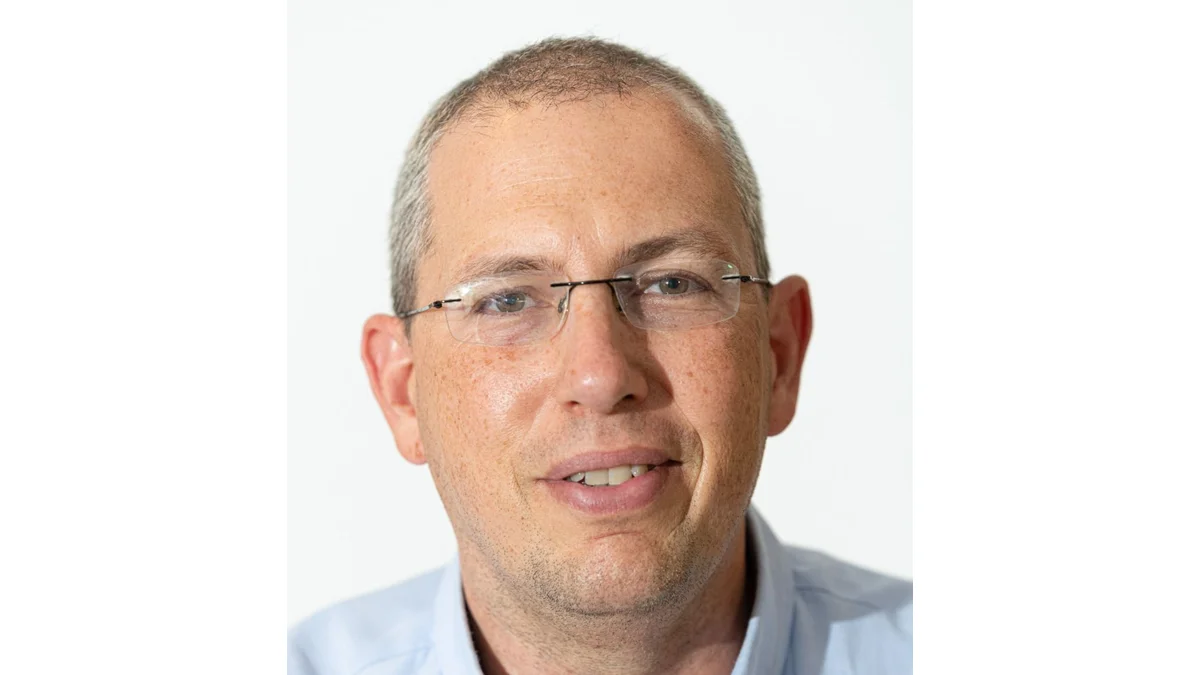
After completing two years of reserve duty in the Gaza Strip, 39-year-old Matanya Schwartz from Kibbutz Lavi decided to focus his civilian efforts on rehabilitating northern Israel. Choosing to relocate his professional expertise to Kiryat Shmona, he joined a joint initiative by the "Yadeim Latzafon" association and the JDC's "Machar" program, operating under the "Tnufa Latzafon" administration.
Rebuilding the Welfare Department
When Schwartz arrived at the Kiryat Shmona welfare department six months ago, the situation was critical. The department operated with only seven social workers, lacking an organized administrative structure, work plans, or even a proper database. Describing the initial conditions as "putting out fires," Schwartz set out to transform the department and build sustainable management routines.
Through active headhunting in cooperation with JDC-Tevet, streamlined hiring processes, and enhanced retention packages, the workforce has expanded significantly.
"The feeling was that of shutting off the lights. It was a department on the verge of collapse," Schwartz describes the initial state.
Today, the number of social workers has risen to 23, with projections reaching 26. A structured hierarchy featuring team leaders has been established, and specialized units addressing youth and addictions have been fully restored.
Rising Needs and Future Outlook
Despite the remarkable progress, the ongoing war has drastically increased the city's social welfare demands. While approximately 15% of Kiryat Shmona's population was registered with welfare services prior to the conflict, current estimates indicate that this figure could double to 30% or more.
To address these growing challenges, the municipality has launched various support frameworks, including programs for Holocaust survivors, senior clubs, therapeutic day care, parenting centers, and specialized domestic violence treatment units.
Aviad Friedman, head of the "Tnufa Latzafon" administration, emphasized the critical nature of these developments:
"Expanding welfare services is an integral part of building the future of the North. Families who choose to live here must know they have a professional, accessible, and advanced network of services available at every stage of life."