Israel Faces Defense and Budgetary Crisis Amid Political Gridlock
Israel faces a severe defense and budgetary crisis compounded by political gridlock, threatening military procurement and risking potential US sanctions.

Israel faces a severe defense and budgetary crisis compounded by ongoing political gridlock, threatening to delay the military's long-term procurement plans for months. Defense officials have expressed deep concern as the country navigates a convergence of domestic dysfunction and external pressures, including potential US sanctions and a looming third conflict with Iran.
External Pressures and US Relations
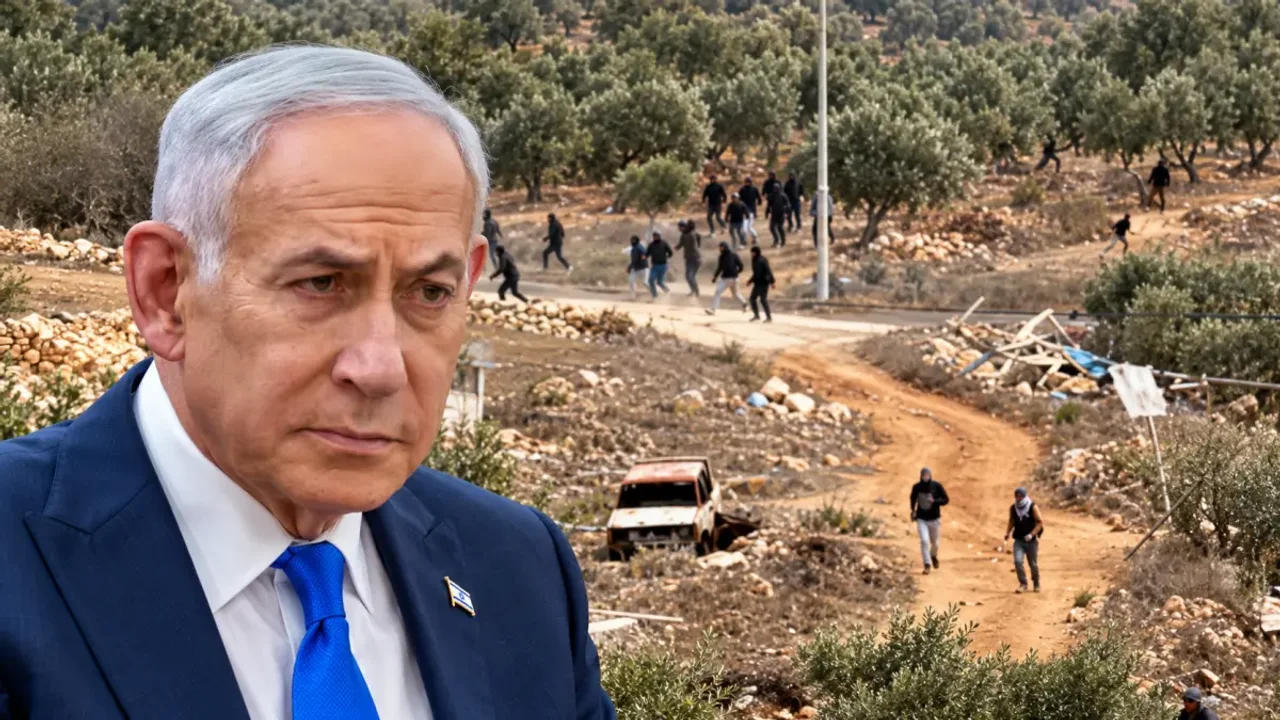
Ahead of midterm elections in the United States, progressive lawmakers led by Representative Ro Khanna are pushing to block next year's planned expansion of bilateral defense and technological cooperation. Khanna has secured the backing of at least 30 Democratic legislators, aiming to restrict military assistance over concerns regarding government policies in the West Bank and Gaza. Simultaneously, Washington is viewed as a critical window for President Donald Trump to potentially initiate renewed joint military actions against Iran, a prospect that has sparked intense debate within Israel's security establishment.
Budgetary Chaos and Defense Debt
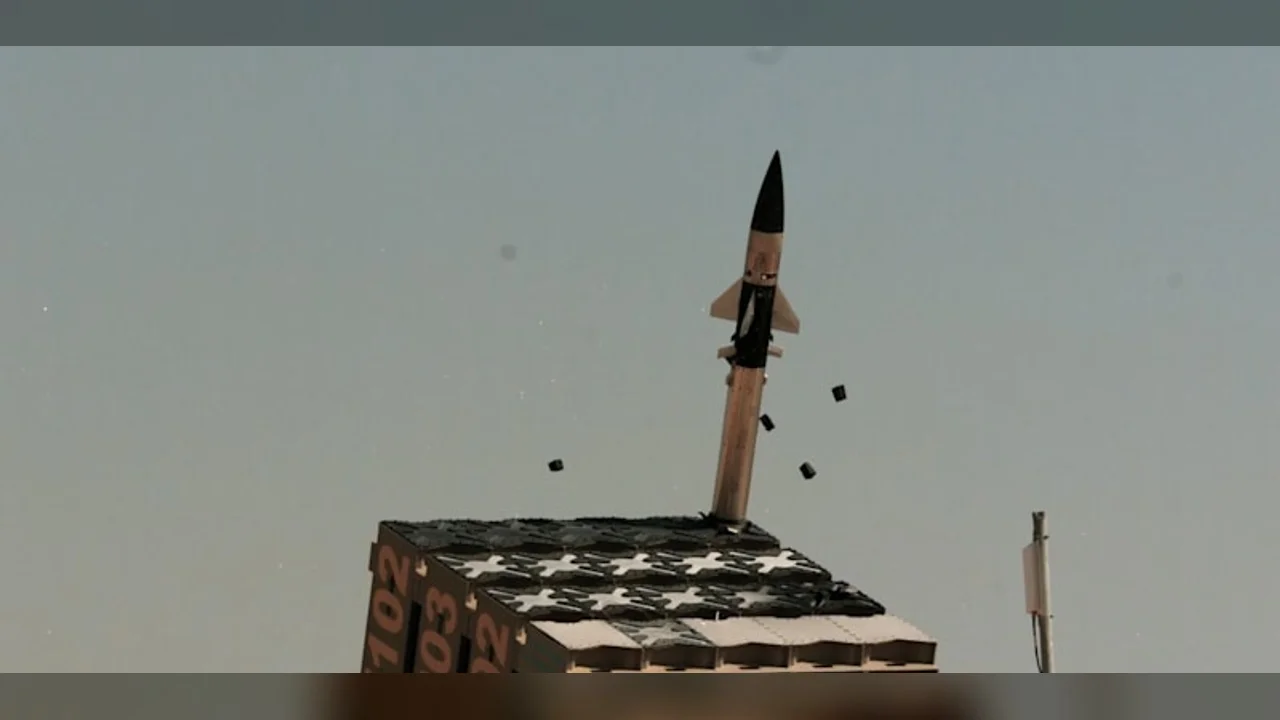
Domestically, the Israel Defense Forces and the Defense Ministry's budget division are struggling to navigate mounting financial deficits. The Defense Ministry's accumulated debt to major domestic defense contractors—including Rafael, Israel Aerospace Industries, and Elbit Systems—has surpassed 17 billion shekels. Although defense officials previously requested an immediate 25-billion-shekel budgetary injection to stabilize finances, ongoing political stalemate and disputes with the Ministry of Finance threaten to paralyze funding, forcing the military to operate under temporary continuous budgets starting next year.