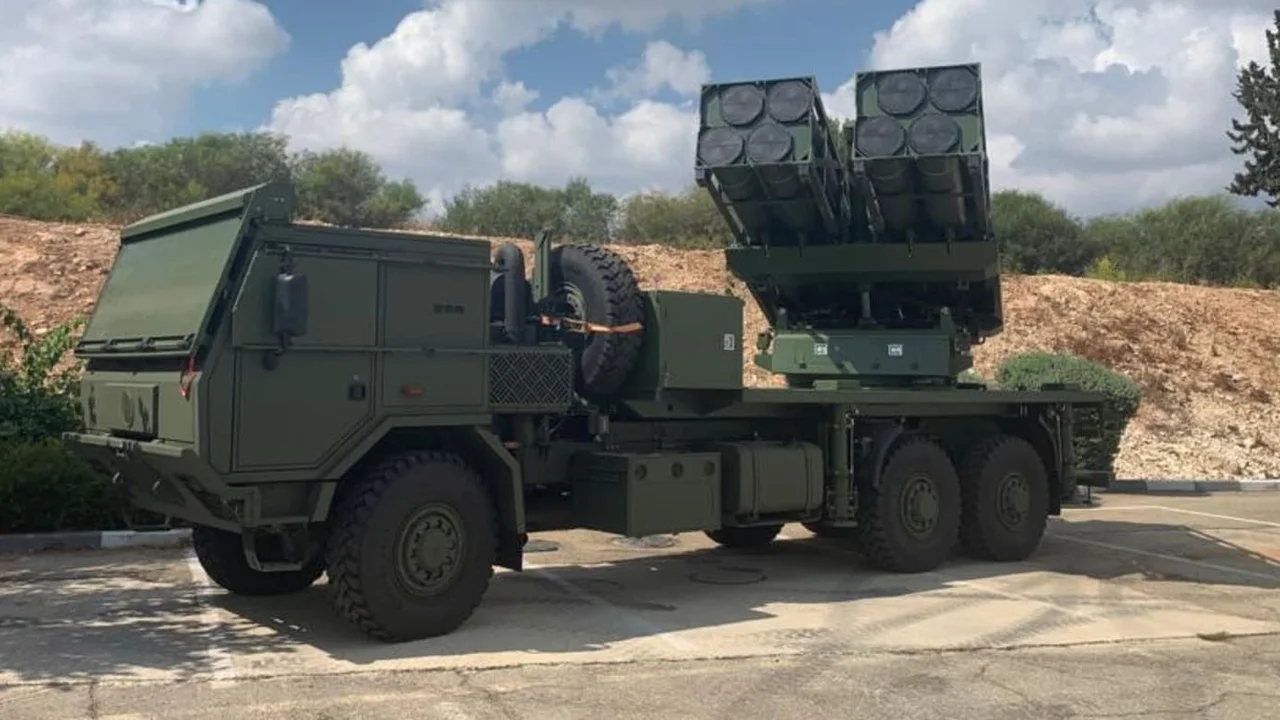
Israel and France Face Off in Multi-Billion-Dollar Swiss Air Defense Tender
Switzerland is evaluating a $7.21 billion air defense upgrade, pitting Israel Aerospace Industries' Barak MX system against France's SAMP/T NG. The high-stakes tender highlights intensifying industrial competition amid broader diplomatic tensions between Paris and Jerusalem.
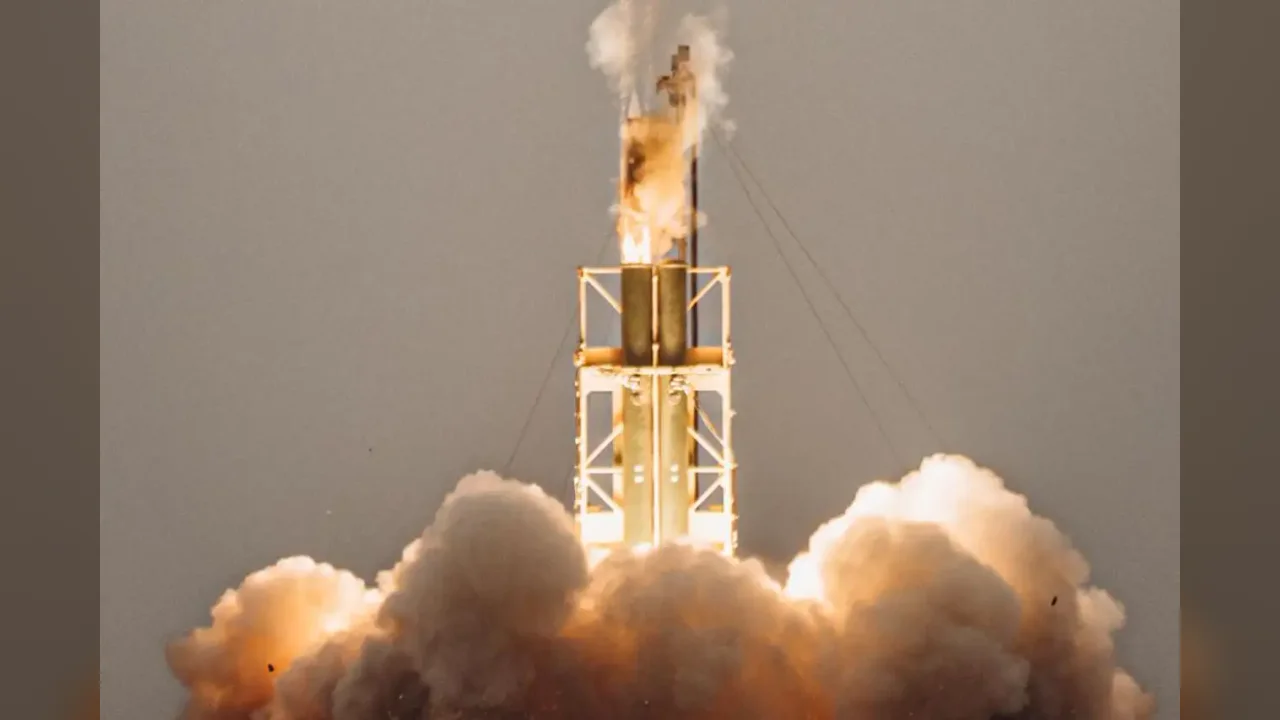
Switzerland is currently evaluating a massive multi-billion-dollar air defense procurement program, creating a high-stakes competitive showdown between Israel Aerospace Industries and France's Eurosam. The Swiss Federal Department of Defense has initiated a review to allocate up to 6 billion Swiss francs ($7.21 billion) to reinforce national airspace protection. The tender has narrowed down to two primary contenders: the Israeli Barak MX system, developed by Israel Aerospace Industries, and the French SAMP/T NG system, manufactured by the Eurosam consortium, a joint venture between Thales and MBDA.
Strategic Diversification in Bern
Defense officials in Bern emphasize that the selected system will complement the existing US-made Patriot batteries currently deployed by the Swiss military. The extraordinary defense budget is designed to safeguard broader geographical areas while mitigating supply chain vulnerabilities amid a fragile geopolitical landscape. Both the Barak MX and SAMP/T NG successfully cleared an initial screening process that evaluated four competing proposals. While the French SAMP/T NG offers tracking capabilities for over 100 simultaneous threats and engagement against up to 10 targets, the Israeli Barak MX provides a modular architecture supporting three distinct interceptor ranges.
The Barak MX utilizes the short-range Barak MRAD, the medium-range Barak LRAD, and the long-range Barak ER interceptor, which achieves a maximum interception range of up to 150 kilometers. The system is designed to counter combat aircraft, helicopters, unmanned aerial vehicles, cruise missiles, and ballistic threats. Globally, the Barak MX has secured significant export contracts with nations including Azerbaijan, the United Arab Emirates, Morocco, Cyprus, Slovakia, and Greece. Meanwhile, the Franco-Italian SAMP/T NG serves as an advanced evolution of legacy systems currently operational in France and Italy, with Denmark also recently selecting the platform.
Diplomatic Tensions and Industrial Rivalry
This procurement battle unfolds against a backdrop of escalating diplomatic friction between Jerusalem and Paris. French President Emmanuel Macron has repeatedly restricted Israeli defense firms from participating fully in major military exhibitions in France, permitting only defensive equipment displays while barring Israeli defense ministry representatives. Similar restrictions were previously enacted during the Euronaval, Eurosatory, and Paris Air Show exhibitions. Despite these political headwinds, Israeli defense conglomerates maintain a competitive edge globally, occasionally displacing French aerospace giant Airbus in international tenders, such as Morocco's recent acquisition of intelligence satellites.
As the Swiss parliament prepares to review a broader 24 billion franc military enhancement package during its upcoming winter session, final decisions regarding the air defense contract draw closer. Swiss authorities must weigh foreign policy considerations alongside technical performance and cost-effectiveness. Although Israeli defense technology enjoys a strong reputation in Switzerland for price-to-performance ratio, geopolitical factors and foreign policy guidelines will play a critical role in the final selection process as Bern seeks to diversify its military suppliers.