Australia Considers US-Produced Iron Dome Interceptors to Bolster Defense
Australia is weighing the acquisition of US-produced Iron Dome interceptors through defense partnerships to bypass domestic political friction. Canberra aims to upgrade its missile defense capabilities by the early next decade.
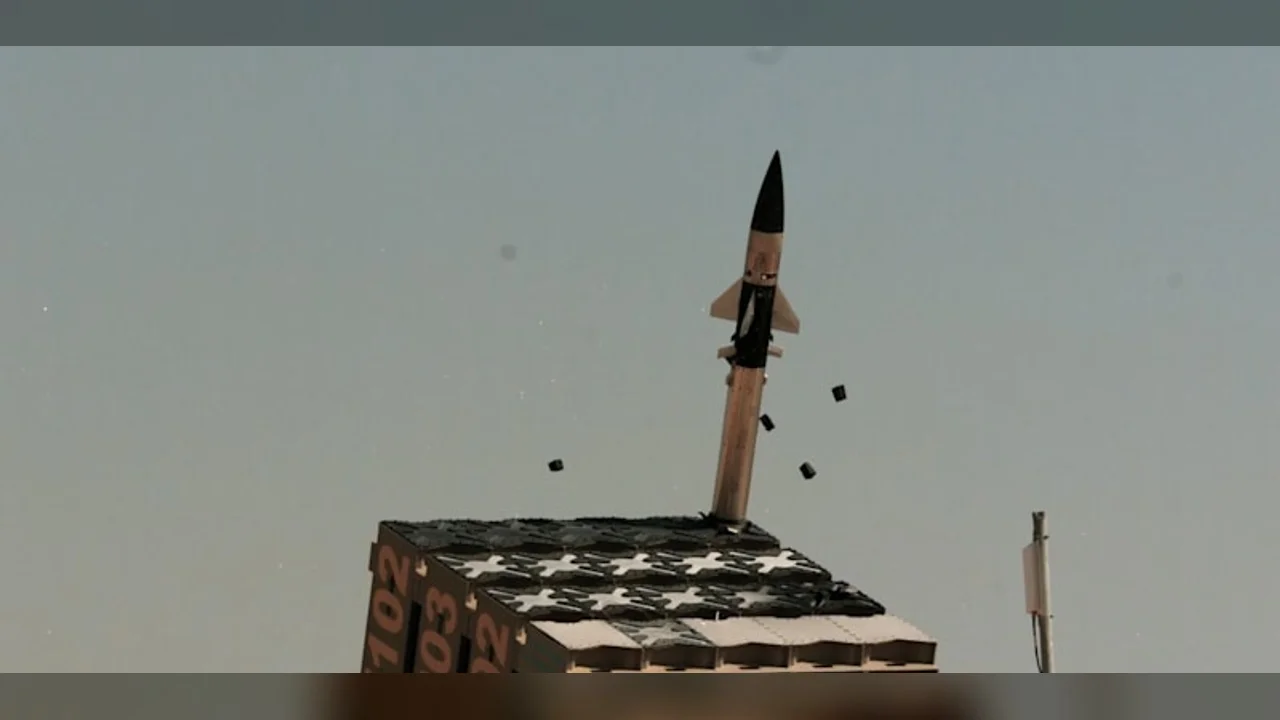
Australia is considering the acquisition of Iron Dome interceptors produced by Israel's Rafael Advanced Defense Systems, as reported by Australian media. Amid ongoing conflicts in Ukraine and the Middle East, defense officials in Canberra stated during a parliamentary hearing that they aim to establish an enhanced missile defense system by the early next decade.
Australian interest is notable as authorities evaluate both US-made Patriot systems and Iron Dome interceptors. The interceptors under consideration are not the Tamir interceptors manufactured in Israel, but rather those produced in the United States through a partnership with American defense giant RTX (formerly Raytheon).
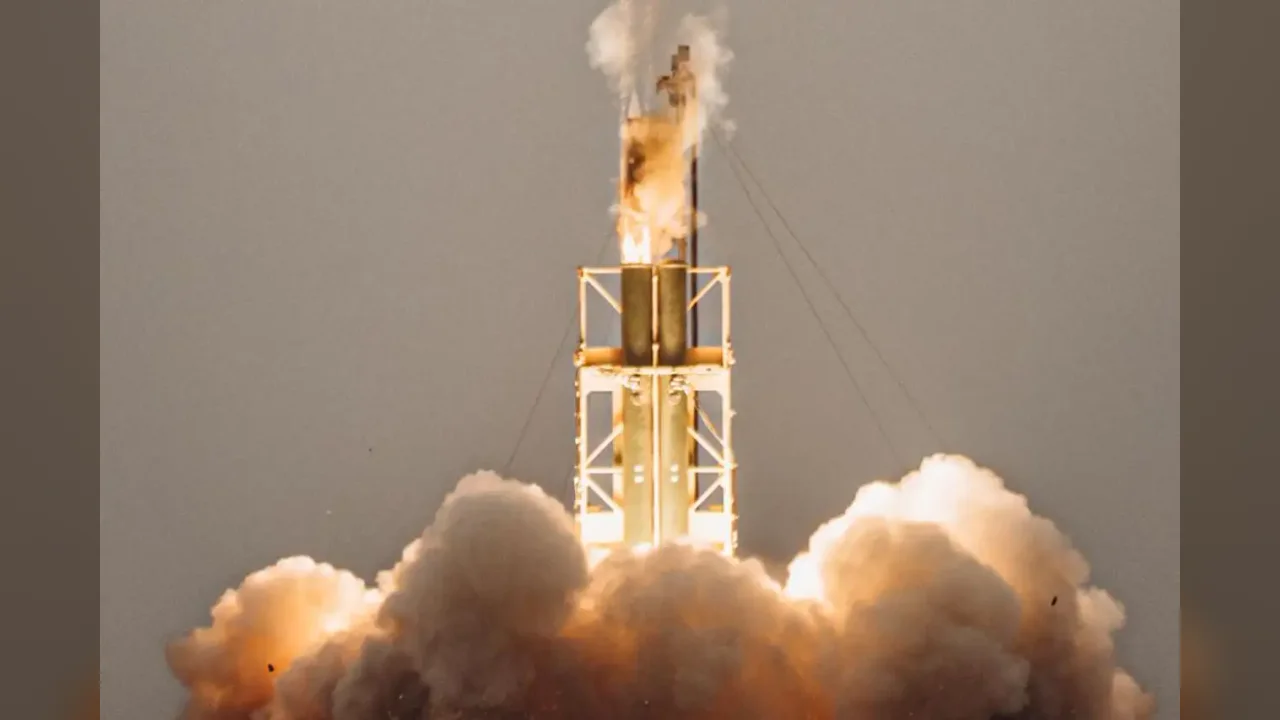
The US-Israeli partnership launched in Arkansas in 2024, when RTX and Rafael, via their joint venture R2S, inaugurated a facility producing Tamir interceptors for the Iron Dome and Sky Hunter, the US variant intended for the US Marine Corps and other clients. The plant, built with an investment of tens of millions of dollars, employs around 60 local workers at RTX's Highland Industrial Park complex.
Reports indicate that truck-mounted medium-range interceptors were evaluated by the US Marines during a June exercise in Guam, which Australia also attended. Australia's preference for acquiring battle-tested Iron Dome interceptors via the United States is largely driven by domestic political criticism regarding Israel.
Australian Environment Minister Murray Watt stated that the government will always work to provide the most appropriate defense technology. Meanwhile, Deputy Defense Secretary Celia Perkins warned against rising unmanned aerial vehicle activity, noting that drone intrusions at defense facilities surged from 19 cases in 2022 to last year.
Chief of Air Force Air Marshal Robert Chipman pledged that defense forces will submit their consolidated recommendations to the government next year, following a comprehensive evaluation during a major military exercise in 2027.
Demand Surges for Rafael Technologies
Rafael's surging demand extends beyond air defense. German firm ARTEC showcased the Boxer 8x8 armored personnel carrier at the Future Forces exhibition in Prague, equipped with a TURRA turret by Slovakia's EVPZ and Rafael's Spike anti-tank guided missiles.
The Spike family features a wide range of models tailored for various ranges and platforms. The lightweight Spike SR weighs approximately 10 kilograms, is shoulder-launched, and targets ranges up to two kilometers. At the other end, the Spike NLOS, capable of striking targets up to 32 kilometers away, can be launched from land, air, or maritime platforms.
Featuring electro-optical guidance and fire-and-forget capabilities, Spike missiles have been integrated into roughly 45 platforms across land, sea, and air. To date, approximately 50,000 Spike missiles have been sold to 42 countries worldwide, including about 20 NATO members, with roughly 10,000 fired in combat and tests.