War of Attrition: Why Time Is Running Out for Iran and Hezbollah
Iran and Hezbollah are locked in a tense war of attrition with the US and Israel. Severe economic strain in Tehran and military setbacks in Lebanon are turning this prolonged standoff into a major vulnerability for the Shiite axis.
A Standoff on the Verge of Exhaustion
Hundreds of miles separate Iran and Lebanon, yet a remarkably similar dynamic is unfolding in both arenas. Both theaters, having experienced intense and unprecedented military conflicts in recent years, are now simmering on a low flame—below the threshold of war but above the level of a true ceasefire. Neither side is backing down, nor are they launching an all-out conflict, instead engaging in a war of attrition to see who will blink first.
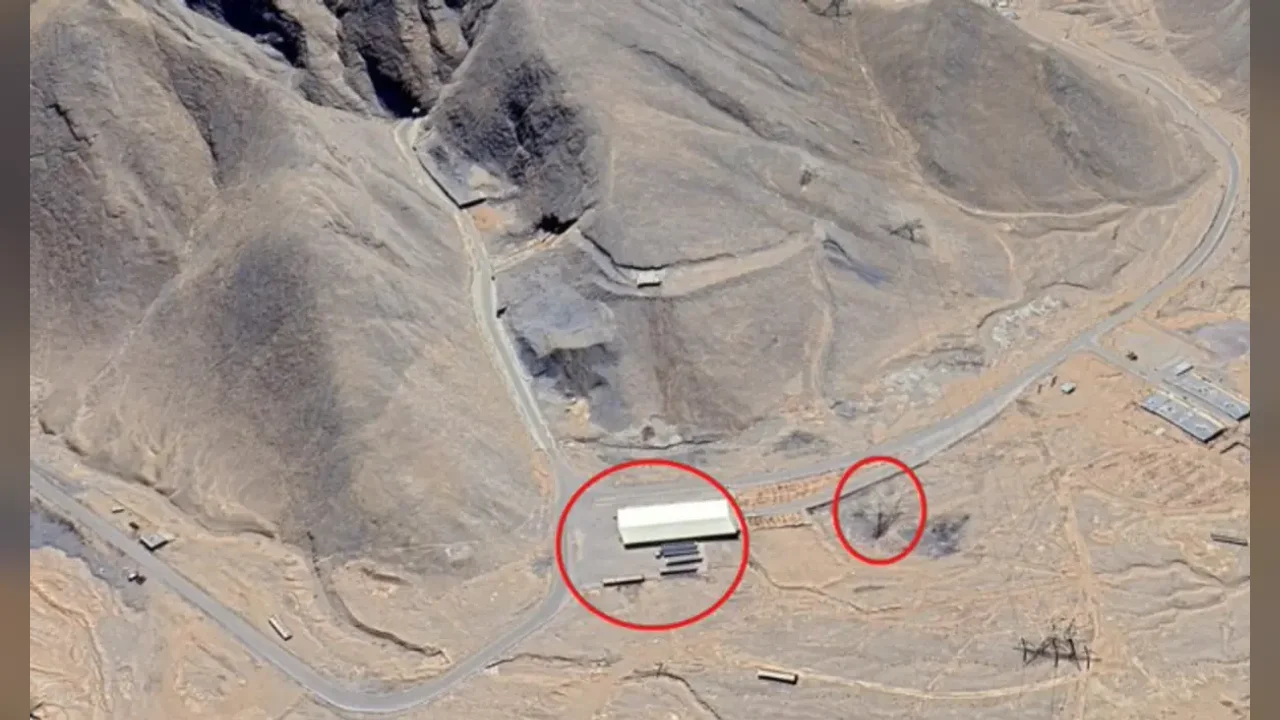
In Iran, American diplomatic and military maneuvering continues, vacillating between maximum economic pressure and limited military friction in the Strait of Hormuz. The US has so far been unable—and will likely remain unable—to force Iran into submission or compromise. Meanwhile, American patience is wearing thin against the backdrop of upcoming midterm elections and President Donald Trump's low approval ratings. Conversely, Washington has no appetite for expanding the conflict into a full-scale war that would further destabilize the global economy.
Tehran's Economic Dead End
While this situation might seem manageable for Iran, it is far from ideal. The regime faces this limited confrontation while enduring the most severe economic crisis in its history, internally divided and deeply unpopular. Panic is evident in the statements and actions of Iranian officials; indeed, the Iranian Ministry of Economy established an "economic war command room" on September 6.
Amid these developments, protests by retirees and teachers have been reported in Tehran and other cities, with demonstrators chanting that "salaries run out within a week." Although Iran projects resilience and self-confidence, it fully understands that its real battle is not in the Strait of Hormuz but "over production and the livelihood of its citizens," as Parliament Speaker Mohammad-Bagher Ghalibaf recently admitted.
Tehran does not know how much longer it can hold out under these unprecedented conditions. For now, the regime is attempting to walk a tightrope: responding aggressively to any US military action while desperately trying to alleviate the domestic economic crisis.
Concurrently, a clear equation has emerged in which Iran avoids firing directly at Israel. Tehran understands the heavy price of an Israeli response and finds it far more convenient to target vulnerable regional points: the global economy and Washington's Arab allies, chief among them Jordan.
Hezbollah's Crisis in Lebanon
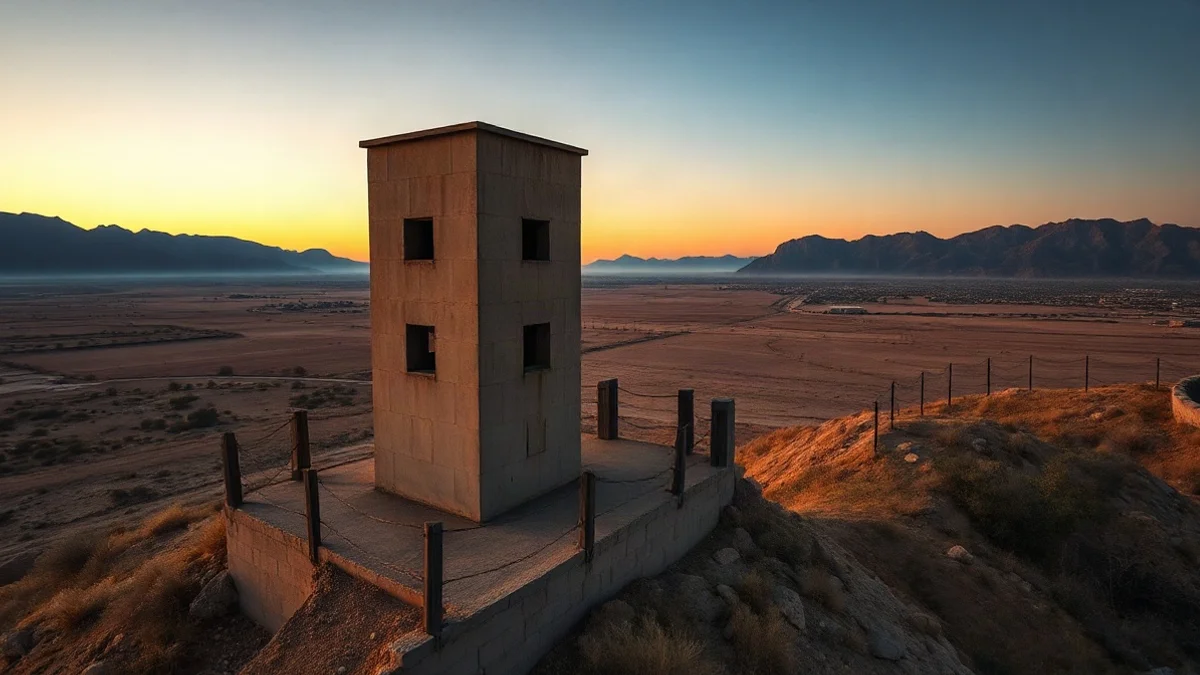
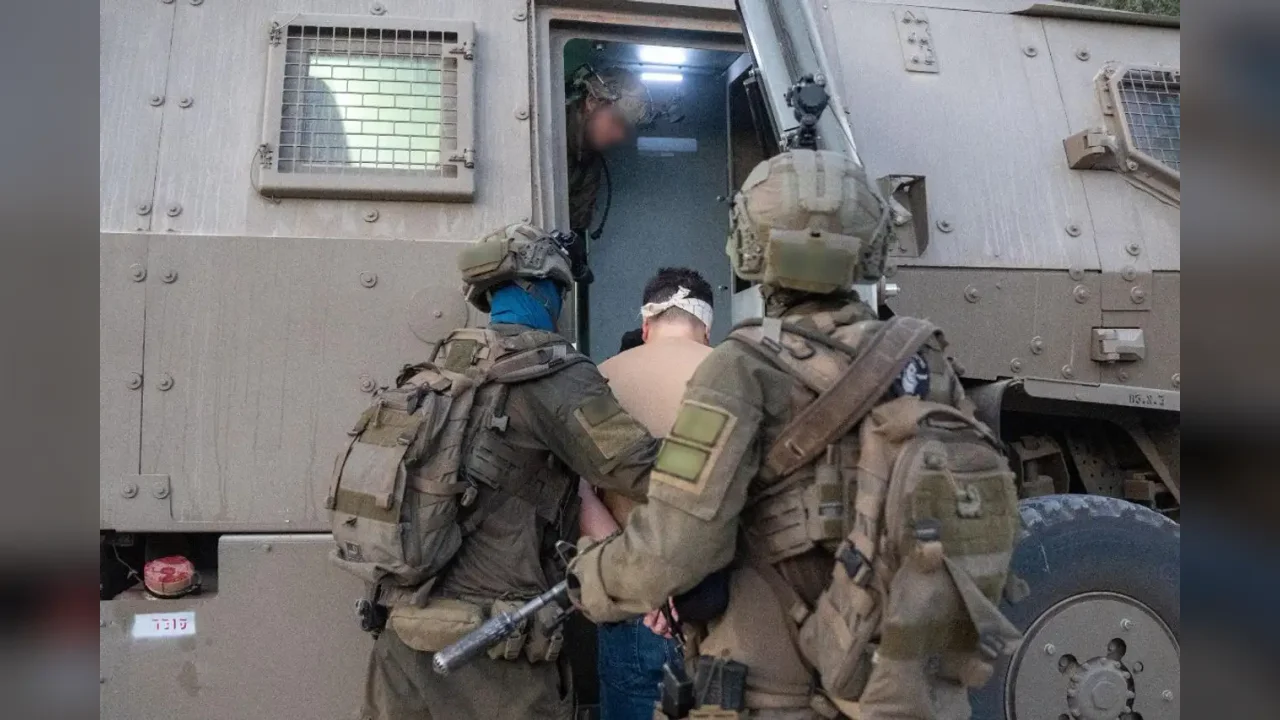
In Lebanon, the circumstances differ, but the outcome is similar: Hezbollah is facing an unprecedented challenge to its very existence within the country, lacking the tools to extricate itself. The IDF's announcement of operational control over the Ali Taher ridge represents a public humiliation for the organization, which had vowed to respond to such a move and hinted at Iranian backing that never materialized.
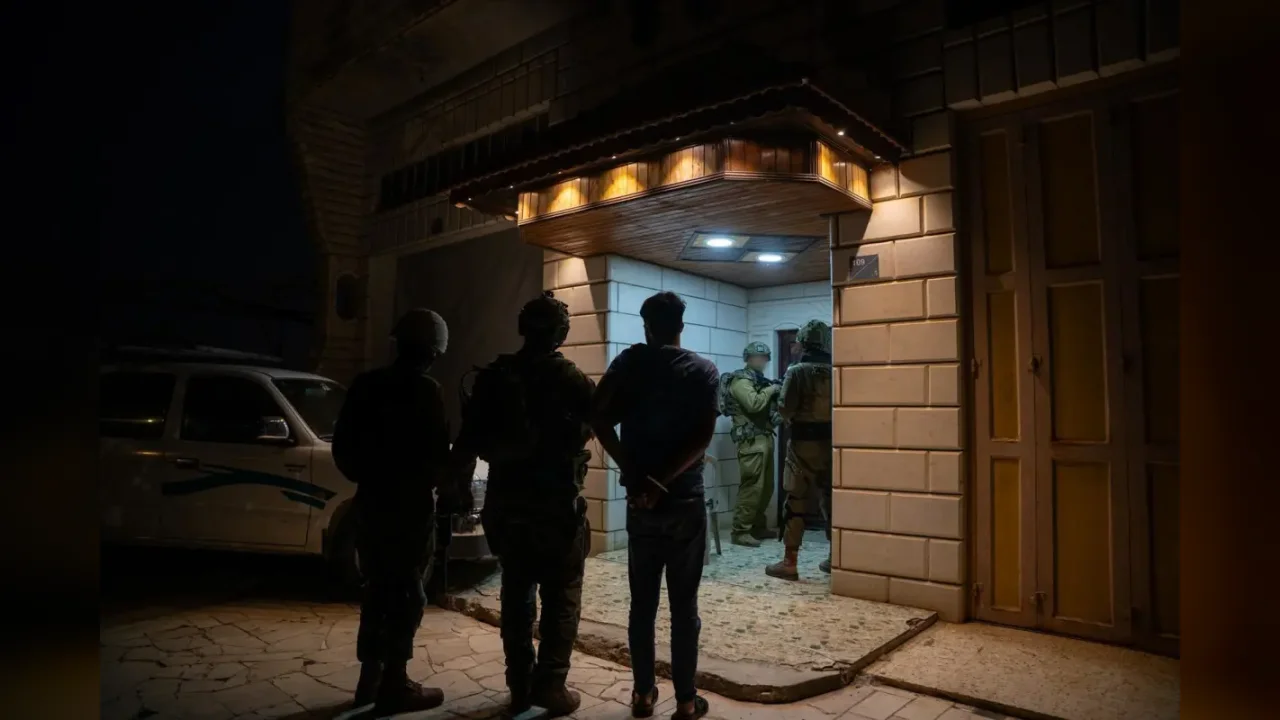
In its distress, the group attempts to launch drones at IDF forces inside Lebanese territory. While this is a clear violation of the ceasefire, Hezbollah views it as a limited action to prevent Israel from expanding its military operations. Just as in Iran, a war of attrition is underway, allowing Hezbollah to avoid appearing passive in the face of humiliation while avoiding a broader escalation that would deepen the crisis it has created for itself in Lebanon.
This strategy has yielded highly limited success, and domestic criticism of the group is mounting. The prominent Lebanese newspaper An-Nahar argued that Hezbollah knew the Ali Taher ridge was bound to fall but refused to hand it over to the Lebanese Army, "preferring to surrender it to Israel." Another article in Nidaa Al-Watan questioned Hezbollah's ability to protect the Lebanese people when it failed to defend one of its most critical military outposts.
Furthermore, the Janoubia website, associated with the Shiite opposition to Hezbollah, reported growing resentment within the Shiite community. Critics are questioning the blood shed for the Palestinian cause, the lack of financial compensation, widespread displacement, and the extent to which Iranian interests dictate the group's actions. Hezbollah attempts to project strength, but its ability to sustain this posture over time remains highly doubtful.
Time Runs Out for the Shiite Axis
Iran cannot accept American terms without appearing to surrender, yet it cannot afford an all-out war. Hezbollah cannot disarm without losing its source of power, but it cannot resume full-scale hostilities without bringing further ruin upon itself and its support base. For both, time is of the essence, and attrition—once a strategic tool of the Shiite axis—is rapidly becoming its greatest vulnerability.
In this geopolitical poker game, Israel and the US hold the stronger hand, but they must ensure they play it correctly. In a complex political environment, with elections for the 26th Knesset declared in Israel and midterm elections approaching in the US, this will be no simple task.