Iran Economic Crisis Deepens as Basic Food Costs Outpace Minimum Wage
New data from Iran reveals a deepening economic crisis as basic food costs surpass the monthly minimum wage. Food prices surged 113 percent amid soaring inflation, sanctions, and crippled supply chains.
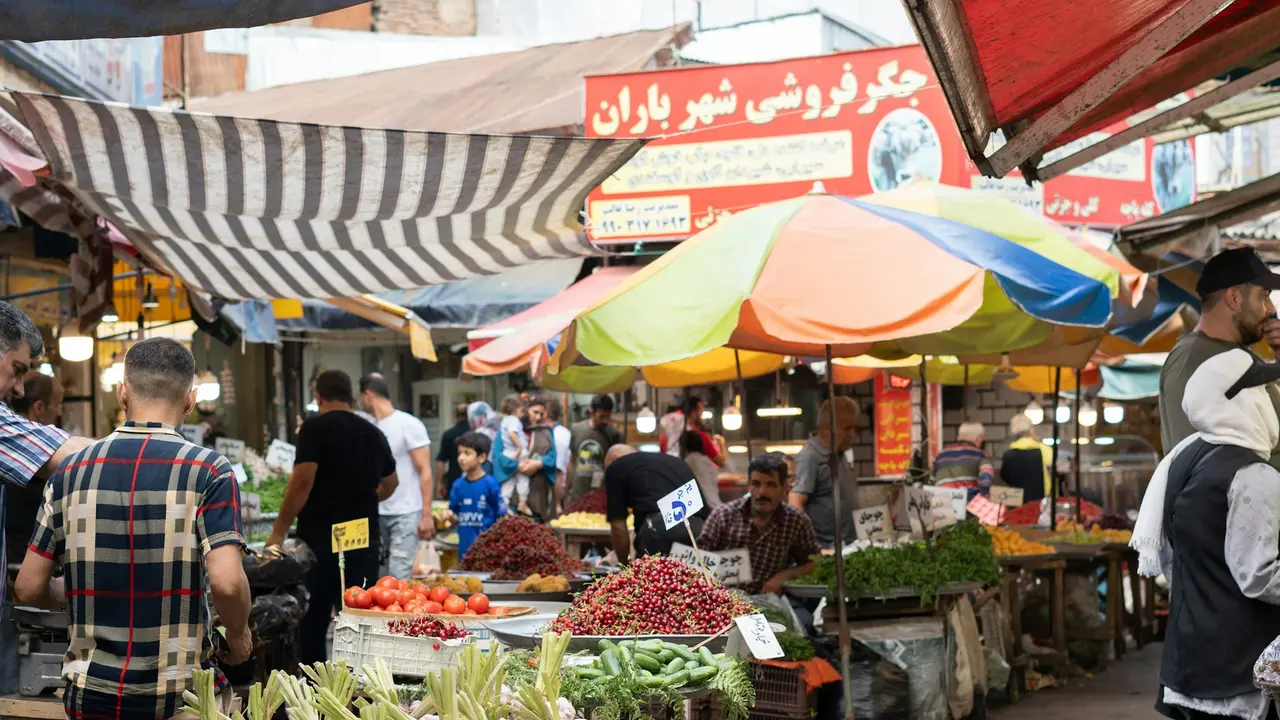
New economic data emerging from Iran reveal a severe socio-economic crisis, with basic food costs now outpacing the monthly minimum wage. An average Iranian family requires approximately 27 million tomans roughly 100 dollars per month just to purchase a basic food basket.
At the same time, the minimum wage for a married worker with a child, including all relevant allowances, stands at about 24.5 million tomans roughly 90 dollars. Consequently, even before covering rent, electricity, transportation, education, or healthcare expenses, a minimum-wage worker faces an immediate monthly deficit.
Official figures from the Statistical Center of Iran indicate that food and beverage prices surged by approximately 113 percent over the past year. General inflation reached 88.7 percent in October compared to the same month last year. Economic reports estimate that the cost of the basic food basket has more than doubled within a single year.
The crisis extends far beyond groceries, driven by international sanctions, a maritime blockade, and severe supply chain disruptions. According to merchant testimonies in Tehran, the cost of transporting a container from China through Pakistan to Iran skyrocketed from 1,200 dollars to 7,800 dollars, a 6.5-fold increase. Retailers report a sharp collapse in sales as consumers increasingly resort to repairing appliances or purchasing second-hand goods.
State revenues have also sustained heavy losses. Official figures cited by foreign media show that Iran's non-oil exports dropped by 28 percent during the first five months of the Iranian calendar year, totaling approximately 15 billion dollars. As the regime continues to bargain over conditions regarding the Strait of Hormuz, the general public bears the heavy daily economic toll of the ongoing conflict.