Israel Fuel Prices Drop by Half Shekel Following Excise Tax Cut
The price of 95-octane gasoline fell to NIS 7.75 per liter at midnight. Finance Minister Bezalel Smotrich signed the decree reducing the excise tax after overcoming legal hurdles.
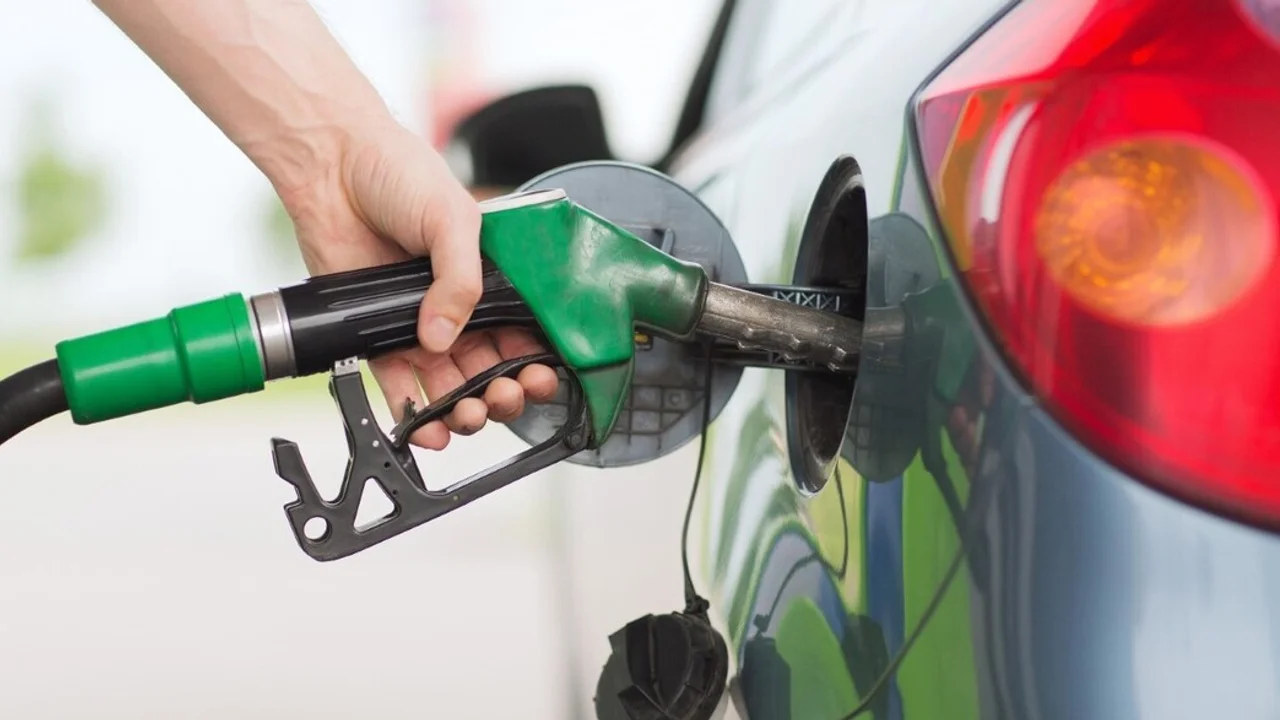
Israeli drivers received a major relief at midnight as fuel prices at gas stations nationwide were officially updated, dropping by a full NIS 0.50 per liter.
The new price for a liter of 95-octane gasoline at self-service pumps now stands at NIS 7.75 in central Israel. This reduction follows the removal of legal obstacles, allowing Finance Minister Bezalel Smotrich to sign the executive order reducing the fuel excise tax.
Updated Fuel Tariffs
Following the tax reduction, the updated pricing structure is as follows:
-
Self-Service (Central Israel): NIS 7.75 per liter.
-
Full-Service (Central Israel): An additional NIS 0.26 per liter, bringing the total to NIS 8.01.
-
Eilat (VAT-exempt zone): The maximum price for self-service dropped to NIS 6.49 per liter (down from NIS 6.99), with a full-service surcharge of NIS 0.22.
This price cut serves as immediate financial relief for the public, which had been facing the highest fuel prices recorded in Israel in over a decade.
Market Pressures and Geopolitics
The sharp turn in fuel prices occurred within just a few days. Early last week, the Fuel and Gas Administration at the Ministry of Energy and Infrastructure announced a NIS 0.16 hike, pushing the price to NIS 8.25 per liter—matching the historic record set in September 2012.
That previous increase was primarily driven by a 6% rise in international oil prices, periodic index-linked updates to the excise tax, and an increase in marketing margins and full-service surcharges following the rise in the minimum wage. This upward trend had persisted for eight months, during which fuel prices surged by nearly NIS 1.50 per liter due to regional tensions with Iran, blockades in the Strait of Hormuz, and soaring energy prices in Europe.
Legal and Bureaucratic Debate
Amid public outcry and the proximity to the election period, the Finance Minister demanded a reduction in the excise tax. The move initially faced staunch opposition from professional echelons within his ministry—including the Budgets Department, the Tax Authority, and the Chief Economist. They argued that such intervention would widen the fiscal deficit during a highly complex period, costing the state treasury approximately NIS 155 million per month. Furthermore, guidelines from the Attorney General regarding transitional governments mandate restraint regarding non-urgent policy measures.
The breakthrough was facilitated by the Ministry of Finance's Legal Advisor, Dudi Koppel. Koppel appealed to Deputy Attorney General Avital Sompolinsky, arguing that the reduction was an urgent emergency measure required to alleviate the public's cost-of-living burden.
He noted that the reduction is strictly limited in both duration and scope compared to excise cuts implemented during previous election cycles. Ultimately, the legal advisory team approved the opinion, and the signed decree will keep the lower fuel prices in effect until at least the end of October.