Eilat Diving Accidents Nearly Triple in 2026 as Medical Center Warns Divers
Diving accidents in Eilat nearly tripled between January and August 2026, with the Joseftal Medical Center treating 35 divers compared to 12 last year.
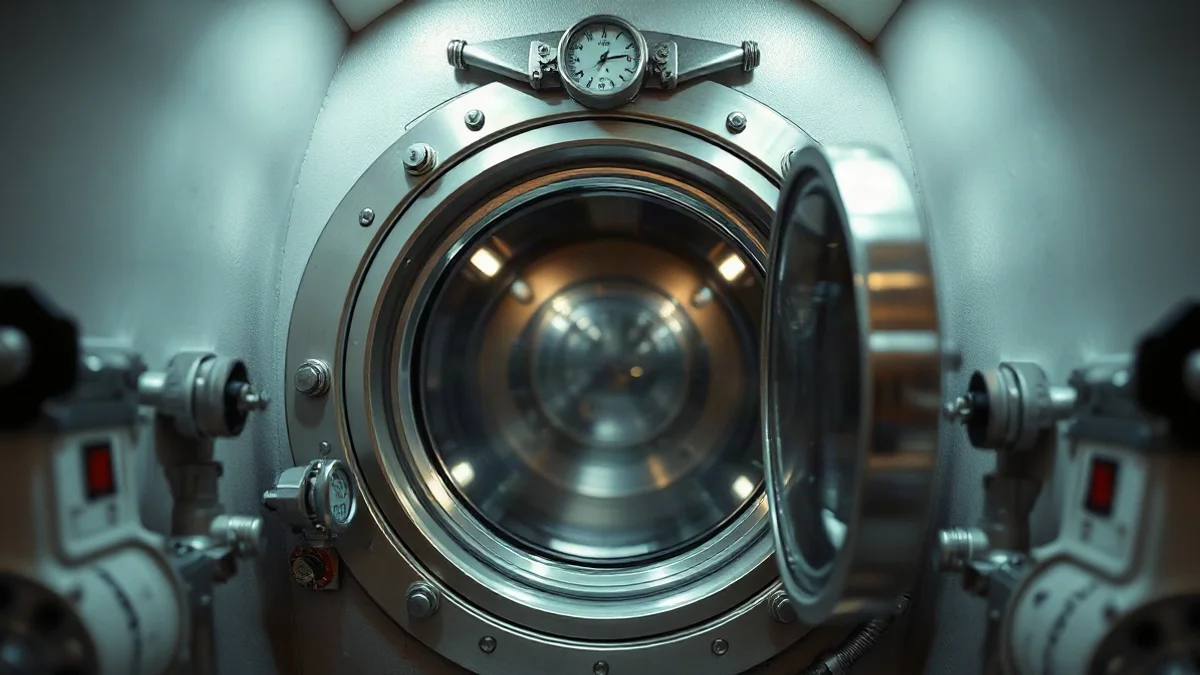
The number of divers injured in diving accidents in Eilat nearly tripled between January and August 2026 compared to the same period last year, according to data from the Joseftal Medical Center. During this period, the emergency department and hyperbaric chamber treated 35 divers, compared to 12 in the corresponding period of 2025.
Spike in Medical Procedures
Simultaneously, there was a surge in the number of medical procedures and protocols performed in the hyperbaric chamber and emergency department: 40 procedures this year, compared to 12 in the previous year. Some treatments were intensive and prolonged, aimed at saving lives and preventing permanent neurological damage.
An analysis of the cases by the medical center indicates that some of the injuries are related to violations of safety instructions, even among experienced divers. Among the cases treated at the hospital was a pair of divers—a 47-year-old woman and her 52-year-old partner, a trained technical diver—who ascended rapidly from a depth of about 18 meters.
Warnings from Medical Experts
The sharp jump in diving casualties this year is a glaring warning sign for the entire diving community and diving clubs in Eilat. Decompression sickness does not distinguish between a beginner and a veteran technical diver — the laws of physics and physiology apply to everyone equally, stated Dr. Nir Pollak, a senior diving physician at the Joseftal Medical Center.
Dr. Pollak emphasized that prevention and strict adherence to diving rules are the most important line of defense. He urged divers to stick to dive computer instructions, ensure adequate hydration and rest, and seek immediate medical examination in case of joint pain, tingling, numbness, weakness, unusual pain, or dizziness after diving.
Guidelines for Safe Diving
-
Controlled and slow ascent: Maintain a proper ascent rate of up to 9 meters per minute and adhere to safety stops and decompression stops.
-
Time intervals between dives: Ensure adequate rest and recovery times, especially after deep or multiple dives.
-
Hydration and rest: Drink water before and after diving and avoid extreme physical exertion after exiting the water.
-
Warning signs identification: Joint pain, tingling, weakness, headaches, shortness of breath, or unusual symptoms require immediate medical attention.