Ecuador Travel Alerts and Galápagos Floods Disrupt Israeli Tourists
Israeli travelers to Ecuador and the Galápagos face severe disruptions due to security tensions, gang violence states of emergency, and heavy flooding on Santa Cruz Island.
Israeli travelers planning a trip to Ecuador and the Galápagos Islands face severe travel disruptions due to escalating security tensions on the mainland and extreme weather conditions in the archipelago, prompting a wave of warnings and emergency declarations.
The British Foreign, Commonwealth & Development Office (FCDO) updated its guidelines, advising against all non-essential travel to vast regions of the country. A blanket advisory applies to the provinces of Esmeraldas, Manabí, Santa Elena, Guayas, El Oro, Los Ríos, and Santo Domingo de los Tsáchilas, excluding airside transit at the Guayaquil International Airport. Travel is also discouraged within 20 kilometers of the Ecuador-Colombia border, with specific exceptions including the El Ángel Ecological Reserve, the Rumichaca border crossing, Tulcán, and the Pan-American Highway segment in Carchi Province.
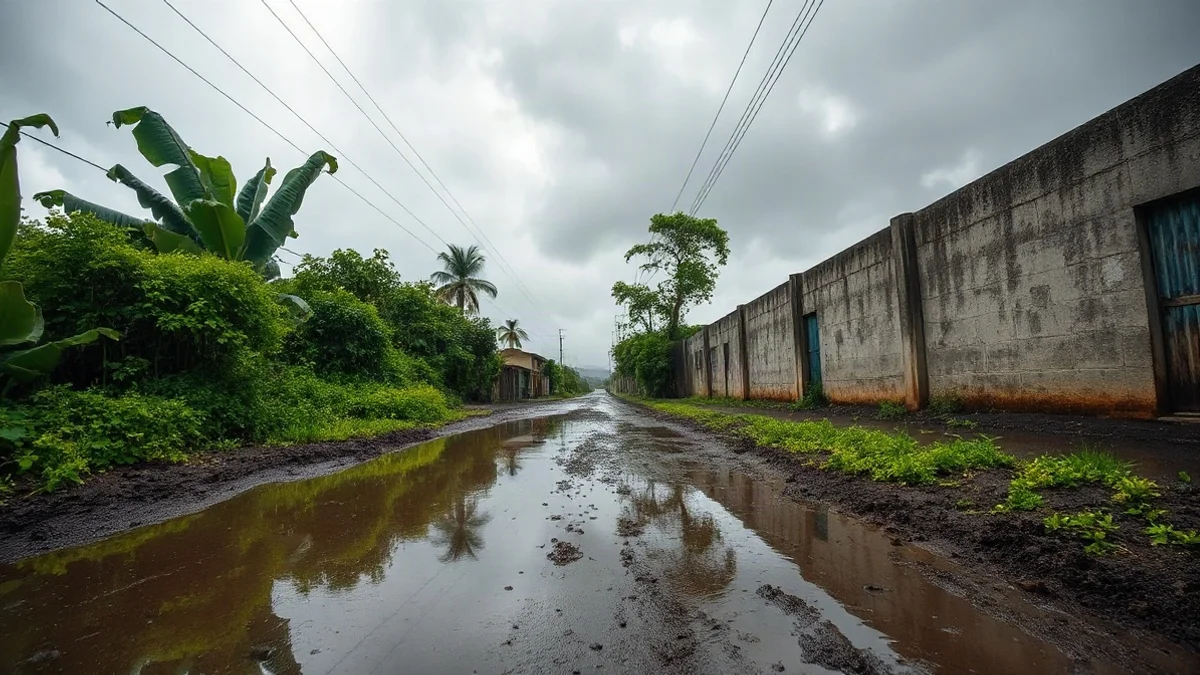
Simultaneously, the Galápagos Islands are battling severe weather as heavy rains trigger widespread flooding on Santa Cruz Island, prompting local authorities to declare a state of emergency. The severe conditions have caused major road closures, prolonged power outages, and significant disruptions to access routes leading to Baltra Airport, the main gateway to the islands. Stranded visitors are urged to avoid flooded zones and follow local emergency directives.
These developments compound an existing 60-day state of emergency declared across eight provinces due to violent crime and gang warfare, featuring heightened military and police presence alongside nighttime curfews in coastal areas. Beyond immediate safety concerns, entering regions under severe travel advisories can automatically invalidate travel insurance policies, leaving tourists unprotected against medical emergencies, theft, or rescue operations.
Adding to the regional instability, the broader region continues to grapple with seismic activity along the Pacific Ring of Fire. Recent tremors include a magnitude 5.6 earthquake off the coast of Costa Rica and the aftermath of a devastating 7.4 magnitude earthquake in western Colombia, highlighting the ongoing vulnerability of local infrastructure and transportation networks.