Glacial Melt in Italy's Dolomites Exposes World War I Munitions
Receding glaciers in the Italian Dolomites have exposed over 250 World War I explosives. The Italian Army neutralized artillery shells and mortar bombs left from the 1915-1918 White War, prompting safety warnings for hikers.
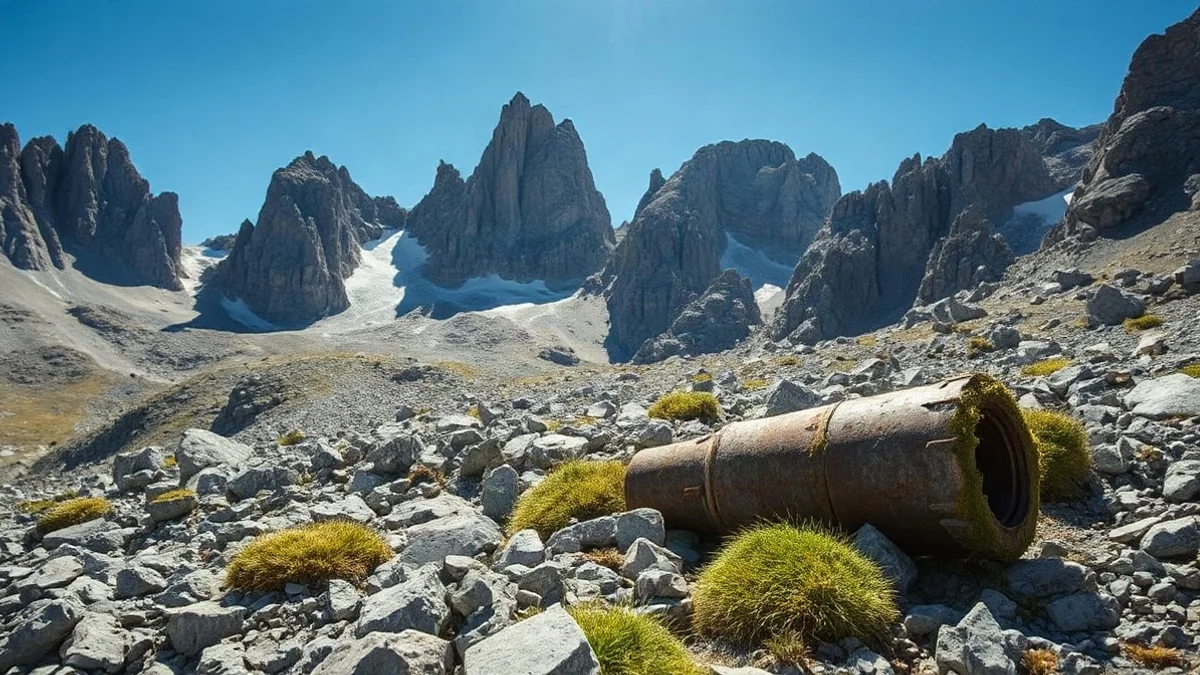
Melting glaciers and receding snow in the Dolomites of northern Italy have exposed over 250 pieces of unexploded ordnance dating back to World War I. An operation concluded by the Italian Army on October 16 resulted in the removal and neutralization of these dangerous relics across the Trentino-Alto Adige region.
The discoveries include artillery shells and mortar bombs left over from the intense combat between Italy and the Austro-Hungarian Empire between 1915 and 1918. This mountainous conflict, historically known as the 'White War', left vast quantities of military hardware buried under decades of snow and ice, which are now emerging as global temperatures drive rapid glacial retreat.
Unusual Discoveries and Alpine Operations
One of the initial discoveries this summer occurred following a vehicle accident in June near Caldonazzo, when a car rolled down a ravine after the driver reportedly failed to engage the handbrake. Firefighters arriving at the scene spotted a mortar bomb near a tree and immediately summoned military bomb disposal units.
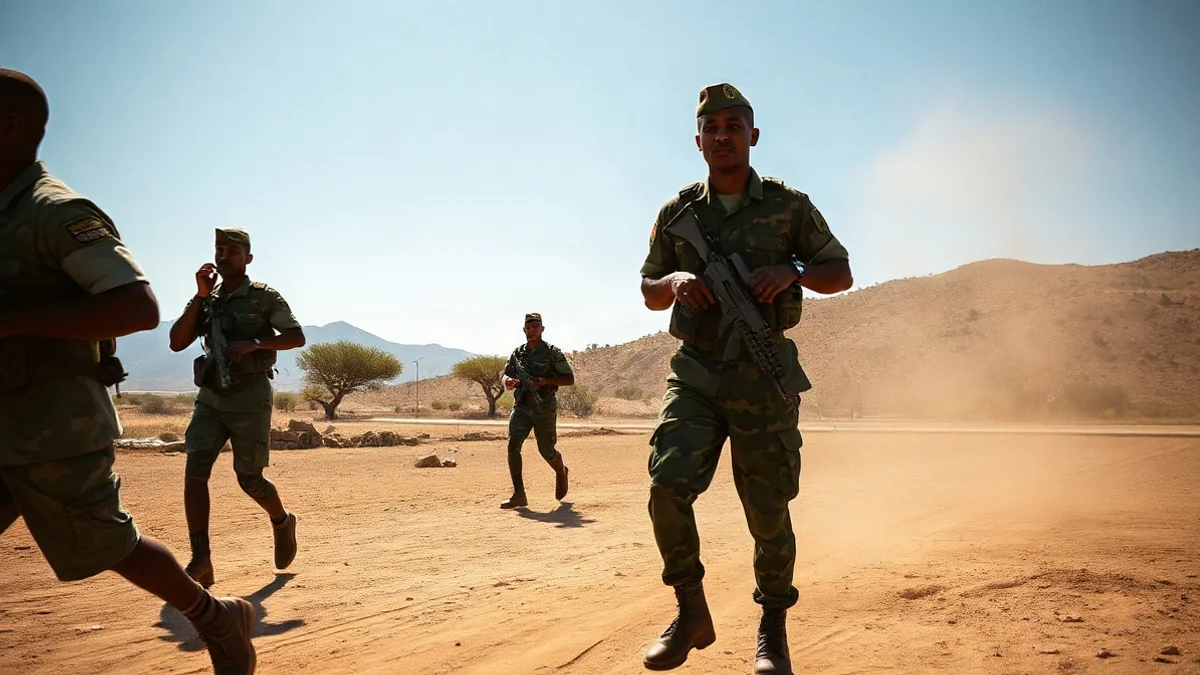
The cleanup operation was spearheaded by engineers from the 2nd Alpine Engineering Regiment of the Julia Alpine Brigade. During the final week of operations in the Primiero area alone, specialists neutralized 55 items of ammunition, including Italian-made artillery shells and French-manufactured munitions used by the Italian forces.
Safety Warnings for Hikers
Executing these operations required specialized mountaineering skills to navigate treacherous, steep terrain, prompting authorities to temporarily close a popular hiking trail until the clearance was complete. Military officials note that the operational window is strictly limited to late summer and early autumn before heavy snowfall returns.
Local authorities attribute the accelerated melting to low winter snowfall and intense summer heatwaves. Alongside ongoing clearance efforts, safety campaigns urge hikers and mountain workers not to touch or move suspicious objects resembling historic munitions, emphasizing that more than a century in the elements has not reduced their explosive danger.