Baykar Tests Bayraktar TB2 Drone as Flying Mothership for FPV Drones
Turkish defense firm Baykar tested its Bayraktar TB2 drone as a flying mothership, successfully launching Skydagger suicide drones and extending strike ranges to thousands of kilometers using airborne relay links.
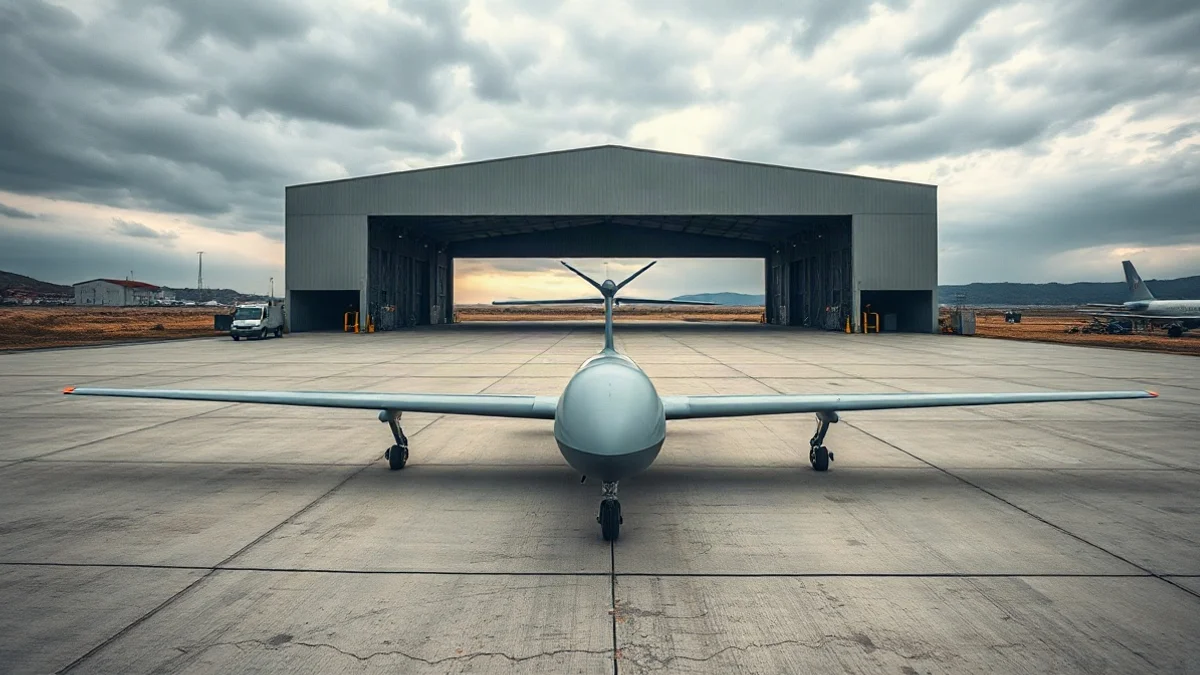
Turkish defense company Baykar has announced a major operational breakthrough, successfully converting its flagship Bayraktar TB2 drone into a flying mothership for loitering munitions. During a recent test at the Kesan flight training and testing center in northwestern Turkey, a TB2 carrying 16 Skydagger suicide drones under its wings successfully launched two of the unmanned systems during flight, striking and destroying their targets with high precision.
Small FPV drones have become a central element in modern warfare, but their communication range is typically limited to 15 to 20 kilometers from a ground-based operator. In the new integrated system, the TB2 drone not only carries up to sixteen small munitions—eight under each wing—but also acts as an airborne communication relay. Through the drone's data link, ground operators can navigate the loitering munitions far beyond standard limits, extending their strike range from a mere 15 kilometers to hundreds or even thousands of kilometers.
Battlefield Doctrine and Ukraine Lessons
This development stems directly from combat lessons learned in Ukraine. While TB2 drones initially gained prominence by targeting Russian military convoys, the subsequent strengthening of Russian air defense systems made the slow, medium-altitude aircraft increasingly vulnerable near the frontline. The mothership concept allows the larger aircraft to remain at a safe distance outside the danger zone, while cheaper, expendable drones penetrate enemy defense lines.
Baykar released footage of the test showing two drones diving into targets and detonating, though the company did not disclose operational details regarding the remaining 14 munitions, flight endurance after release, or the exact number of drones that can be controlled simultaneously. Company officials emphasize that this technological adaptation marks a significant evolution in unmanned aerial warfare, offering a new operational model for future military conflicts.