Water Authority Spends 5 Million Shekels on Controversial Sea Algae Experiment
The Water Authority spent 5 million shekels on a controversial marine chemical experiment to combat algae blooms that paralyzed desalination plants, raising severe ecological concerns.
Water Authority Spends 5 Million Shekels on Controversial Algae Experiment
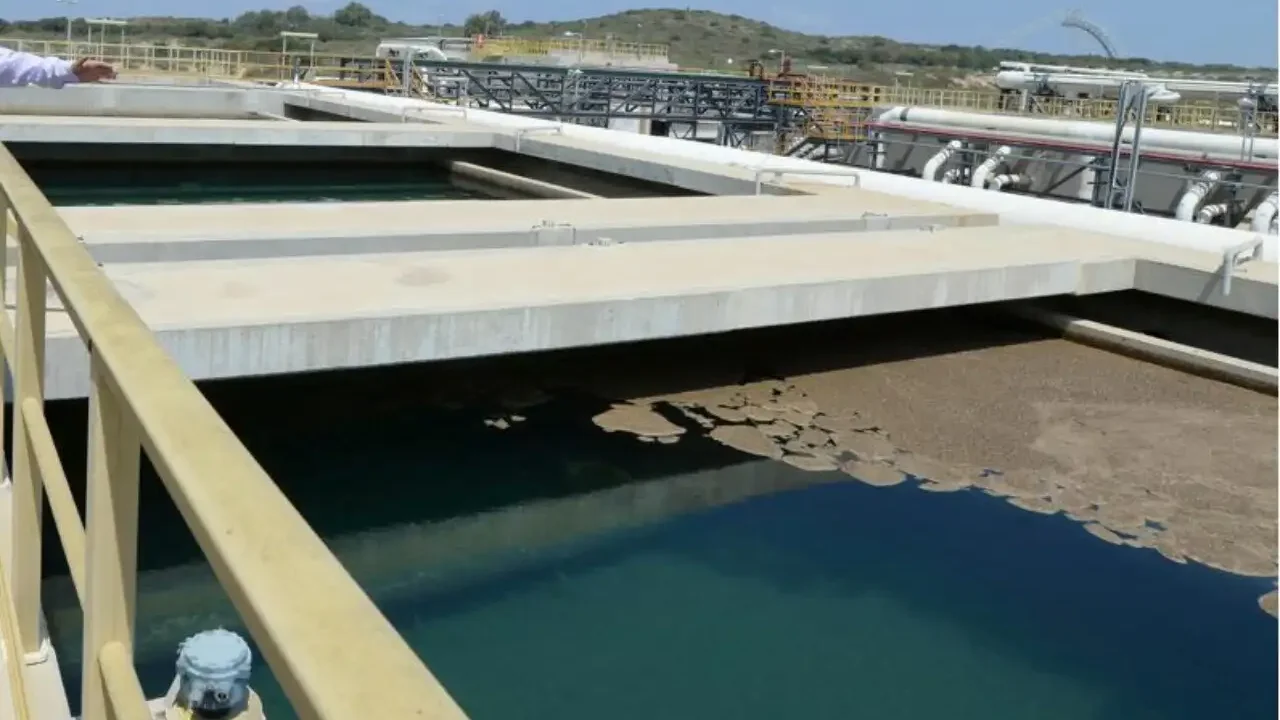
The Water Authority paid 5 million shekels for a controversial experiment dispersing chemicals in the open sea to eradicate algae that paralyzed desalination plants. This emerged from the Water Authority's third-quarter 2026 procurement report published on the government website.
The Water Authority failed to notify the public in advance, prompting the Ministry of Health to ban fishing in the following days pending a comprehensive review of toxic chemical impacts on local marine life. Starting in August, five of the six desalination plants supplying 80% of water operated partially due to abnormal turbidity from microalgae blooms.
Ecological Risks and Toxic Chemicals
The experiment was conducted by BlueGreen, receiving 5 million shekels. According to the Ministry of Environmental Protection permit, 40 tons of copper sulfate and 30 tons of aluminum sulfate were dumped into the sea.
"The addition of copper could harm the delicate ecological balance, as copper is toxic to zooplankton populations that eat algae and serve as a primary food source for fish," warned Dr. Tsvi Steiner from the Hebrew University.
Climate Change and Future Water Security
Authorities claimed the algae bloom was a surprise despite climate change increasing water temperatures globally. The Water Authority stated the project was evaluated by professional teams, but conclusive results led to the termination of further activities.