Wall Street Chip Stocks Plunge Amid Democratic Sweep and Regulatory Fears
Semiconductor stocks face their worst week since April 2025 as a Democratic sweep in Congress and regulatory pressure spark a major sell-off on Wall Street. While experts like Dan Ives warn of further declines, others see a buying opportunity.
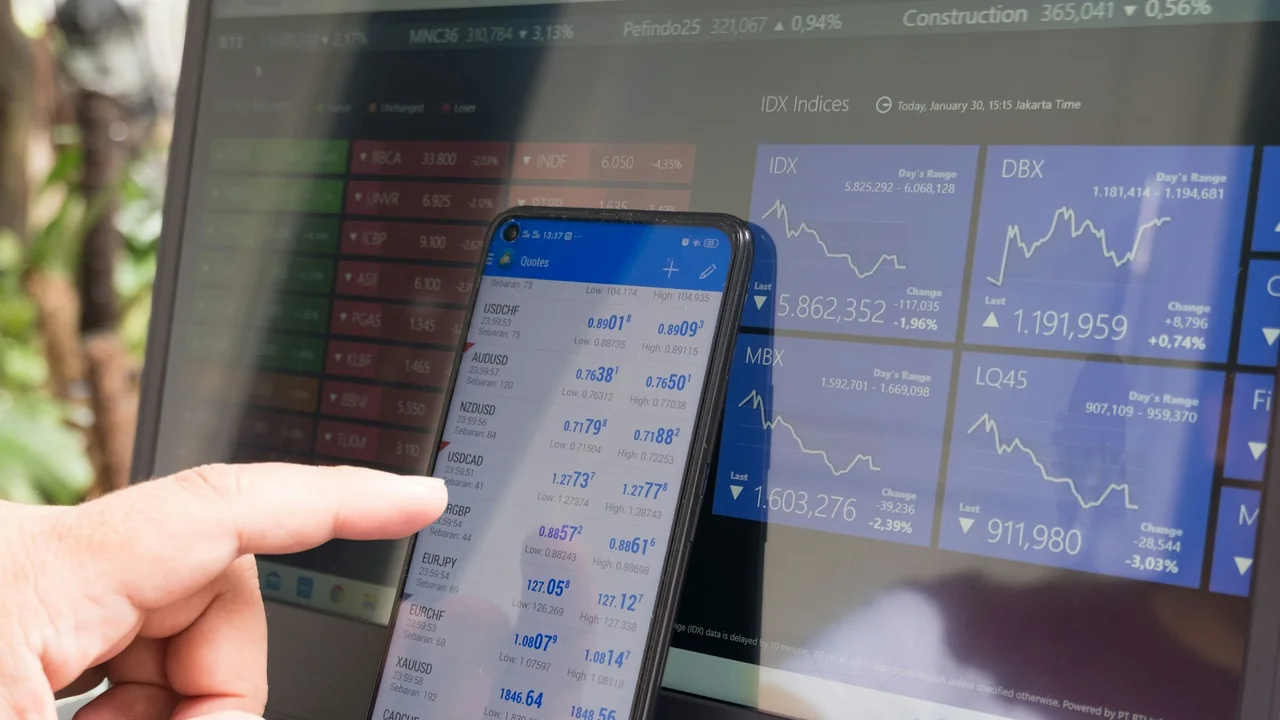
Wall Street is experiencing a massive rotation away from semiconductor stocks following the Democrats' victory in both houses of Congress. The Philadelphia Semiconductor Index (SOX) dropped 3% and plummeted 9%, setting chip stocks on track for their worst week since the tariff turmoil in April 2025. Adding to the pressure, Qualcomm's disappointing outlook for the next quarter and regulatory concerns driven by lawmakers like Senator Bernie Sanders and Representative Alexandria Ocasio-Cortez—who have pushed for a freeze on new AI data centers—have rattled investors. Meanwhile, the SMH ETF broke below the $520 level, which Bank of America's Michael Hartnett identified as a crucial threshold for chip bulls.
Chris Murphy from Susquehanna International Group noted that the rotation reflects growing concerns over the pace of AI investments and their funding sources, compounded by potential regulatory tightening under the Democratic majority. Despite strong corporate earnings and significant prior valuation corrections, Murphy believes the Democratic victory will not completely derail AI infrastructure development. He pointed out that the president retains veto power over legislation, and data centers continue to generate local jobs and tax revenues.
Market experts remain sharply divided over the sector's trajectory. Dan Ives, a partner at Yorkville Ives and a prominent technology bull, told Bloomberg that investors are facing a trial period for the tech trade. Following a roughly 30% drop from peak levels, Ives warns that chip stocks could face an additional 10% to 12% decline before offering an attractive entry point. He anticipates turbulence in memory chip companies, Intel, advertising, and software, though he maintains that capital expenditures by cloud giants and AI deployments by Palantir Technologies will ultimately validate the sector's fundamentals.
Conversely, Tom Lee, co-founder and head of research at Fundstrat Global Advisors, dismissed the sell-off as an instinctive knee-jerk reaction during a CNBC interview, declaring that the AI trade remains fully active. Lee argues that soaring computing demands will make processing power a scarce resource again, with nations competing fiercely for data center investments. He expects hedge funds to return to technology near year-end, potentially lifting the sector by 20% from current levels. UBS Wealth Management CIO Ulrike Hoffmann-Burchardi also urged calm, advising investors to maintain diversified equity portfolios supported by robust corporate earnings and resilient economic growth.
Fundstrat Global Advisors also highlighted that global demand for server farms and AI infrastructure continues to outpace manufacturing capacity. Analysts noted that previous fears regarding export restrictions on advanced Nvidia chips to Chinese clients failed to materialize into real business damage, as overarching market demand vastly exceeded production limits.