US Midterms Test Jewish Support for Democrats Amid Progressive Gains
The US midterm elections dealt a blow to President Donald Trump as Republicans lost Congress, while testing the traditional alignment between Jewish voters and Democrats amid rising progressive influence and sharp debates over policy on Israel.
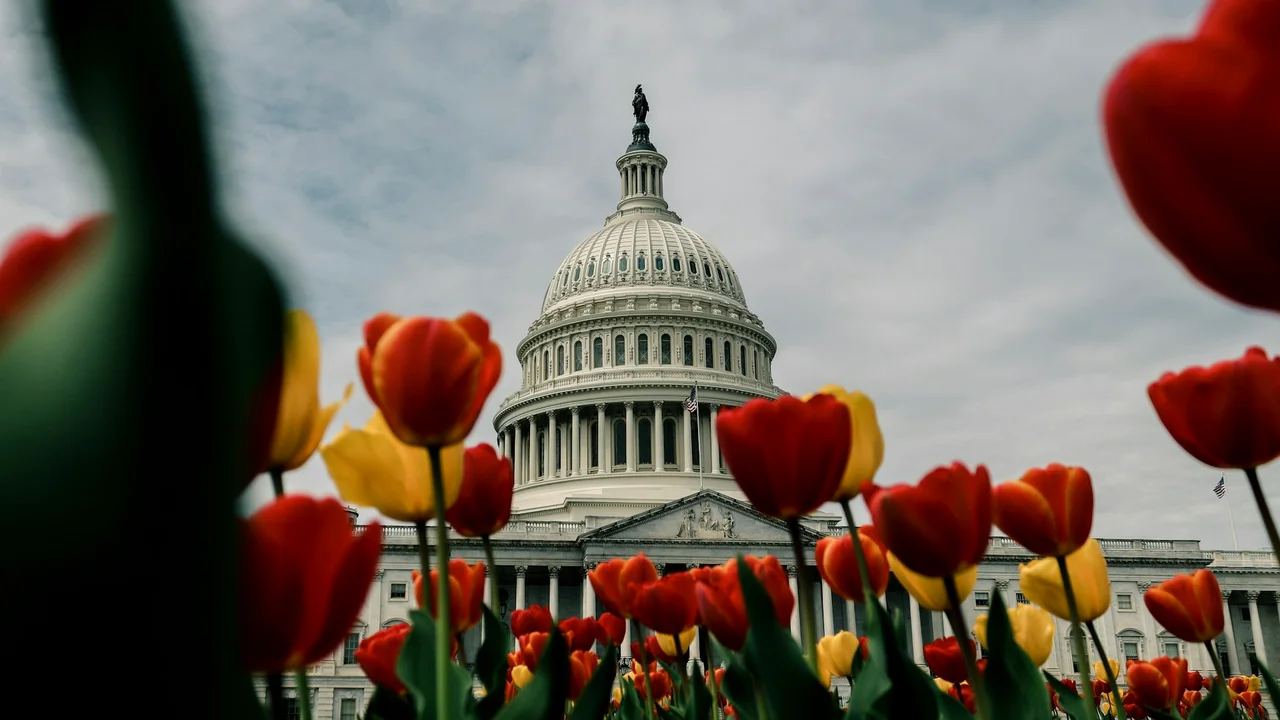
The recent US midterm elections have reshaped the political landscape, dealing a significant blow to President Donald Trump as Republicans lost control of both the House of Representatives and the Senate. The elections also served as a critical test for the decades-old alliance between American Jewish voters and the Democratic Party. According to a Siena poll, only 61% of Jewish voters in New York favored a Democratic majority in Congress, down from 76% in 2018, while support for Republican control rose from 23% to 30%. At the same time, the progressive wing made notable gains, with dozens of new candidates entering Congress, though their stances on Israel varied significantly.
Key Races and Israel Focus
The tensions surrounding U.S. policy toward Israel manifested sharply across several state and federal races. In Georgia, Democratic Senator Jon Ossoff secured a second term against Republican challenger Mike Collins. Ossoff, previously viewed as a staunch ally of Israel, drew criticism from parts of the Jewish community after voting to block certain arms sales to Israel. Collins presented himself as an unconditional supporter of Israel, though his campaign faced controversy regarding staff associations. In Maine, veteran Republican Senator Susan Collins fended off a challenge from Democrat Troy Jackson, navigating the delicate political dynamics shaped by debates over military aid and regional policy.
Progressive Gains and Local Ballots
In Michigan, Abdul El-Sayed made history by becoming the first Muslim elected to the Senate, while progressive candidate Donovan McKinney secured a House seat representing Detroit on a platform critical of military aid to Israel. Similar dynamics played out in local referendums across states like Illinois and Rhode Island, where voters weighed in on municipal investments and policies related to the boycott of Israel. Meanwhile, in California, high-profile races in Los Angeles and San Francisco highlighted the ongoing internal debates within the Democratic Party regarding foreign policy and progressive priorities, setting the stage for renewed legislative battles in Washington.