Progressive and Anti-Israel Candidates Make Significant Gains in U.S. Congress
Progressive and anti-Israel candidates backed by New York City Mayor Zohran Mamdani and the DSA secured key victories in the U.S. House and Senate, reflecting a profound shift within the Democratic Party regarding military aid to Israel.
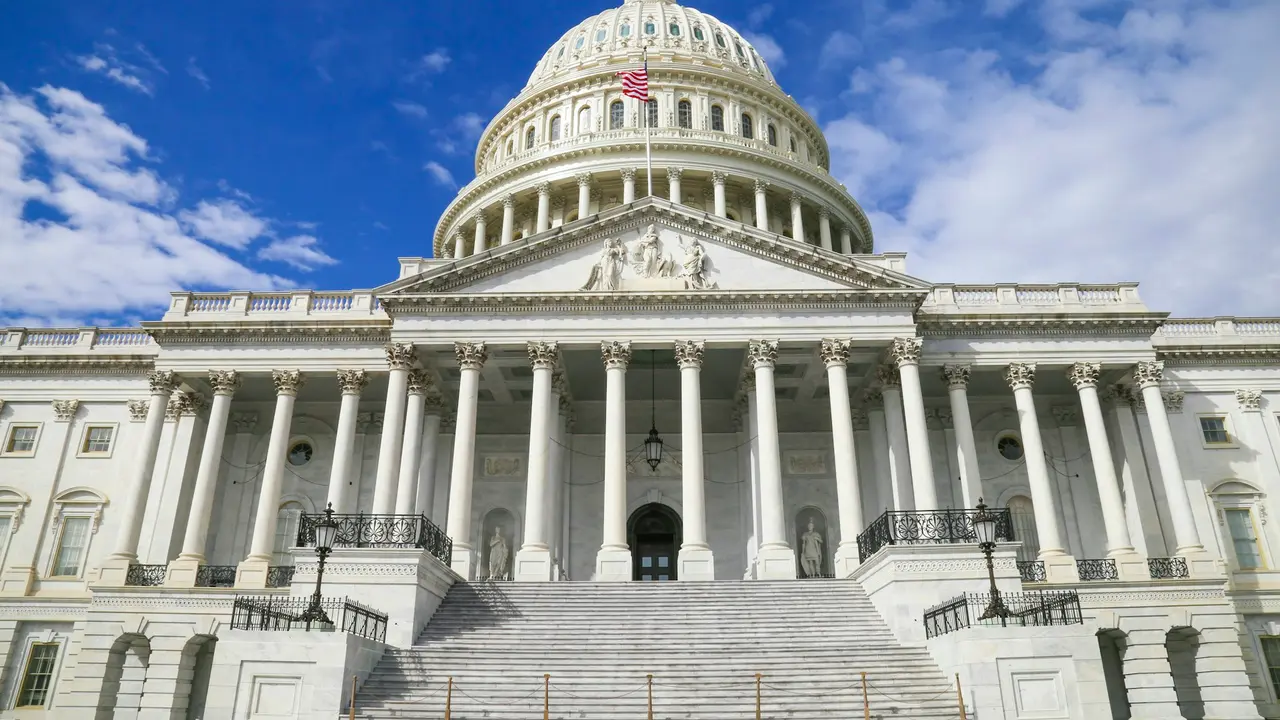
The Democratic Party has seen a significant strengthening of progressive and anti-Israel figures on Capitol Hill following the latest election cycle. Several candidates endorsed by New York City Mayor Zohran Mamdani—including Claire Valdez, Darielys Avila Chevalier, and Brad Lander—secured victories in solidly democratic districts.
Lander and Avila Chevalier won primary races against established pro-Israel incumbents Dan Goldman and Adriano Espaillat, while Valdez replaces retiring Representative Nydia Velázquez. These newly elected officials support halting military assistance to Israel, though their specific stances regarding Zionism and the conditions for future aid vary.
Avila Chevalier, an anti-Zionist activist who participated in protests at Columbia University, faced heavy criticism over her presence at a Times Square rally on October 8, 2023. While defending her participation, she stated she feared a disproportionate Israeli response. Valdez, a member of the Democratic Socialists of America (DSA), has explicitly called for an end to all weapons sales and military aid to Israel, rejecting any distinction between offensive armaments and defensive funding for the Iron Dome.
Lander, a former New York City Comptroller who identifies as a liberal Zionist, made U.S. aid to Israel a central campaign issue. He stated he would oppose military funding under current conditions due to human rights concerns. In October, Lander was briefly detained by security forces during an olive harvest in the West Bank village of Nahalin, an event the Israeli Foreign Ministry labeled a calculated political provocation.
The progressive shift extends beyond New York. In New Jersey, Adam Hamawy, a surgeon and U.S. military veteran who volunteered in Gaza, won election on a platform calling for an arms embargo against Israel. In Michigan, Donovan McKinney defeated a pro-Israel incumbent to secure a congressional seat with a platform pledging to halt military assistance to Israel.
In Philadelphia, Chris Rabb, a DSA member endorsed by Representative Alexandria Ocasio-Cortez, centered his campaign on criticism of Israel and AIPAC. In Denver, Mayra Flores won her race after defeating a veteran incumbent, joining a growing progressive bloc that challenges traditional bipartisan support for Israel in Washington.
Similar trends are evident in the U.S. Senate. In Maine, Democrat Troy Jackson defeated long-serving Republican Senator Susan Collins, utilizing sharp rhetoric critical of Israeli leadership. In Minnesota, Lieutenant Governor Peggy Flanagan defeated a pro-Israel opponent in her primary before winning election. In Texas, Democrat James Talarico made history by winning a Senate seat, calling for conditions on military aid while continuing to support basic regional defense systems.
In Michigan's closely watched Senate race, Democrat Abdul El-Sayed defeated Republican Mike Rogers to become the first Muslim U.S. Senator in American history. El-Sayed has been an outspoken critic of Israeli policies, labeling government actions in Gaza as genocide and calling for a reassessment of bilateral ties.
Despite these shifts within the progressive wing, the broader American Jewish electorate remains largely aligned with the Democratic Party. Exit polls from NBC indicate that approximately 67 percent of Jewish voters supported Democratic candidates for the House of Representatives, reflecting historical voting patterns.